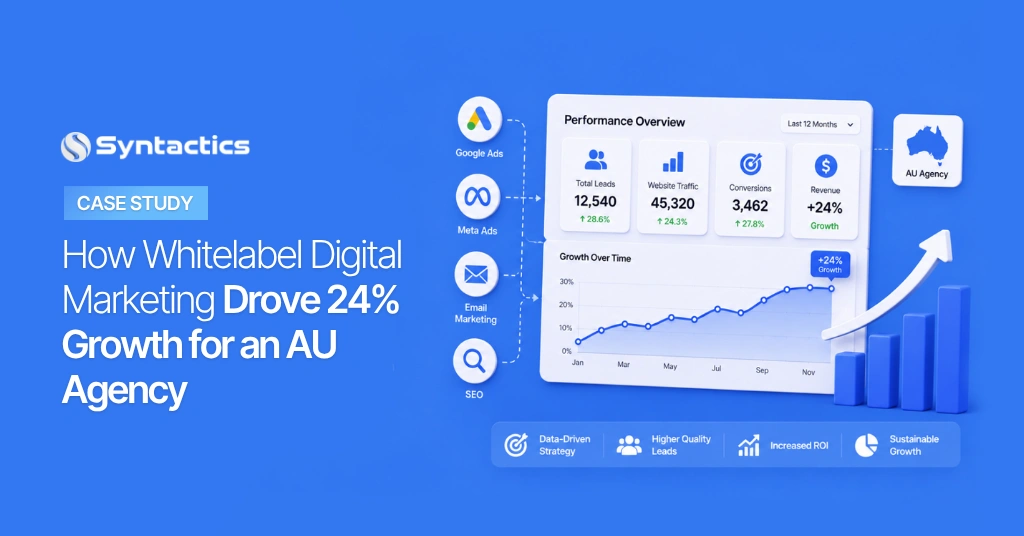
A whitelabel digital marketing partnership turned steady work into strong results. In just one month, an Australian comparison service saw conversions jump by 24%. The click-through rate more than doubled, going from 4.19% to 9.14%, and organic visibility reached 94.38%.
These results were achieved through a mix of technical SEO, content, and paid media efforts. The agency manages lead-generation campaigns for a comparison and switching service that covers electricity, gas, broadband, and health insurance.
This case study covers the challenges, the strategy, and the results over one month.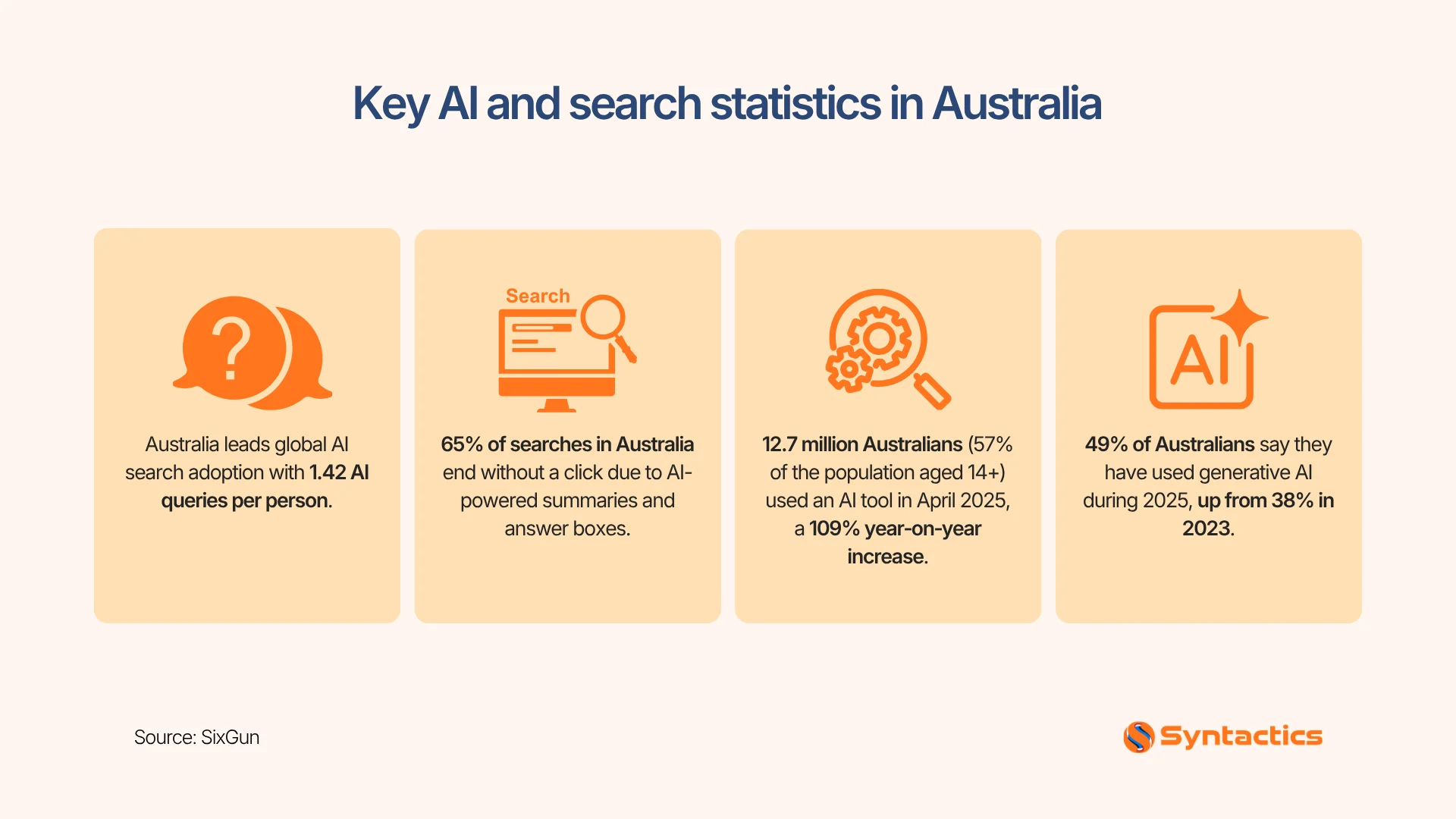
Source: SixGun.
Key Takeaways
- Google Ads conversions rose 24%, from 7,900 to 10,085, while cost grew only 22%.
- Click-through rate on paid campaigns more than doubled, from 4.19% to 9.14%.
- Organic website visibility reached 94.38%, a large jump versus the prior period.
- Five targeted keywords reached Google Australia’s top 10 results within the month.
- Total website sessions grew 175%, and new users grew 185% period over period.
- New backlinks increased 29%, supporting the site’s broader authority-building push.
About the Client
The client is an Australian digital marketing agency that runs lead-generation campaigns for a free comparison and switching service. This service helps Australians compare electricity, gas, broadband, and health insurance providers. The agency earns a commission when someone switches through its comparison, not directly from the customer.
Additionally, its performance depends on ranking for high-intent “compare” and “switch” terms across multiple retailers. It depends on converting that traffic into calls, forms, and sign-ups. Both organic visibility and paid search performance directly affected the agency’s reported results.
The Challenges
Before the current reporting period, the account faced several common challenges. These issues are typical for comparison services in busy, competitive markets:
- Site health sat at 73%, indicating unresolved technical issues that limit crawlability and indexing.
- Search visibility had room to grow. The site was under-ranking against its keyword targets across electricity, gas, broadband, and health insurance terms.
- Paid search efficiency was inconsistent. Click-through rate sat at 4.19% in the prior period despite meaningful ad spend.
- High keyword competition meant the site competed directly with major national retailers and insurers for the same search terms.
- Search Lost Impression Share by rank averaged above 56%. More than half of potential ad impressions were missed due to low ad rank.

The Opportunities
The audit and campaign data showed several clear opportunities for growth:
- High-volume comparison keywords with real commercial intent were reachable with the right on-page and technical work. These spanned electricity, gas, broadband, and health fund comparisons.
- Mobile-dominant traffic (26,664 of 27,774 total ad clicks) showed where creative and landing page fixes would matter most.
- Underused backlink potential existed, with room to grow referring domains and citation flow. This could support rankings stalled just outside page one.
- Call tracking and conversion data showed phone conversions were a meaningful, growing channel. This was worth optimizing alongside form-based conversions.
- Organic and paid channels could work together. Organic search already drove a strong share of engaged sessions, so SEO gains could compound with paid media gains.
The Solutions
The strategy combined technical SEO fixes, content and schema improvements, and ongoing paid search optimization:
- Technical SEO remediation lifted site health by addressing crawl and indexation issues that were capping organic visibility.
- Keyword-mapped content and page optimization targeted high-intent comparison terms across electricity, gas, broadband, and health insurance categories. Page titles, meta descriptions, and on-page copy were aligned with how people actually search.
- Structured content built for extractability included direct-answer openings and FAQ-style sections. These were designed to perform well in traditional rankings and in AI-generated search summaries.
- High-quality backlink acquisition grew new referring links to support keyword rankings and overall domain authority.
- Google Ads campaign restructuring refined ad copy, keyword match types, and device bidding. This corrected the high Search Lost Impression Share and improved Quality Score signals.
- Call tracking integration ensured phone conversions were captured and attributed correctly alongside web form conversions.
- Ongoing rank tracking and reporting monitored keyword position changes weekly. This caught ranking volatility early so content or technical fixes could follow fast.
The Results
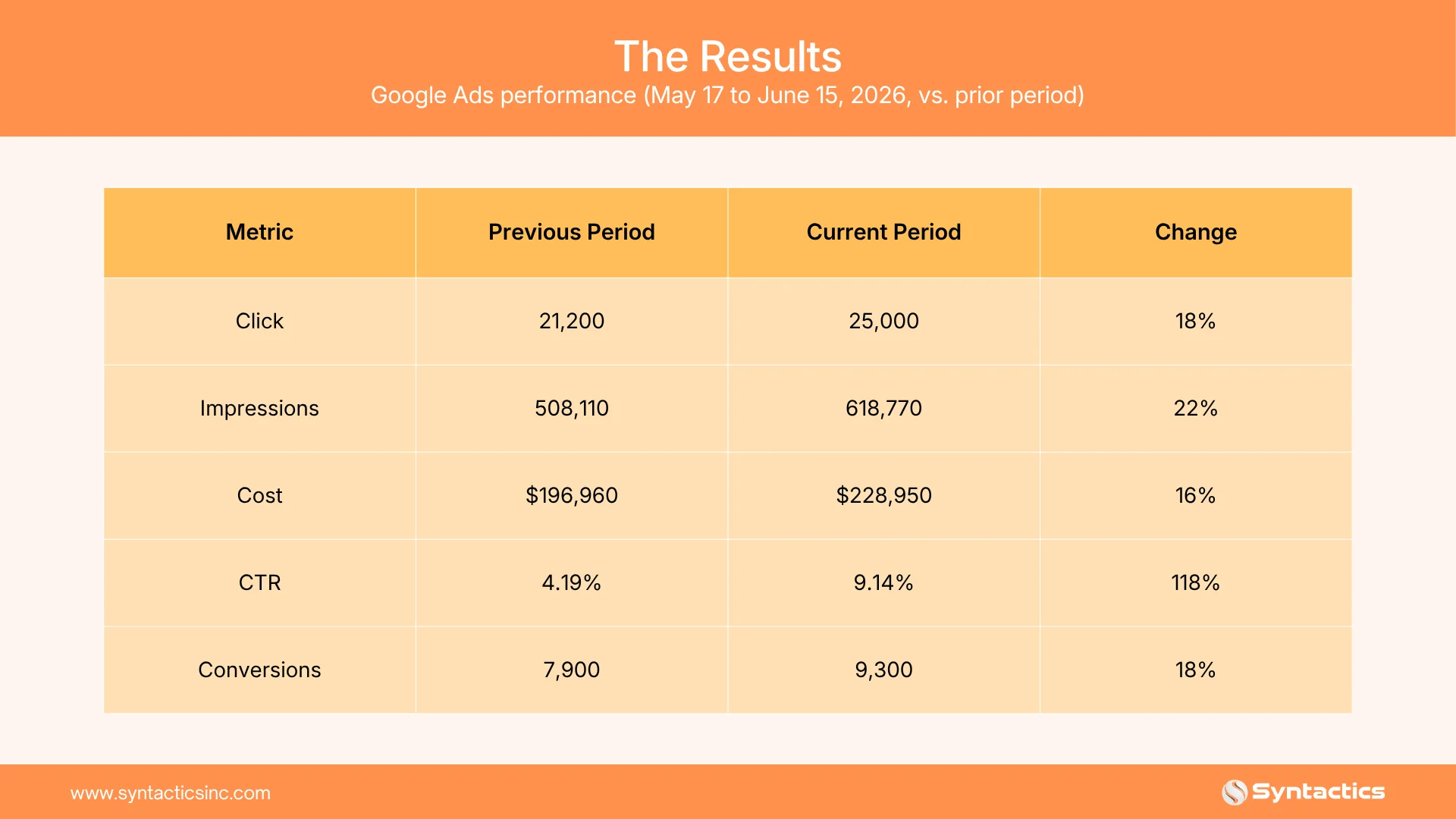
Google Ads performance (May 17 to June 15, 2026, vs. prior period):
Site-wide performance (June 2026):
- Total website users reached 10,591, generating 15,489 page views for the month.
- Organic search delivered 2,059 users, 2,242 sessions, and 3,010 page views over 30 days.
- Direct traffic ranked as the fourth-largest channel, with 902 users and 904 sessions.
- Site health improved to 73%, and organic visibility reached 94.38%, a substantial jump.
- Five targeted keywords reached Google Australia’s top 10 search results.
- GA4 recorded 11,317 total sessions (+175%) and 10,612 total users (+182%) for the month.
- Key conversion events reached 4,105, up 240% versus the prior period.
- New backlinks grew 29%, bringing total tracked backlinks to 18, with citation flow at 35%.
Paid and organic channels worked together to improve results. Better technical SEO and content increased organic sessions and keyword rankings. At the same time, a more efficient Google Ads account brought in more high-intent search traffic at a lower cost.
Conclusion
This case study demonstrates the benefits of aligning SEO, content, and paid search under a single plan rather than treating them separately. The agency began by addressing key site health issues for its comparison-service client. They created content that directly answered real comparison questions and improved Google Ads efficiency.
As a result, these steps led to strong gains in organic visibility and paid conversions in just one month.
This approach can work for any agency managing comparison, switching, or marketplace clients. Start by fixing technical issues. Then, create content that answers the questions people are searching for. Use data from both paid and organic channels to guide ongoing improvements.
Results like these come from a white-label partnership with Syntactics, Inc., a digital marketing agency in the Philippines. Agencies can expand their SEO and Google Ads capacity without building an in-house team. The partnership stays behind the scenes, so client relationships and branding remain fully with the agency.
Elevate Your Brand In the Digital Landscape!
- SEO: Boost your rankings and drive organic traffic.
- Content Marketing: Engage your audience with content that converts.
- Social Media Management: Build your brand and connect with the right people.
- Paid Ads: Maximize ROI with data-driven advertising campaigns.
Frequently Asked Questions
What is an integrated SEO and Google Ads strategy?
It aligns technical SEO, content, and paid search around the same target keywords and audience intent. Organic rankings and paid ad performance then reinforce each other instead of competing.
How much did Google Ads conversions improve in this case study?
Conversions grew 18% period-over-period, from 7,900 to 9,300. Cost increased only 16%, showing the account became more efficient rather than simply spending more.
Why did click-through rate more than double?
CTR rose from 4.19% to 9.14% after ad copy refinement and better keyword-to-ad alignment. Improvements to Search Lost Impression Share also helped ads appear more often for relevant searches.
What technical SEO issues typically limit comparison service websites?
Common issues include poor site health, thin or duplicate comparison pages, and missing structured data markup. Weak backlink authority relative to keyword competition is also common.
Can SEO and paid search results really compound each other?
Yes. Organic content improvements can lower cost-per-click over time by improving Quality Score. Paid search data on which keywords convert can also guide which organic content to prioritize next.
Passionate about turning strategies into success stories, Jalou Batilong leads the Online Marketing Division at Syntactics, Inc. With over 12 years of experience in digital marketing, she shares expert insights on SEO, content strategy, and online trends that elevate businesses in the digital space.