


AI Crawlers and Their Impact on SEO and Marketing Strategy
AI crawlers no longer just scan your website for keywords. They also interpret context, intent, and audience engagement to gauge your brand’s authority. Here’s what your business should know.
Search engines have evolved from simple indexing tools into intelligent systems powered by artificial intelligence. In fact, today’s AI crawlers go beyond scanning keywords, they analyze context, intent, sentiment, and engagement to evaluate a brand’s digital authority.
For businesses, AI-driven crawlers now assess not just what content says but how it performs across different channels, devices, and audiences. In 2025, 78% of marketing leaders report using AI-powered analytics to enhance their SEO and content strategies.
As such, this current evolution indicates that your website is no longer just indexed, but also interpreted, which shapes how you plan and refine your online strategies.
Key Takeaways
- Solution-focused and question-based searches appeared most frequently in AI Overviews, occurring in approximately 74% and 69% of those queries, respectively. (Search Engine Land)
- AI crawlers use machine learning to interpret meaning, not just keywords, improving how content is ranked and retrieved.
- These systems affect SEO, copyright protection, data privacy, and revenue models.
- Businesses can manage or optimize AI bot crawler access through metadata, structured content, and access controls.
- The rise of crawling AI represents a new phase of search intent modeling that changes how audiences discover brands and information.
TABLE OF CONTENTS
Search Intent Trends Behind AI Crawlers
Modern AI crawlers are trained to detect various intent types to help search engines respond with more accurate and personalized results. That said, understanding search intent allows you to generate content that resonates with audiences and AI crawl systems:
1. Informational Searches
These users want to learn something new. So, queries such as “what is machine learning” or “how do backlinks work” fall into this category. As such, crawling AI favors detailed, educational content that demonstrates authority, such as guides, explainer blogs, or infographics.
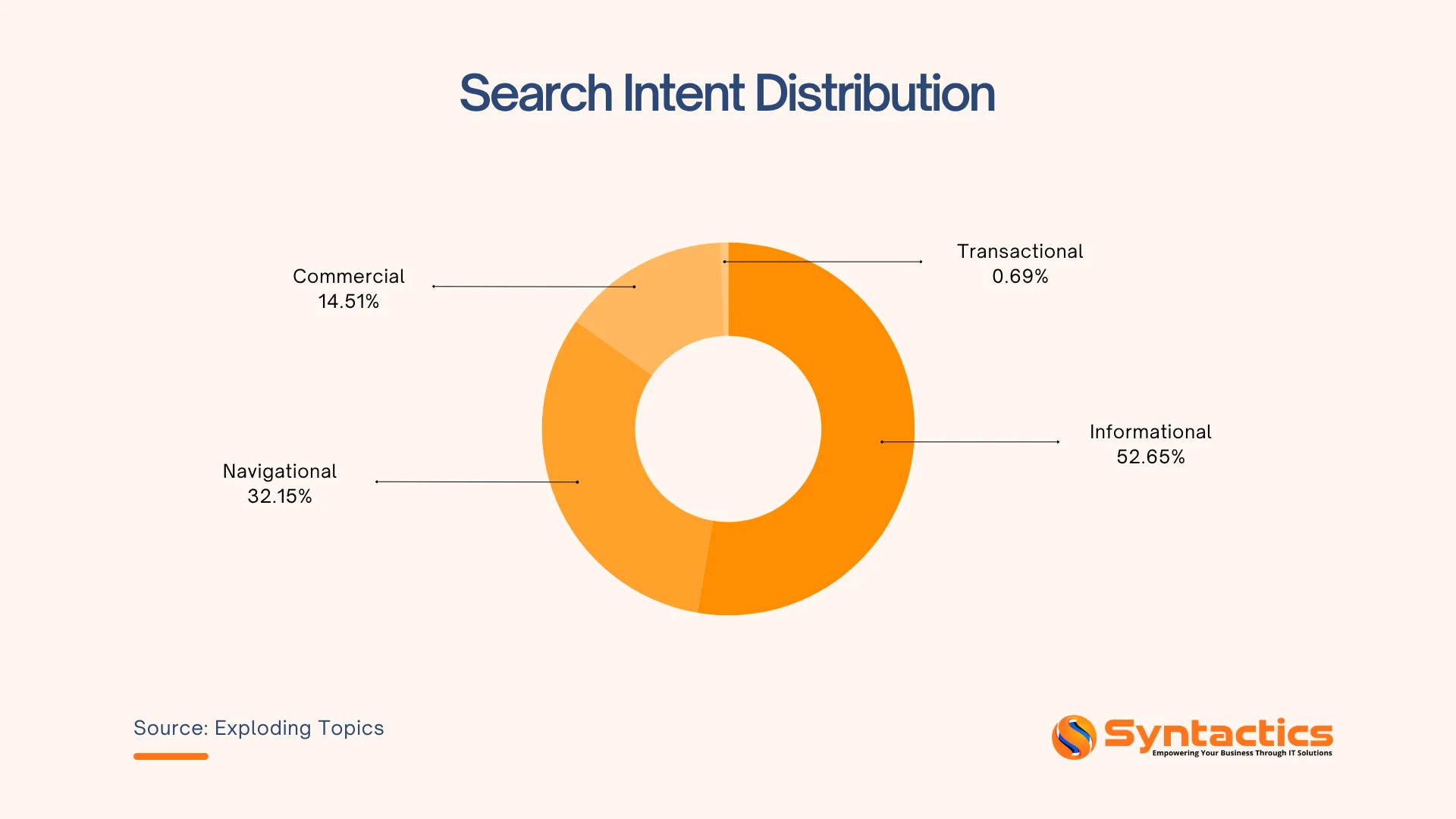
Source: Exploding Topics.
2. Problem-Solving Searches
Users here seek practical solutions. Examples include “how to reduce bounce rate” or “why my website is not indexing.” Search Engine Land reports that solution-based and question-focused searches most often produced AI Overviews, appearing in about 74% and 69% of queries.
Respectively, this shows how strongly search engines favor helpful, solution-driven content. For this intent, AI crawlers prioritize well-structured, actionable information that provides clear steps, expert advice, or real-world examples.
3. Commercial Searches
This intent focuses on comparing products or services. Searches such as “best web hosting for small businesses” indicate buying interest. According to Power Reviews, 77% of U.S. shoppers look for websites with ratings and reviews when comparing products.
AI crawlers tend to favor transparent content such as honest reviews, case studies, and real customer experiences. Thus, AI crawlers favor honest reviews, case studies, and comparisons that show transparency and real customer experiences.
4. Strategic Searches
These queries come from decision-makers exploring long-term investments, such as “outsourcing digital marketing” or “enterprise SEO tools.” So, the AI bot crawler will look for in-depth, research-backed content that shows thought leadership and strategic insight.
Business, SEO, and Marketing Impacts of AI Crawlers
AI crawlers help improve how information is accessed and presented, but they also raise challenges, such as:
SEO Visibility and Ranking Dynamics
Traditional SEO heavily relies on keyword usage, backlinks, and technical optimization. However, modern AI crawler algorithms now prioritize semantic understanding and content quality. They evaluate how well a page answers user intent, taking into account clarity, tone, and relevance.
As a result, websites that provide meaningful and contextually rich content are more likely to maintain visibility. Meanwhile, thin or repetitive content may become less competitive in search rankings.
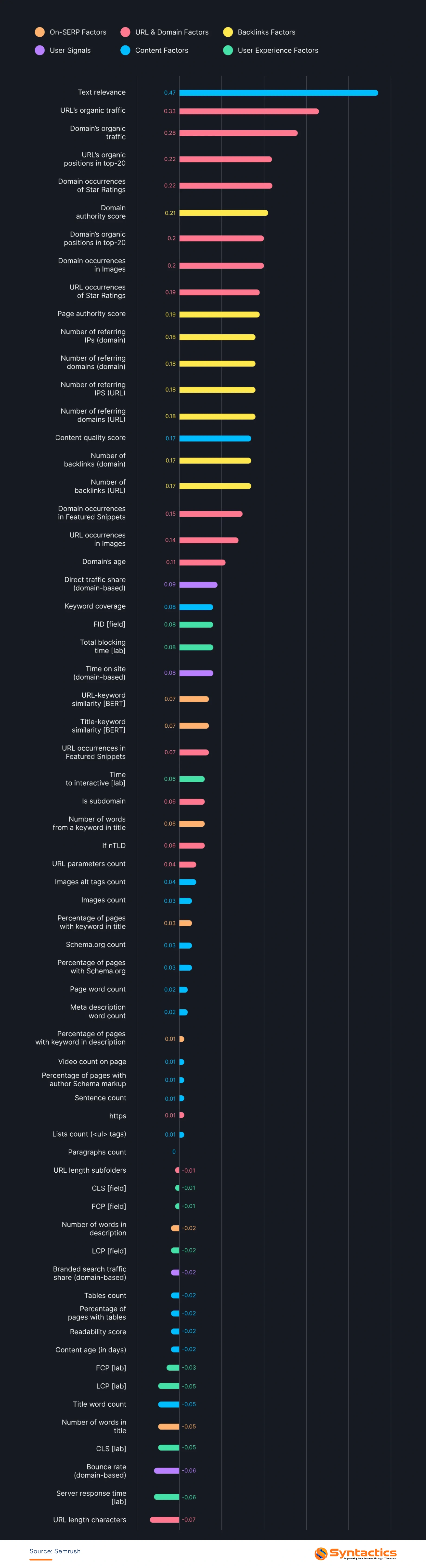
Source: Semrush.
Copyright and Data Privacy Concerns
Since AI bot crawlers collect large volumes of online data, copyright ownership and privacy have become major concerns. This is because some crawlers may extract or retain copyrighted material for model training, raising ethical and legal debates over data transparency.
Data privacy laws also add another layer of complexity, so businesses need to navigate how their publicly available content is accessed and utilized.
Revenue and Monetization Models
AI-powered search tools that generate summaries or direct answers are influencing how users interact with content. This has led to a “zero-click” trend, where users get the information they need without visiting the original site. That said, this behavior can reduce website traffic, ad impressions, and lead opportunities. For content-driven industries, this shift alters how online visibility translates into measurable business outcomes and revenue streams.
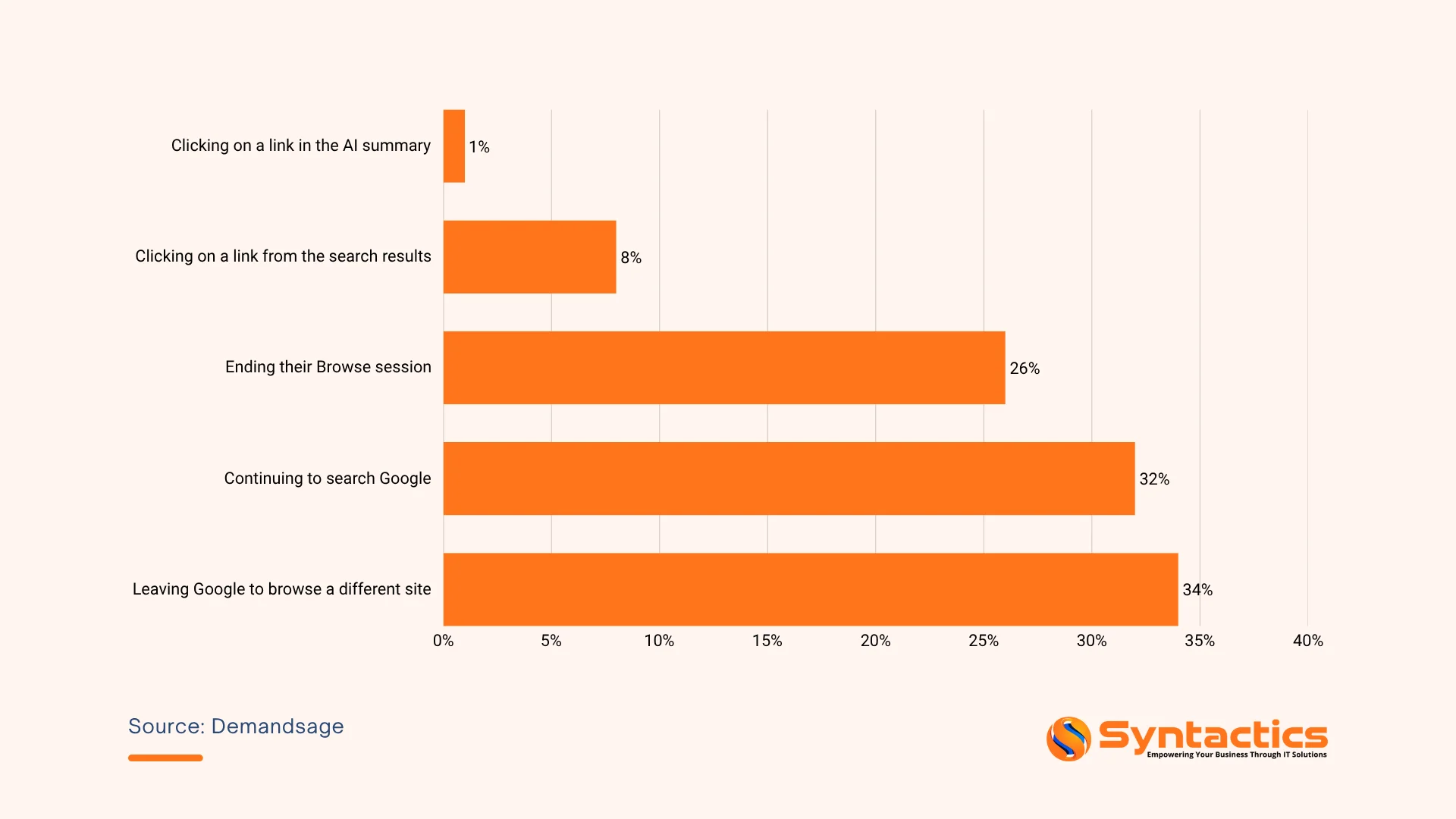
Source: Demandsage
Infrastructure and Performance Strain
Frequent and large-scale crawling can place additional load on servers and bandwidth. In some cases, AI crawlers don’t strictly adhere to standard crawling protocols, which may result in unpredictable spikes in site requests. This can also affect website performance and increase operational costs for hosting and maintenance.
Brand Control and Predictability
AI crawlers don’t always follow fixed schedules. Their adaptive nature means they may revisit or skip pages unpredictably, depending on algorithmic priorities or trending topics. This unpredictability can make it difficult to know what’s being indexed or how it’s interpreted. As a result, maintaining consistent brand messaging and visibility is more complex and less controllable.
How to Manage and Use AI Crawlers
Here are a few strategies on how you can manage AI crawler access that balances between visibility and protection:
Use Robots.txt and Meta Directives
Robots.txt remains a useful tool for guiding reputable crawlers, even though some AI systems may ignore it. Meta tags like “noindex” or “nofollow” also provide additional control so you can specify which pages shouldn’t appear in search results.
Apply Structured Data and Logical Hierarchies
Clear headings and schema markup make it easier for AI crawlers to understand page structure and relevance. This improves the chances of being featured in snippets or AI-generated summaries. Maintaining internal linking also helps crawlers navigate your website efficiently.
Track Crawler Activity Regularly
Analytics and server logs can identify active AI bot crawlers and reveal how frequently they visit. Platforms like Google Search Console and Cloudflare offer visibility into crawling behavior, so you can detect irregularities early.

Focus on Contextual Optimization
Modern SEO success depends on meaning rather than keywords alone. So, group content around themes, use consistent entities, and create supporting pages that strengthen topic authority. These practices allow crawling AI to understand how different pages connect, improving your site’s overall relevance.
Balance Accessibility and Data Protection
Some organizations are adopting a permission-based approach to better manage how AI crawlers access their content. In Cloudflare Just Changed How AI Crawlers Scrape, the company introduced a system that protects domains by default and allows owners to grant access only to approved crawlers. This framework ensures that AI bot crawler activity remains transparent, regulated, and consistent with a website’s data-sharing policies.
Similarly, controlled access through APIs lets crawlers retrieve only specific, authorized data without exposing sensitive information. This method helps preserve content integrity and attribution while preventing unnecessary strain on servers and reducing the risk of misuse.
Encourage Collaboration Across Teams
SEO professionals, developers, and marketing teams should align on policies for AI crawler access. This is because open communication ensures that site performance, content goals, and compliance requirements are balanced effectively.
Conclusion
AI crawlers are changing how search engines and audiences interact with online content. For businesses, this shift requires rethinking how visibility, authority, and data control work together. While AI-driven search brings exciting possibilities, it also demands careful attention to privacy, access, and site performance so your digital strategies remain sustainable and effective.
Working with the right experts can help you stay ahead of these changes. Syntactics, Inc. boosts search performance with SEO services in the Philippines, ensuring AI crawlers recognize your content while keeping your website fast, secure, and highly visible.

FAQs About AI Crawlers
What is an AI crawler?
An AI crawler is a program that uses artificial intelligence to scan and understand web content more thoroughly than traditional bots. It analyzes context, meaning, and relevance to improve how information is indexed and retrieved online.
Do AI crawlers affect site performance?
They can, especially if multiple crawlers visit your site frequently. Monitoring and applying rate limits helps maintain stability and reduce server strain.
How can businesses benefit from AI crawlers?
Your business can benefit from AI crawlers by optimizing your site structure and improving content quality to boost online presence and attract more targeted traffic. Managing crawler behavior also helps strengthen your overall digital strategy. Contact us today to discover how we can help your business grow!

About Jalou Batilong
Related News:


Types of Viral Video Content that Boost Engagement









Comment 0