


How Keywords and Entities Work Together to Boost Your SEO
You’ve probably come across a new term gaining traction in your SEO efforts—entities. Some people think that the two are the same thing; however, they are pretty different. Thus, understanding the differences between keywords and entities and how they work together is crucial as search engines like Google evolve to focus on context and meaning.

Source: Keyword
What are Keywords?
The words or phrases people type in their search queries are called keywords. They can be a phrase, a statement, or a question. For example, if you want to look for nearby restaurants that deliver food, you may use keywords such as “nearby restaurants,” “food delivery services,” and the like in your search queries.
In SEO, your keywords serve as a connection linking your website content to people’s search queries. They tell search engines what your page is about and help match it to relevant user queries. When you target the right keywords, your website becomes more discoverable, driving organic traffic and qualified leads.
The key lies in relevance and intent. The more your keywords align with what users are truly searching for and what your content delivers, the higher your chances of ranking well on Search Engine Results Pages (SERPs).

Source: Search Engine Journal Survey [PDF]
What are Entities?
Google defines an entity as a “thing or concept that is singular, unique, well-defined, and distinguishable.” Entities do not necessarily have to be physical; they can represent real-world objects or ideas, such as people, products, places, businesses, and abstract ideas.
Think of entities as the core topics search engines use to understand meaning and relationships. For example, when you search for “Amazon,” Google must determine whether you mean the rainforest or the e-commerce company. Entities help clarify that intent by linking related information across the web through Google’s Knowledge Graph.
In essence, keywords help describe your content, while entities help search engines understand it in context, enabling more accurate and relevant search results.

How Do Keywords and Entities Work Together?
Keywords and entities work hand in hand to help search engines understand what your content is about and why it’s relevant. Keywords reflect your audience’s language, while entities provide the deeper context behind those terms.
When you conduct keyword research and create keyword-rich content, you allow search engines to help locate and link your web content to similar entities. Thus, it only makes sense to consider both your keywords and entities when improving and optimizing your SEO strategy.
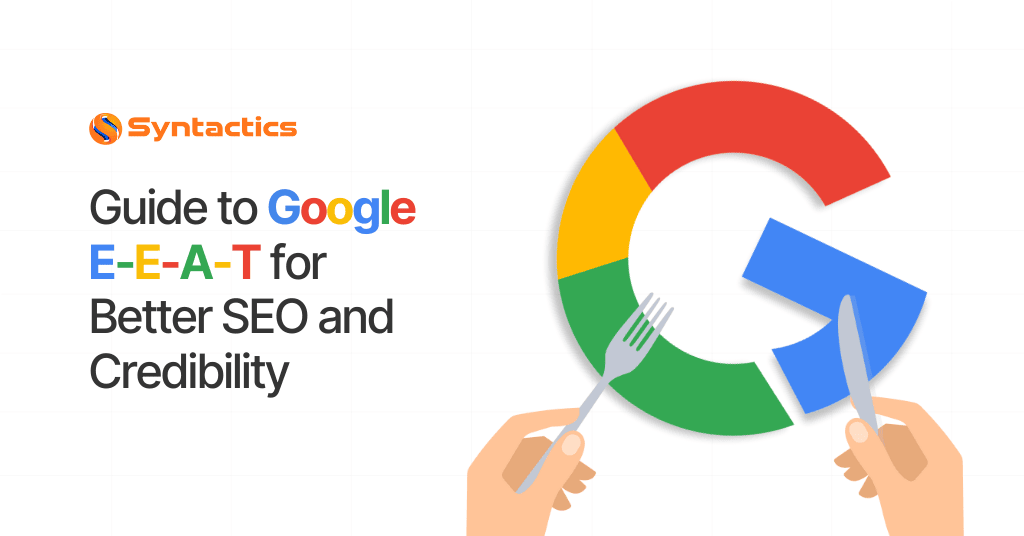
Therefore, create an internal knowledge graph for your business entities using the keywords that link to various pages on your website. You can also use high “Experience, Expertise, Authoritativeness, and Trustworthiness” (E-E-A-T) knowledge graphs like LinkedIn or Wikipedia for this.
Just note that doing this may not necessarily improve your ranking on SERPs, but it can improve your page authority in search results.
How Entities Affect SEO
Entities have transformed how search engines understand and rank content. Instead of focusing solely on keyword matches, Google now prioritizes context, relationships, and meaning through entities.
Check out these three ways how entities can affect your SEO efforts:
Improved Context and Mobile Competencies
Entities help search engines better understand relationships between topics, improving visibility for conversational and voice-based queries. As more users browse on smartphones, it’s crucial to understand the benefits of having a mobile version of your website. That said, optimizing for mobile-first indexing ensures your entity-rich content performs well across all devices.
Do Away with Your Thesaurus or Translator
Knowledge graphs allow Google to understand synonyms, translations, and related terms automatically. This means you no longer need to make use of the same keyword. With entities, your content remains relevant across different languages and search contexts.
Rich Snippets and Structured Data
Entities power rich snippets, which display enhanced search features like reviews, FAQs, and product information. By adding structured data to your website, you help search engines recognize and categorize your entities. This boosts your chances of earning these eye-catching SERP features.
Optimize SEO with Keywords and Entities
Achieving lasting visibility in search results comes from aligning keywords and entities strategically. Keywords signal what your content is about, while entities add context and meaning. When combined effectively, they enhance your website’s relevance, discoverability, and credibility in an AI-driven search environment.
As much as possible, you develop keyword-rich content that emphasizes your core entities. Strengthen those relationships through structured data, internal linking, and trusted external references to build your brand’s authority within Google’s Knowledge Graph.
To make things convenient, you can collaborate with an experienced SEO company in the Philippines that applies entity-based SEO strategies alongside proven keyword optimization. Syntactics, Inc. can help elevate your visibility and make your brand stand out in traditional and AI-powered search results.

This article was updated on October 24, 2025.
FAQs About Keywords and Entities
Are keywords still important if Google focuses on entities?
Yes. Keywords remain essential because they help search engines understand user intent. Entities simply add context and meaning, making search results more accurate and semantically relevant.
How do entities improve SEO performance?
Entities connect related information across the web through Google’s Knowledge Graph. This helps your content appear in richer, more relevant search results, especially through rich snippets and AI-driven answers.
What’s the best way to use entities in content?
Incorporate entities naturally by writing context-driven, keyword-rich content. Link your pages around key topics, use structured data, and reference credible sources to strengthen your site’s authority.

About Jalou Batilong
Related News:

Creating GIFs in Photoshop: A Step by Step Guide

How to Improve SEO Through Google Search Console





Comment 0