

How to Use Reels, Creator Partnerships, and Frictionless Shopping to Win the Holiday Season
Holiday shopping decisions often begin well before Christmas, giving brands a valuable window to build awareness and guide customers toward purchase. Salesforce reported that U.S. retailers generated $294 billion in online holiday sales in 2025, while U.S. online traffic grew 12% year over year.
With that in mind, a strong holiday marketing strategy can use Reels for discovery, creator partnerships for trust, and a simpler path to purchase to turn early attention into holiday sales.
Key Takeaways
- 86% of U.S. marketers partnered with influencers in 2025 (eMarketer).
- Start holiday campaigns early to build awareness and test creative before peak shopping periods.
- Use Reels to showcase products, demonstrate use cases, and create seasonal content.
- Choose creators based on audience fit, content quality, trust, and conversion potential.
- Reduce purchase friction with clear product information, mobile-friendly pages, and simple checkout steps.
Why Early Planning Creates an Advantage
Holiday campaigns work better when you give your audience time to discover, consider, and act. Early planning also gives you room to test different offers, creative formats, audiences, and creator partnerships before competition intensifies.
For example, your campaign calendar can start with 9.9 and 10.10, build toward 11.11 and 12.12, and account for payday periods that can affect purchase timing. You also need to plan around Christmas delivery cutoffs, especially for products that require shipping.
Meta’s 2026 Holiday Playbook recommends building creator partnerships and content briefs in Q2, launching and optimizing campaigns in Q3, then scaling during Q4. Its framework centers on Reels for awareness, creator partnerships for reach, and reducing friction at purchase. This approach gives you time to learn what resonates before your biggest promotional periods arrive.
Reels as a Holiday Discovery Format
Once your campaign timeline is in place, use short-form video to introduce products in ways that feel useful and seasonal. Reels can show products in use, answer common questions, demonstrate features, or present gift ideas without relying on static promotional posts.
Reels can also influence purchasing decisions, making them useful for moving shoppers from discovery toward consideration. In fact, Meta reports that 79% of people surveyed have purchased a product or service after watching Reels (Diary Directory).
If creating and managing this content across platforms becomes difficult, social media marketing services in the Philippines can help you plan Reels around your campaign goals, audience interests, and promotional calendar.
As such, build several Reel formats around different stages of the holiday journey:
- Product demonstrations: Show how the product works or solves a specific problem.
- Gift guides: Group products by recipient, budget, interest, or occasion.
- Seasonal storytelling: Connect your product to holiday routines, celebrations, or gifting moments.
- Customer-focused content: Answer questions shoppers may have before buying.
- Promotional Reels: Highlight limited-time offers, bundles, promo codes, and delivery deadlines.
Keep the opening seconds focused on the product, problem, or idea you want viewers to remember. Test different hooks and creative angles so you can identify which formats deserve additional paid support.

Creator Partnerships That Support Conversion
Reels can generate discovery, but content creators or influencers can add context and credibility to the product experience. That makes creator selection an important part of your holiday campaign, especially when you want content to reach people who are likely to consider the product.
EMarketer reports that 86% of U.S. marketers partnered with influencers in 2025. The growing use of influencer partnerships also makes audience fit, content quality, and relevance important factors when deciding which creators to work with.
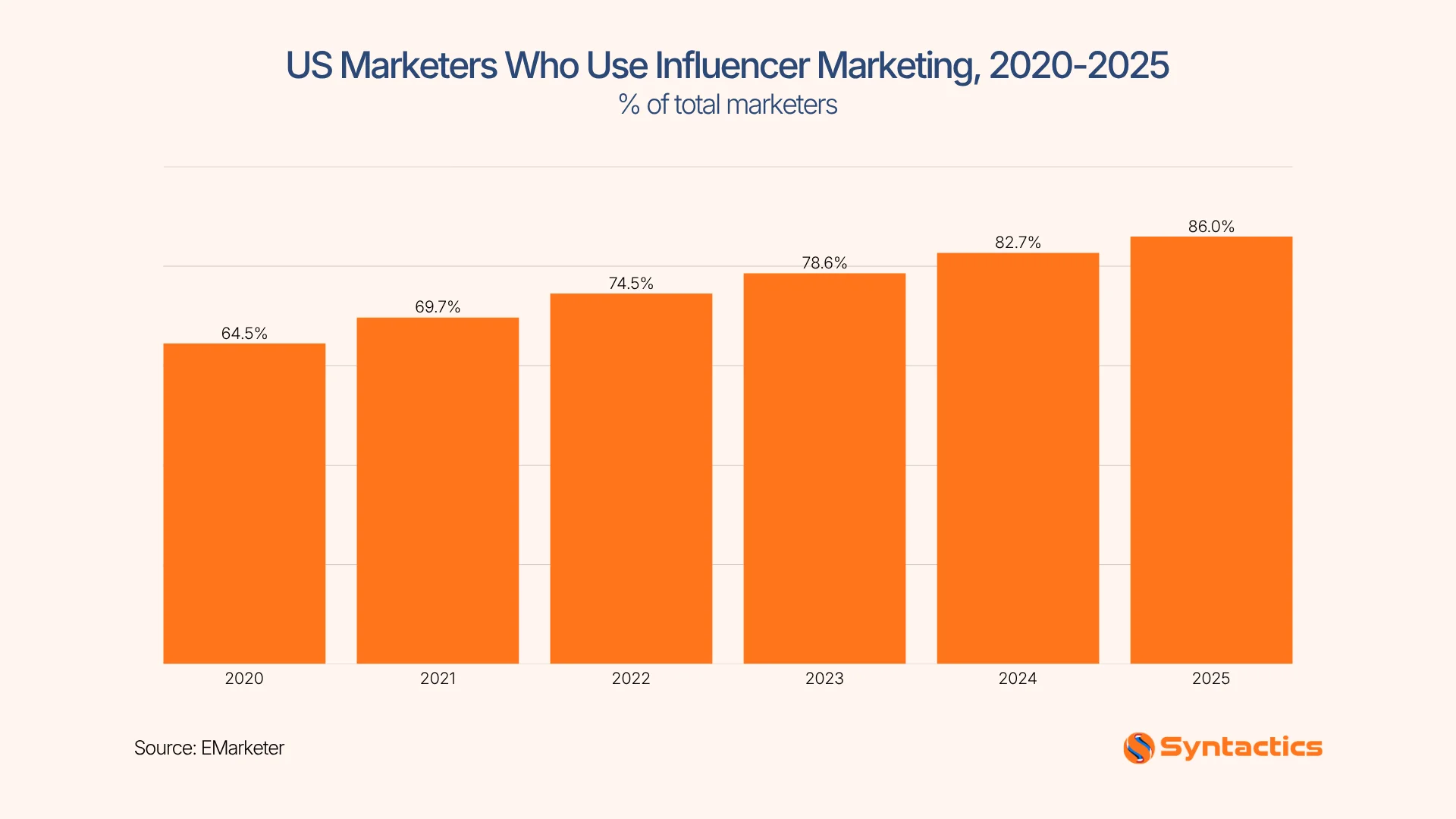
Source: EMarketer
That said, give each creator a clear brief covering the product, campaign objective, required talking points, creative direction, disclosure requirements, posting dates, and approval process. You can also give creators room to use their own voice so the content feels natural to their audience.
For holiday campaigns, consider using creators for:
- Product demonstrations and reviews
- Gift guides and seasonal recommendations
- Unboxing or first-impression videos
- Comparison or educational content
- Promo codes and trackable links
- Partnership ads using approved creator content
Remember to set usage rights and content deadlines before production begins. Confirm disclosure requirements and use the appropriate paid partnership labeling when branded content involves an exchange of value.
If you need help coordinating multiple creators, a reputable social media management agency in the Philippines can help organize briefs, approvals, publishing dates, and campaign assets into one workflow.
Reducing Friction Between Discovery and Purchase
After shoppers discover your product, make the next step easy. A strong holiday marketing strategy connects the Reel, or creator post, to a product page that answers the questions shoppers are likely to have.
Adobe’s analysis of the 2025 U.S. holiday shopping season found that 56.4% of online transactions happened on smartphones. Mobile shopping accounted for most online transactions, making mobile usability especially important during high-volume shopping periods.
Make your purchase path mobile-friendly by focusing on:
- Product tagging: Give shoppers a direct route from social content to the relevant product.
- Clear pricing: Display prices, discounts, bundles, and applicable promo codes prominently.
- Delivery information: Show shipping options, estimated arrival dates, and holiday cutoffs.
- Product details: Include specifications, sizes, ingredients, materials, or other information shoppers need.
- Simple checkout: Reduce unnecessary steps and make payment options easy to find.
- Customer support: Make it easy to ask questions about products, orders, and delivery.
Native shops and in-app checkout can reduce steps, but they do not eliminate every source of drop-off. Features and checkout options can also vary by market, account, product category, and platform eligibility, so test the full customer journey before scaling your campaign.

September-to-December Content Calendar
A month-by-month plan helps you move shoppers from discovery to purchase without making every post feel like a sales announcement.
September: Build Awareness
Introduce holiday themes, gift ideas, product benefits, and seasonal use cases. Begin creator outreach and test Reels to identify topics and creative styles that generate engagement.
October: Build Consideration
Expand product demonstrations, creator reviews, gift guides, and educational content. Align campaigns with 10.10 promotions and start retargeting people who watched your videos, visited product pages, or engaged with your content.
November: Drive Conversion
Increase promotional content around 11.11 and Black Friday. Use proven creator content in paid campaigns, highlight bundles and offers, and make product pages ready for higher mobile traffic.
December: Create Urgency
Shift toward 12.12, last-minute gifts, Christmas delivery deadlines, and products available for immediate purchase. Keep fulfillment information updated and prepare backup content in case products sell out or shipping conditions change.
Track reach, engagement, video completion, product visits, conversions, cost per result, and revenue when your tracking setup supports it. Then, use these results to adjust creative audiences, creator partnerships, and promotional timing throughout the season.
A digital marketing company in the Philippines can also help connect social campaigns, paid advertising, website activity, analytics, and conversion tracking so you can evaluate the full customer journey.
Conclusion
A well-planned holiday marketing strategy brings discovery, trust, and purchasing together instead of treating each activity as a separate campaign. Reels can introduce your products, creators can demonstrate how they fit into real life, and a simple purchase path can help interested shoppers take the next step.
As a trusted social media marketing agency in the Philippines, Syntactics, Inc. can help you execute this strategy through Reel production, creator coordination, content scheduling, paid amplification, community management, and campaign reporting.
Our experienced team can track metrics such as reach, engagement, video completion, product visits, conversions, cost per result, and revenue where tracking is available. With 26 years of experience and a global client portfolio, Syntactics, Inc. can help turn your holiday marketing plans into well-coordinated campaigns that connect with shoppers and support your sales goals.

FAQs About Holiday Marketing Strategy
When to plan holiday marketing strategy?
Start planning your holiday marketing strategy several months before the holiday season. Early planning gives you time to test campaigns, coordinate creators, and prepare promotions before peak shopping periods.
How can you measure creator campaign performance?
Use unique tracking links, promo codes, platform insights, and conversion tracking where available. Compare creator-level results across reach, engagement, product visits, conversions, and revenue.
What should you include in a holiday creator brief?
Include the campaign goal, product details, required messages, creative guidelines, disclosure requirements, deadlines, approval process, and content usage rights. Give creators enough context to produce accurate content while leaving room for their own presentation style.

About Jalou Batilong
Related News:



Why Responsive Web Design is Good for SEO

Website Builder Platforms: Our Top Four Picks

Speed Up WordPress: Convert Images to WebP




Comment 0