

Beyond the Funnel: The New Rules of Inbound Marketing
The new rules of inbound marketing put AI answers, open content, and fast follow-up ahead of the old funnel. Buyers research on their own, pick a shortlist early, and click fewer links.
HubSpot’s experience shows how quickly things are changing. Even though HubSpot started inbound marketing, its leaders say the blog dropped by 5 million visits in thirty days. AI search use rose 37%, while traditional search fell 11%. If this happened to HubSpot, your blog could face the same challenge. This article explains what changed and what you can do about it.
Key Takeaways
- AI summaries reduce clicks to websites, even for pages ranked first.
- Buyers spend only 17% of their purchase time with suppliers, so most research happens out of your sight.
- Open up most of your content. Gate assets worth an email address.
- Start each section with a 40- to 60-word answer so AI assistants quote you.
- Call high-intent leads within minutes of a demo or pricing request.
- Report pipeline, branded search, and self-reported source in place of raw traffic.
Why the Old Funnel Falls Short
The old funnel guided buyers from awareness to lead, then nurture, and finally to a sale. Ebooks, gated content, and standard email sequences supported each stage. But buyers no longer follow this path.
AI Summaries Reduce Clicks
AI Overviews now answer questions right on the search results page. People get what they need without visiting your site.
A Pew Research Center study tracked 900 U.S. adults in March 2025. Users clicked a result link in 8% of visits with an AI summary. Pages without a summary drew clicks in 15% of visits. Links inside the summary drew clicks in 1% of visits.
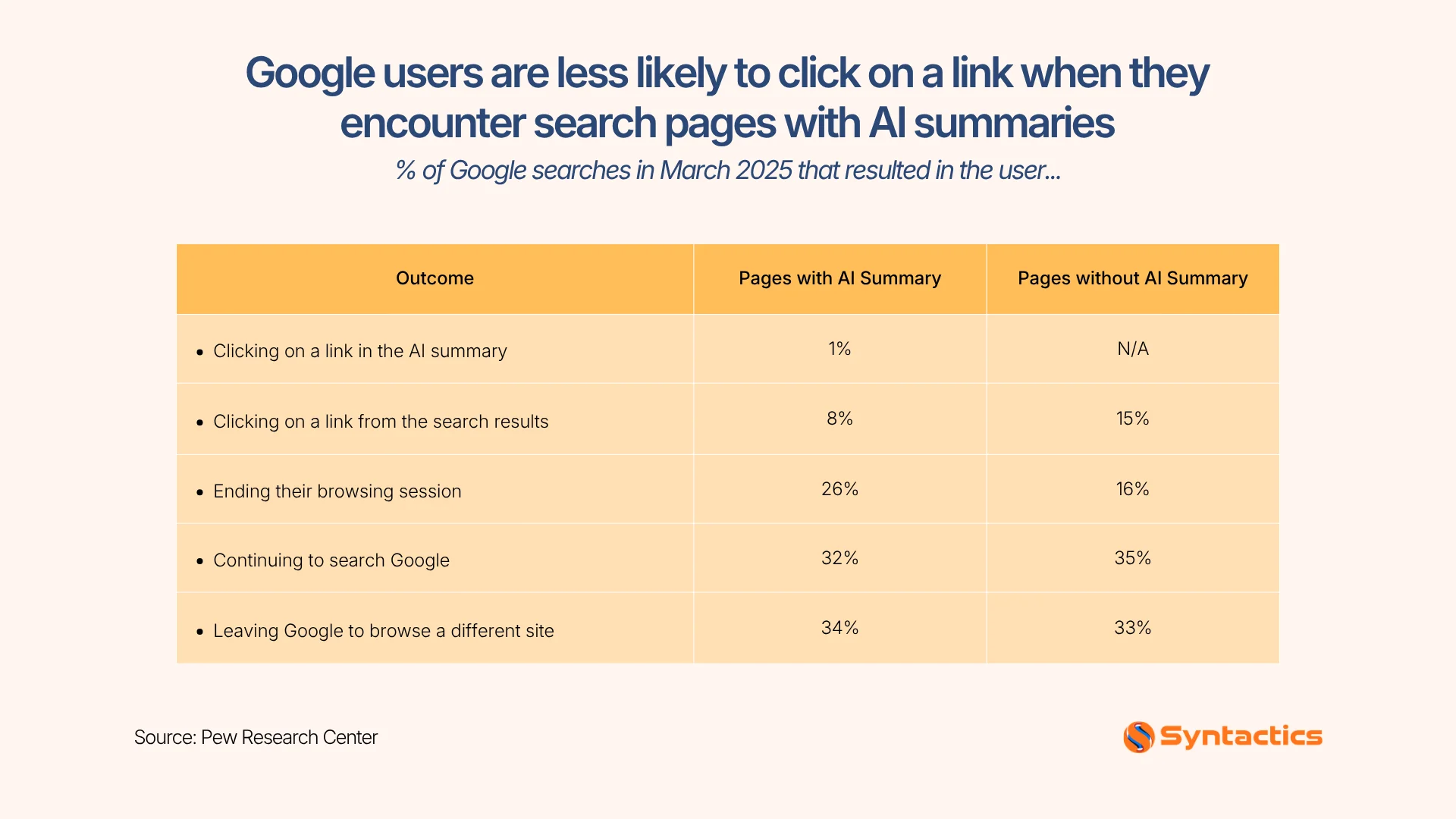
Source: Pew Research Center.
This means that informational posts feel the biggest impact. A post titled “What is account-based marketing” now competes with an AI answer above every result. A first-place ranking brings fewer visits than before.
Test your exposure this week. Ask ChatGPT, Perplexity, and Google your 10 most valuable buyer questions. Record which brands get cited and which pages they cite.

Buyers Decide Before They Contact You
Gartner’s B2B buying research shows buyers spend 17% of their purchase time meeting suppliers. With three vendors in the running, each gets about 5%. Buying groups include six to 10 decision makers.
Most research now happens in communities, on review sites, with AI assistants, and in peer conversations. These spaces are usually outside your control. Instead of just collecting leads, focus on making the Day One shortlist. Many buyers decide before you even start nurturing them.
Open Content Earns More Trust
AI crawlers can’t see gated pages, so they get fewer citations. Buyers looking for answers before talking to sales prefer open pages. Keep your best content open, and only gate assets that are valuable enough for someone to share their email, like original benchmark data with expert insights.
How the Market Responds
Two top marketing experts have already updated how they talk about inbound marketing.
HubSpot Moves From Funnel to Loop
HubSpot introduced the flywheel model in 2018. Now, their Loop approach replaces the old funnel with four repeating stages.
- Express defines your brand point of view before AI joins the work.
- Tailor personalizes messages with customer data.
- Amplify spreads content across channels, including places where AI provides answers.
- Evolve improves results with data.
HubSpot also renamed its flagship conference from INBOUND to UNBOUND.
Content Marketing Outpaced Inbound
According to the Content Marketing Institute, inbound marketing now feels routine, like plumbing. It’s still important, but less exciting. CMI suggests marketers focus on content that builds an audience, even on platforms like YouTube and social media.
6 New Rules of Inbound Marketing
These new rules replace old funnel habits with steps that fit how buyers actually search, compare, and decide. You can start using any of these rules this month.
Rule 1: Share Your Own Expert View
Sharing original ideas helps you stand out from generic content. AI assistants are more likely to cite unique material. Generic posts on broad topics don’t give them much to use. Share your own data, customer results, and expert opinions. Before publishing, ask yourself what new insight your page offers.
Rule 2: Give AI Assistants Clear Answers
AI assistants take short sections from your pages, so each part should make sense by itself.
- Open with a 40- to 60-word answer. Start every section with a direct answer. Name the people, products, or places involved, add a number, and share the evidence. Put the details below.
- Add sources, numbers, and quotes. The Princeton GEO study tested content changes across 10,000 queries. Adding citations, expert quotes, and statistics raised source visibility by up to 40%. Link to primary sources and name the people you quote.
- Keep pages fresh. Build groups of related pages that show depth. Refresh key pages every 4 to 6 weeks. Show the last updated date.
Rule 3: Build Strong Buying Pages
When buyers compare options, they look at pricing, comparison, demo, and product tour pages. Add proof, address objections, and use specific details instead of vague claims. List your top 50 buyer questions by intent and match each to a page or FAQ. Comparison pages often get the most AI citations, so focus on those first.
Rule 4: Share Content Before You Write More
Many teams publish more content than they actually share. Plan how you’ll share each major asset before you even start writing.
- Post from personal profiles, which reach more people than company pages.
- Join community threads where your buyers ask questions.
- Turn reports into short videos, carousels, and stat cards.
- Share case studies on Reddit, where relevant threads appear in search results.
Rule 5: Speed Up Sales Follow-Up
Responding quickly turns interest into meetings. Call within minutes after a demo request, pricing view, or data sample download. Limit follow-up to 7 to 9 touches over about 10 days. Customize your messages and proof for each region and segment instead of using one global approach.
Rule 6: Measure What Buyers Tell You
Better metrics reveal what actually drives deals. Begin with these two habits.
Ask buyers how they found you
Tracking software often misses the research buyers do on their own. Add a “how did you hear about us” field to every form and connect the answers to your pipeline and revenue. Buyers often mention AI assistants, communities, and referrals that tracking tools can’t capture.
Track five numbers
Go over these numbers with your sales team every month.
- Branded search volume and direct visits
- Share of voice on your priority topics
- Leads that become meetings, qualified deals, and closed deals, by channel
- Self-reported source mix
- Content that influenced each deal stage
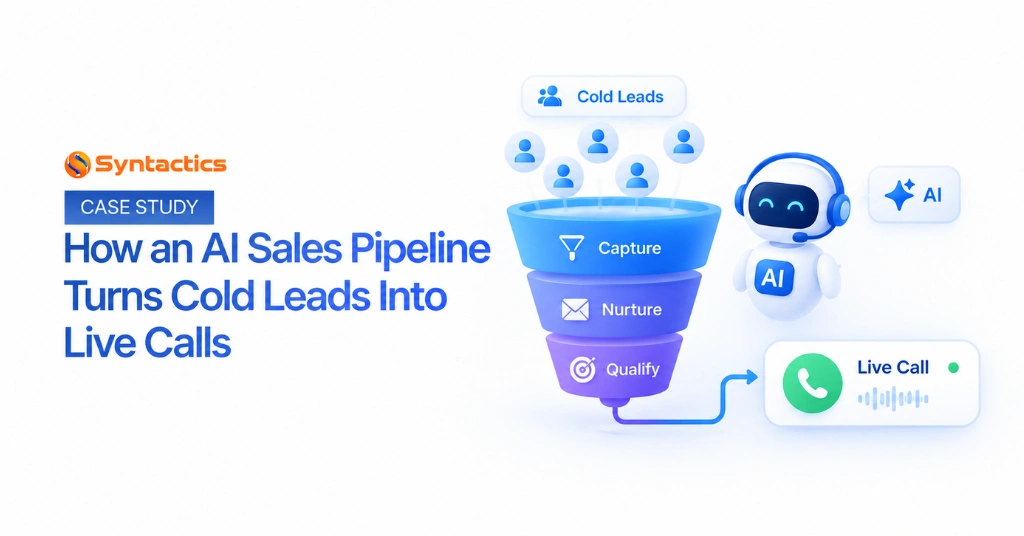
Take a look at our latest case study to see how we turn leads into live calls.
Final Thoughts
The traditional funnel is mostly over. These new rules focus on helpful content, clear answers, and fast replies. Those who adapt first are more likely to make the shortlist.
The strategy is pretty simple. Rewrite an old post so the first 50 words answer the question. Refresh old numbers. Trim a long email sequence to two messages. Each month, ask an AI assistant the questions your buyers ask, and write down which brands the assistant names.
As a trusted digital marketing agency in the Philippines, Syntactics, Inc. helps brands like yours turn search visibility into buyer action. Our content writers and search specialists work together to create content that answers buyer questions and moves prospects closer to a decision.
Elevate Your Brand In the Digital Landscape!

Frequently Asked Questions
Does SEO still matter for B2B in 2026?
Yes. Rankings feed AI Overviews, and citations now carry as much weight as clicks. Focus on high-intent queries and brand strength.
How much content should you gate?
Aim for about 80% open and 20% gated. Gate assets buyers value enough to trade an email address for.
What do you tell a board that wants marketing leads?
Show pipeline and revenue by channel, plus self-reported source data. Those numbers show which content drives deals.
Is inbound marketing still worth it?
Yes. The rigid funnel is gone. Being found by offering real value still wins deals.

About Jalou Batilong
Related News:

Using Mail Merge in Email Marketing

When to Consider Using Cloud Software Solutions
Google Analytics 4 Events and Goals or Conversions





Comment 0