


Regression Testing: What It Means for Your Website’s Reliability
Every website update carries the risk of introducing unexpected issues that affect your users. According to SAP’s 2026 Engagement Index, 71% of U.S. consumers are put off by disorganized digital interactions that force them to repeat information or navigate frustrating experiences.
As such, a single broken form, checkout error, or navigation issue can quickly erode customer trust and reduce conversions. Regression testing helps prevent these problems by confirming that existing website features continue working properly after every update, giving you greater confidence before changes go live.
Key Takeaways
- 57% of QA tests are currently automated (Sembi).
- Regression testing verifies that website updates don’t break existing functionality.
- Focus your testing efforts on critical user journeys before expanding to lower-priority features.
- Risk-based testing helps you maximize coverage while controlling costs.
- AI-assisted testing improves speed and efficiency but still requires human oversight.
What Regression Testing Means for Your Updates
Whenever your development team changes code, there is always a chance that an unrelated feature will stop working. Something as simple as updating a payment gateway could unexpectedly affect your checkout page. A navigation update might also prevent contact forms from loading correctly. Even changing a plugin or content management system can introduce hidden issues.
That’s where regression testing becomes valuable. Instead of only checking the new feature, you also verify that your website’s existing functionality continues working after the change.
You don’t need to test every page equally. Instead, prioritize the areas that directly affect your customers, including:
- Homepage navigation
- Contact forms
- User login
- Shopping cart and checkout
- Product search
- Mobile responsiveness
- Payment processing
These business-critical paths deserve the highest priority because they have the greatest impact on customer satisfaction and revenue.
If you work with a web developer in the Philippines, ask how they determine which features belong in their testing process. A well-defined testing scope helps reduce unnecessary effort while protecting your most valuable website functions.

Why Skipping Regression Testing Puts Your Business at Risk
Many website problems don’t come from major failures. They come from small bugs that quietly frustrate users until they decide to leave.
Imagine a customer filling out your inquiry form only to discover the submit button no longer works. Another visitor may add products to their cart but encounter an error during checkout. Even if these issues affect only a small percentage of users, they can quickly reduce conversions and damage your reputation.
Customer expectations continue to rise. According to Zendesk, 57% of U.S. consumers would switch to a competitor after just one negative customer experience. This finding shows that consistent testing directly supports customer retention, protects revenue, and strengthens confidence in your website.
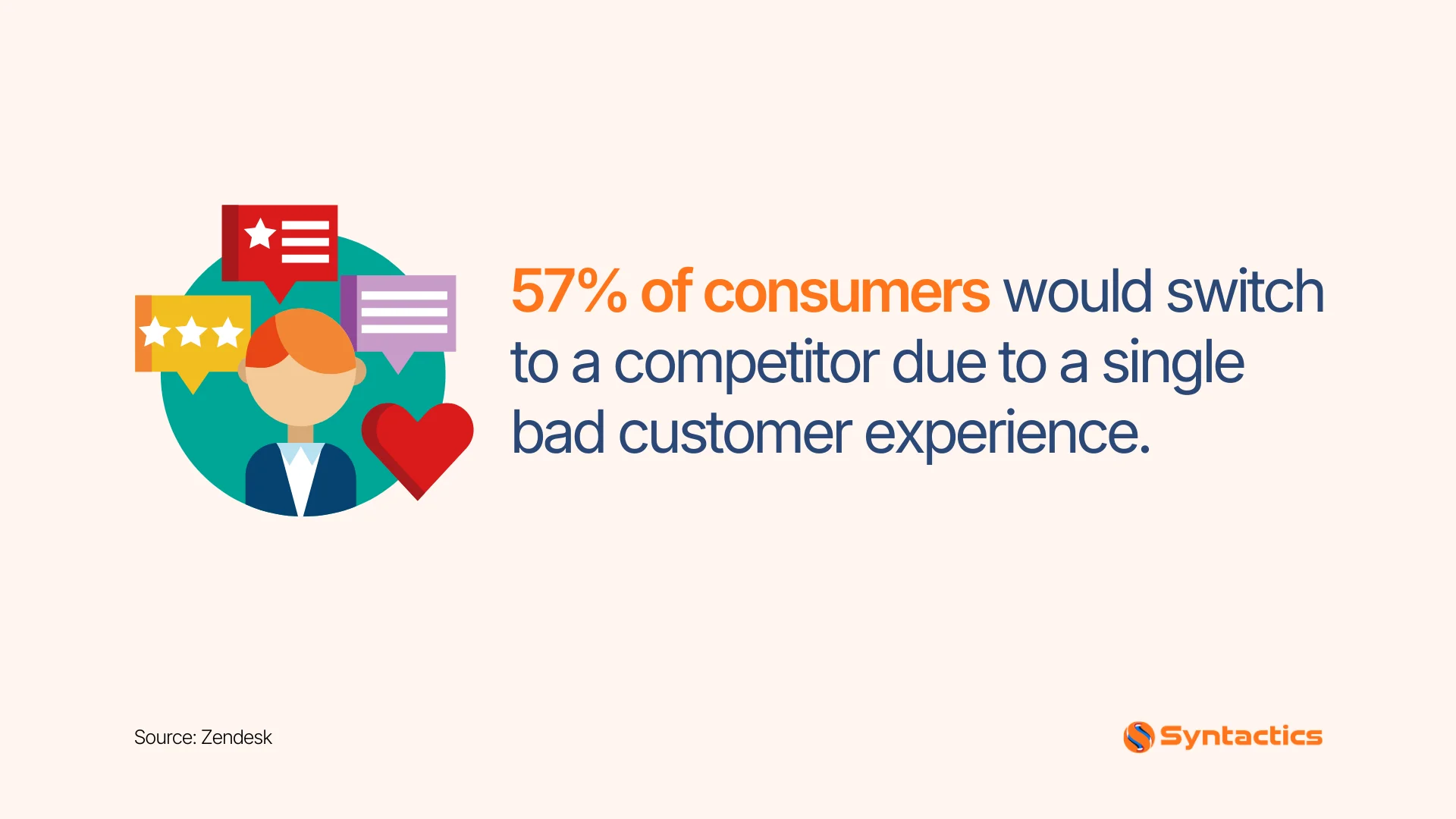
Source: Zendesk
If you’re investing in website design services in the Philippines, quality assurance should be integrated throughout the development process instead of waiting until launch day. Finding issues early is significantly easier and less expensive than fixing problems after customers encounter them.
How a Risk-Based Approach Protects Your Budget
Once you recognize the importance of regression testing, the next challenge becomes deciding where to invest your time and resources.
Testing every page after every update is rarely practical. Instead, many successful development teams use a risk-based approach that focuses first on the features most likely to affect your business.
For example, your testing priorities might look like this:
- Payment and checkout
- Login and account management
- Contact forms
- Search functionality
- Marketing pages
- Blog content
This strategy provides stronger protection without dramatically increasing testing costs. Automation further improves efficiency by validating high-priority functions after every release. Instead of repeating the same manual checks, automated regression tests allow QA professionals to focus on complex user scenarios and edge cases.
How AI-Assisted Testing Speeds Up Your Releases
A risk-based testing strategy becomes even more effective when paired with AI-assisted tools. Instead of replacing QA professionals, artificial intelligence helps them identify issues faster, reduce repetitive work, and shorten testing cycles.
For instance, modern testing platforms can automatically update broken test scripts when user interface elements change, a capability known as self-healing. Some tools also use predictive test selection to identify the tests most likely to detect issues after recent code changes, reducing unnecessary test execution and accelerating releases.
Although automation continues to expand, human expertise remains important. According to the 2026 Sembi Software Quality Pulse Report, 57% of QA tests are currently automated, leaving nearly half still performed manually. This balance reflects the continued need for experienced QA professionals to evaluate complex user journeys, usability, accessibility, and unexpected behaviors that automation alone cannot fully assess.
Overall, combining AI-assisted testing with human review helps you release updates faster while maintaining the reliability your users expect.
What a Structured Testing Process Means for Your Releases
AI and automation are most effective when supported by a structured testing process. Rather than treating every test equally, successful QA teams organize their testing activities to maximize efficiency and coverage.
A common approach is the testing pyramid. It emphasizes running a large number of fast automated unit tests, followed by integration tests, while reserving end-to-end testing for the most critical user journeys. This balance helps identify issues earlier while reducing the time required for each release.
Website quality has a direct impact on user satisfaction. For instance, the 2026 U.S. Telecom Digital Experience Study by JD Power reports that customers consistently rated website login experiences 42 points lower than mobile app logins.
Slow responsiveness and maintenance issues were identified as key causes of dissatisfaction. As such, a structured testing process helps catch these issues before they affect your users.
Continuous improvement is equally important. After every deployment, QA teams need to review defects, identify recurring issues, and refine the testing process based on real outcomes. This ongoing feedback loop strengthens future releases and reduces the likelihood of repeated problems.
A structured QA process gives you:
- Faster release cycles
- More reliable website updates
- Earlier bug detection
- Lower maintenance costs
- Greater confidence before deployment
Consistent testing practices help your website remain stable even as new features, integrations, and content are introduced over time.

Ask About the Testing Process Behind Your Next Update
Every website project should include a clear quality assurance strategy, not just a development timeline. Before approving your next update, ask your development partner how they verify that existing functionality continues working after new changes are introduced.
Asking these questions matters because your website often shapes a customer’s buying decision. According to DemandSage, 93% of shoppers check online reviews before purchasing a product or service they’ve never tried before. So, your website needs to deliver a reliable experience once potential customers visit.
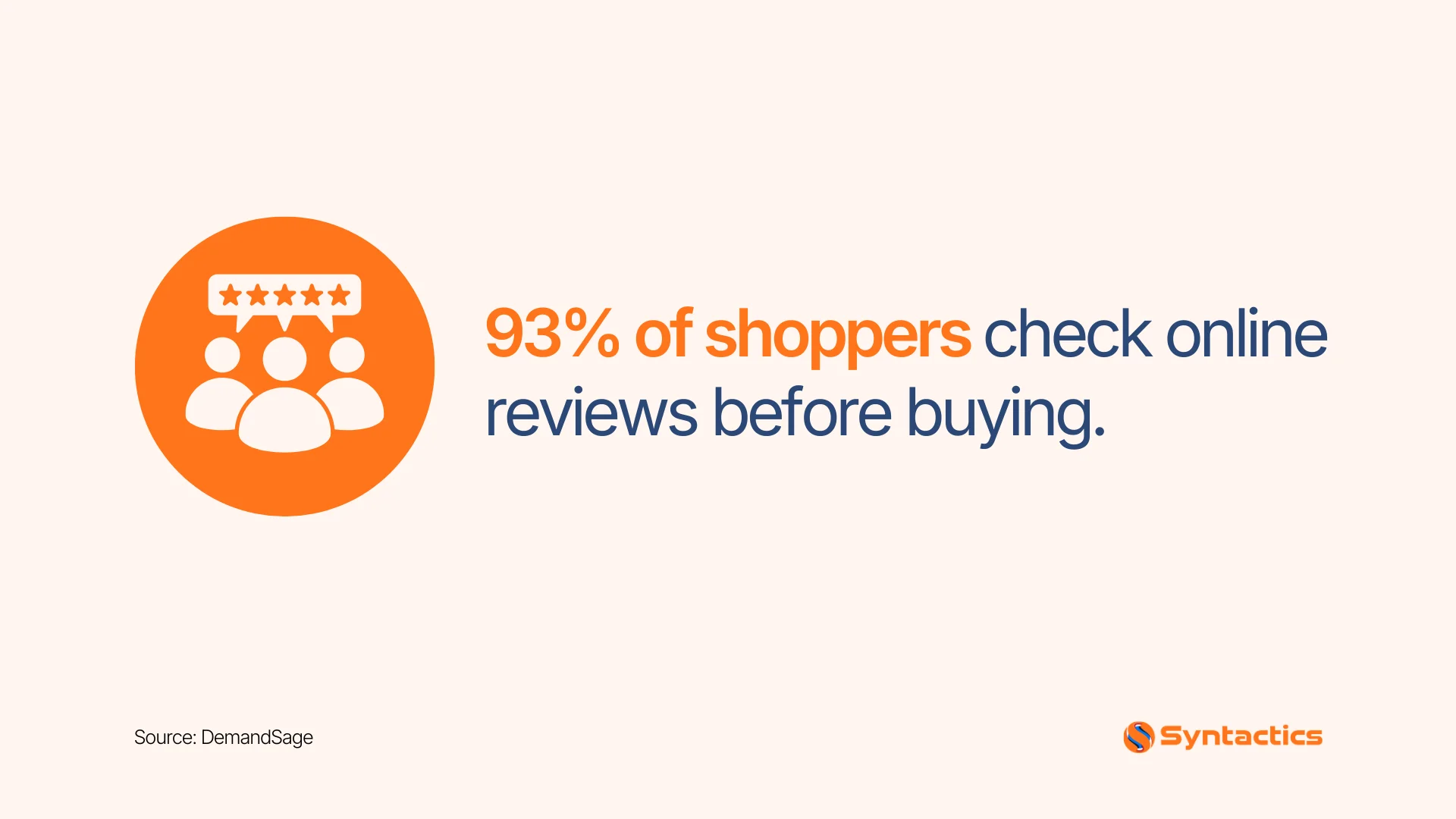
Source: DemandSage
With that in mind, a disciplined QA process helps ensure your website performs as expected and reinforces the trust built through positive reviews. If you’re working with a web design agency in the Philippines, understanding its QA process can help you choose a team that prioritizes long-term website reliability rather than quick deployments.
Consider questions such as:
- Which website features receive priority during testing?
- Which tests are automated, and which require manual review?
- How are bugs documented and resolved before launch?
- What browsers and devices are included in testing?
- How is website performance verified after deployment?
The answers reveal whether your development partner follows a disciplined QA process or simply fixes issues as they appear.
Conclusion
Every website update introduces opportunities for improvement, but it also creates the possibility of unexpected issues. Regression testing helps protect your investment by verifying that existing functionality continues working as expected, allowing you to release updates with greater confidence while maintaining a reliable user experience.
At Syntactics, Inc., every project benefits from a structured quality assurance process supported by experienced developers and a dedicated web QA tester. Our team performs regression testing alongside functional and usability testing to identify issues before they reach your users. As a trusted provider of web development solutions, we help businesses launch reliable, high-performing websites that continue to perform as they grow.

FAQs About Regression Testing
What is regression testing?
Regression testing verifies that existing website features continue to work correctly after updates, bug fixes, or new functionality are introduced. It helps identify unintended issues before changes go live.
How to perform website regression testing?
Start by identifying critical website functions, such as navigation, forms, login, and checkout, then test them after every update. Use a combination of automated and manual testing to ensure reliable results and catch issues that automation may miss.
How often should regression testing be performed?
Run regression testing before every website release, regardless of the size of the update. Even small code changes can affect existing functionality.
Can small business websites benefit from regression testing?
Yes. Every website relies on features such as forms, navigation, and mobile responsiveness that should continue working after updates. Testing helps prevent avoidable issues that could affect leads or sales.
Does regression testing improve website security?
Regression testing does not replace security testing, but it can identify functional issues introduced after security patches or software updates. Pairing it with regular security assessments provides broader protection for your website.

About Ladymieh Naallatan
Related News:

Choosing the Right Social Media Platform



Why Use Multiple Search Forms in WordPress Websites








Comment 0