

How to Create Pinterest Ads: A Step-by-Step Guide
Pinterest is more than a discovery platform; it’s a high-intent channel where users actively plan purchases, projects, and decisions. For businesses exploring how to create Pinterest ads, this presents a valuable opportunity to reach audiences early in their buying journey, before they engage with competitors on other platforms.
This step-by-step guide explains how to create Pinterest ads that drive traffic, engagement, and conversions. From setting up your ad account to choosing the right ad formats, refining targeting, and optimizing performance, you’ll learn how to turn Pinterest into a scalable advertising channel for business growth.
Why You Should Use Pinterest Ads
With more than 600 million users worldwide, Pinterest gives businesses access to an audience actively searching for ideas, products, and solutions. Unlike scroll-based social platforms, Pinterest users arrive with intent, making it easier for brands to influence decisions earlier in the buying journey.
This is why many businesses and a digital marketing company in the Philippines leverage Pinterest ads to increase brand visibility, drive qualified traffic, and encourage users to complete actions such as purchases, sign-ups, or inquiries after engaging with promoted content.
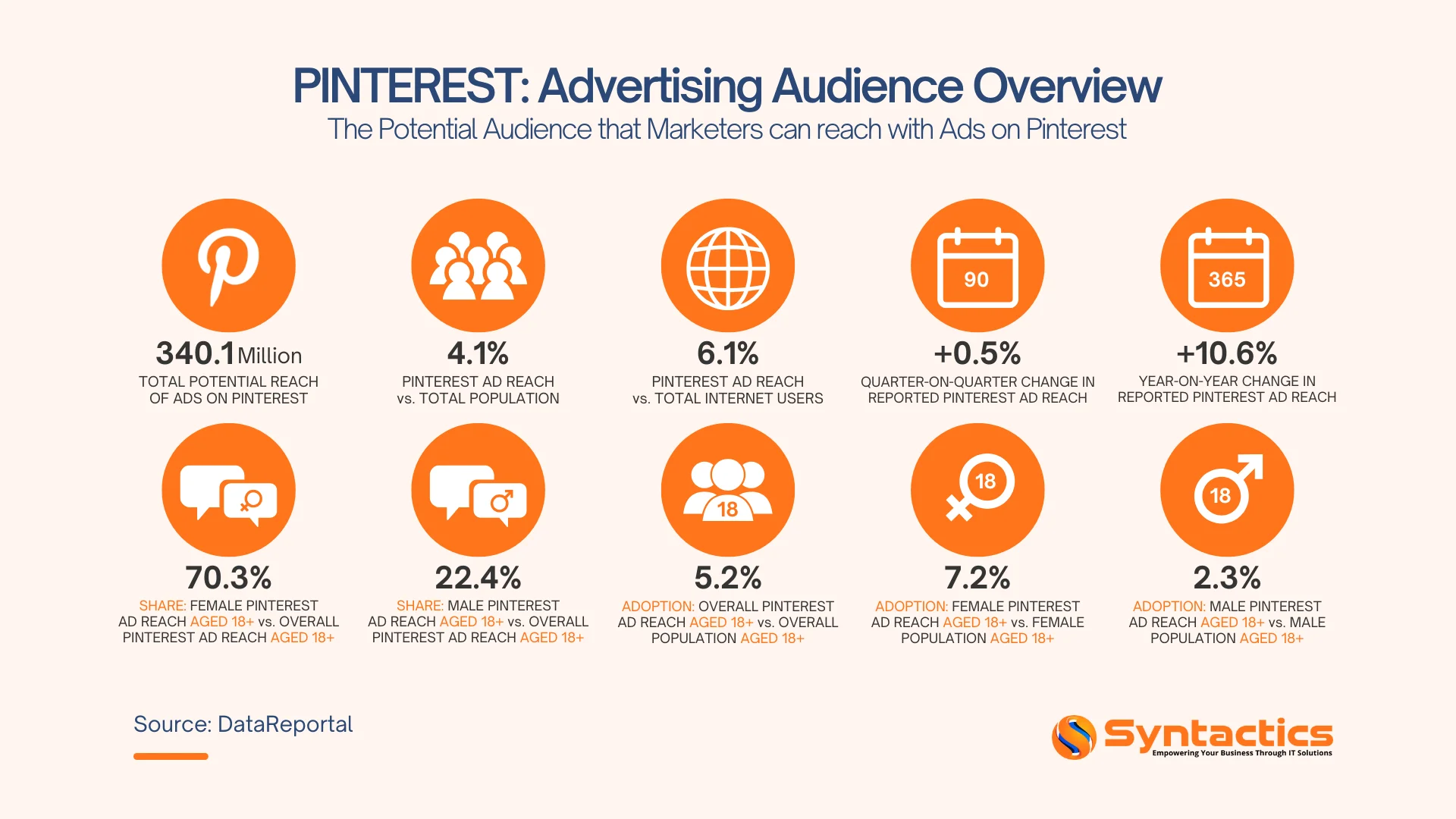
Source: DataReportal.
Types of Pinterest Ads You Can Use
Pinterest offers multiple ad formats designed to support different marketing goals—from awareness to conversions:
- Promoted Pins. Similar to a regular pin, these pins appear in the home feed and search results. They are boosted and targeted to get more reach. Every time users tap on your ad, they will be taken directly to your landing page.
- Promoted Carousels. These utilize 2 to 5 images that users can swipe through. They appear and behave like regular pins, but they have dots on the bottom, telling users that they can swipe the images left or right. This ad is great if you are featuring multiple products with different images, titles, descriptions, and landing pages.
- Promoted Video Pins. This promoted pin uses a video instead of an image. They appear in the home feed, in search results, and on the “more like this” section of a Pin close-up. Also, videos automatically play when they are fifty percent in view.
- Promoted App Pins. Through this ad, users can directly download mobile apps from Pinterest. Also, they look the same as a promoted pin, but they are linked to a digital distribution platform such as Google Play Store, the App Store, or iTunes.
- Shopping Ads (formerly Buyable Pins). These pins allow users to look for and purchase products directly from Pinterest. They also appear where promoted pins would, but the items in the image are tagged with (5 to 6) dots which users can tap on to display links to product information.
- Idea Pins (also known Story Pins). These pins can feature up to 20 pages of images, videos, text, and links. They appear in the home feed with a title and a cover image. When users tap on it, they will get to see all of its pages.
10 Steps in How to Create Pinterest Ads
Now that you know the types of Pinterest ads, follow these steps to create campaigns that drive traffic, engagement, and conversions.
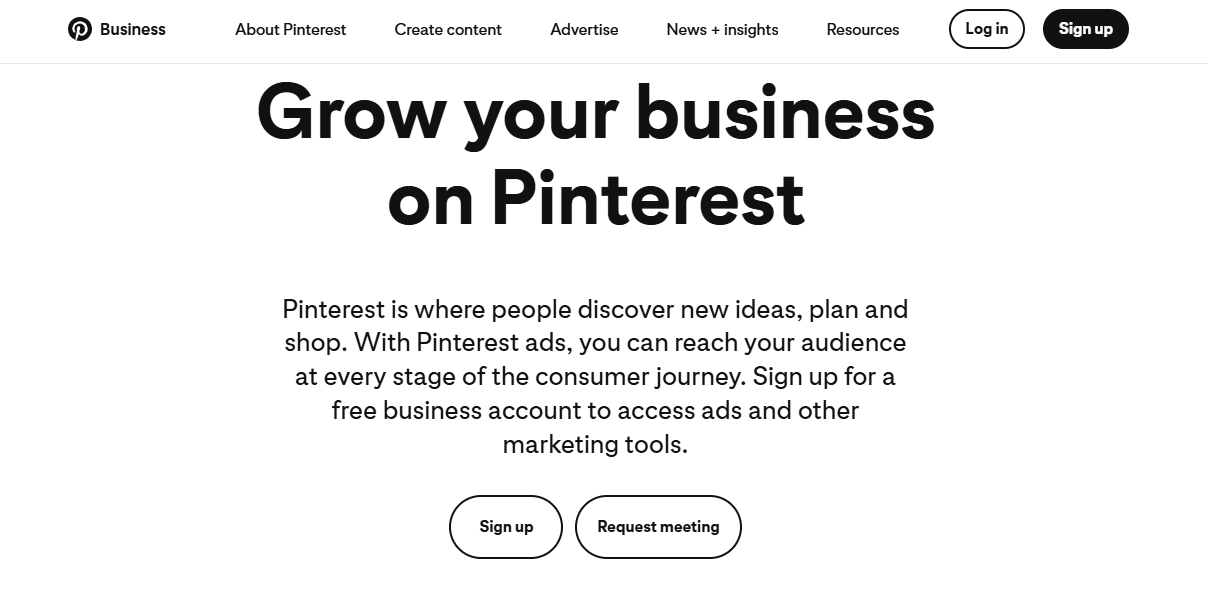
1. Register Business Account and Install Pinterest Tag
Convert your existing Pinterest account into a business account, or create a new one if needed.
Install the Pinterest Tag on your website to track user actions like searches, sign-ups, and purchases after interacting with your ads.
2. Select Campaign Goal
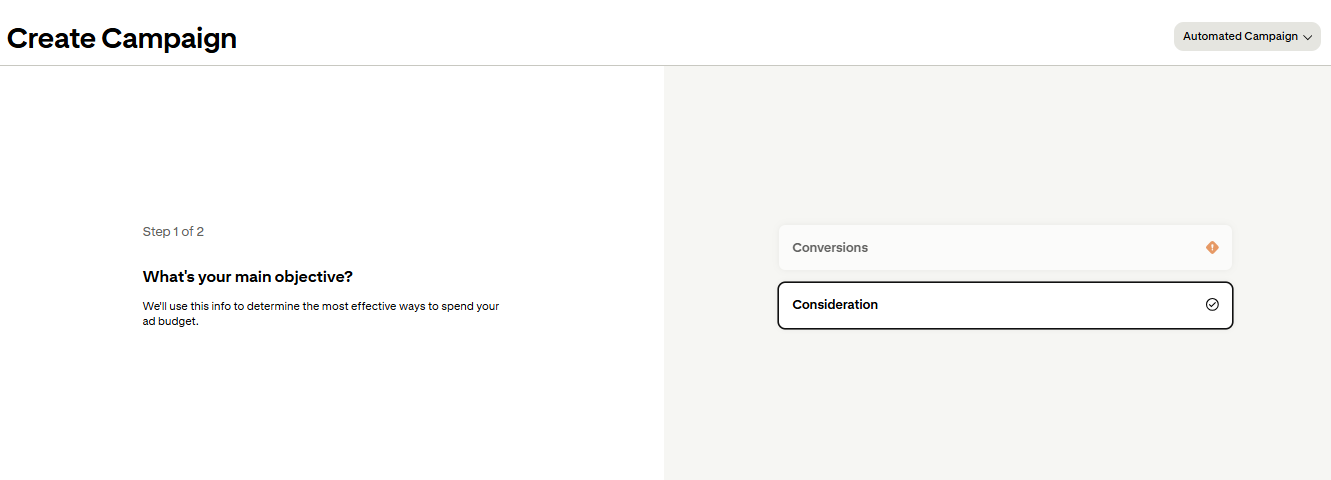
In Pinterest Ads Manager, click on Create Ad. Choose one of three business goals:
- Consideration: Drive high-quality traffic to your website.
- Conversions: Encourage actions such as sign-ups or purchases.
Optional: Enable Pinterest Performance+
Pinterest’s Performance+ mode streamlines campaign setup using automation for targeting, bidding, and ad delivery. You can toggle this at campaign creation for consideration, conversion, or catalog sales objectives, reducing manual setup and improving optimization.
3. Setup Campaign Details
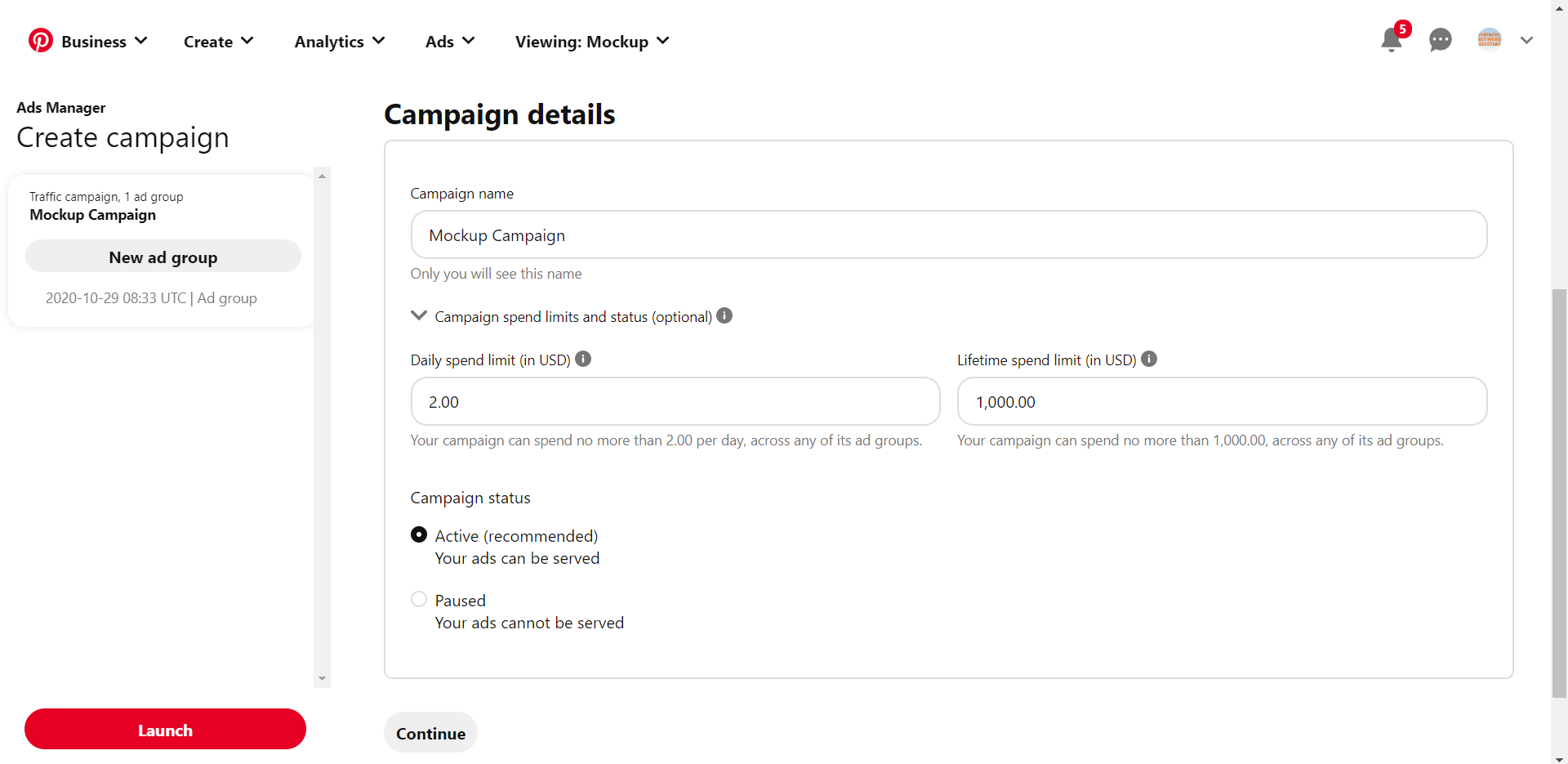
Enter your campaign name and set your corresponding daily and lifetime spend limit. Then, identify the campaign status by clicking on Active or Paused. Click on Continue.
4. Create Ad Group
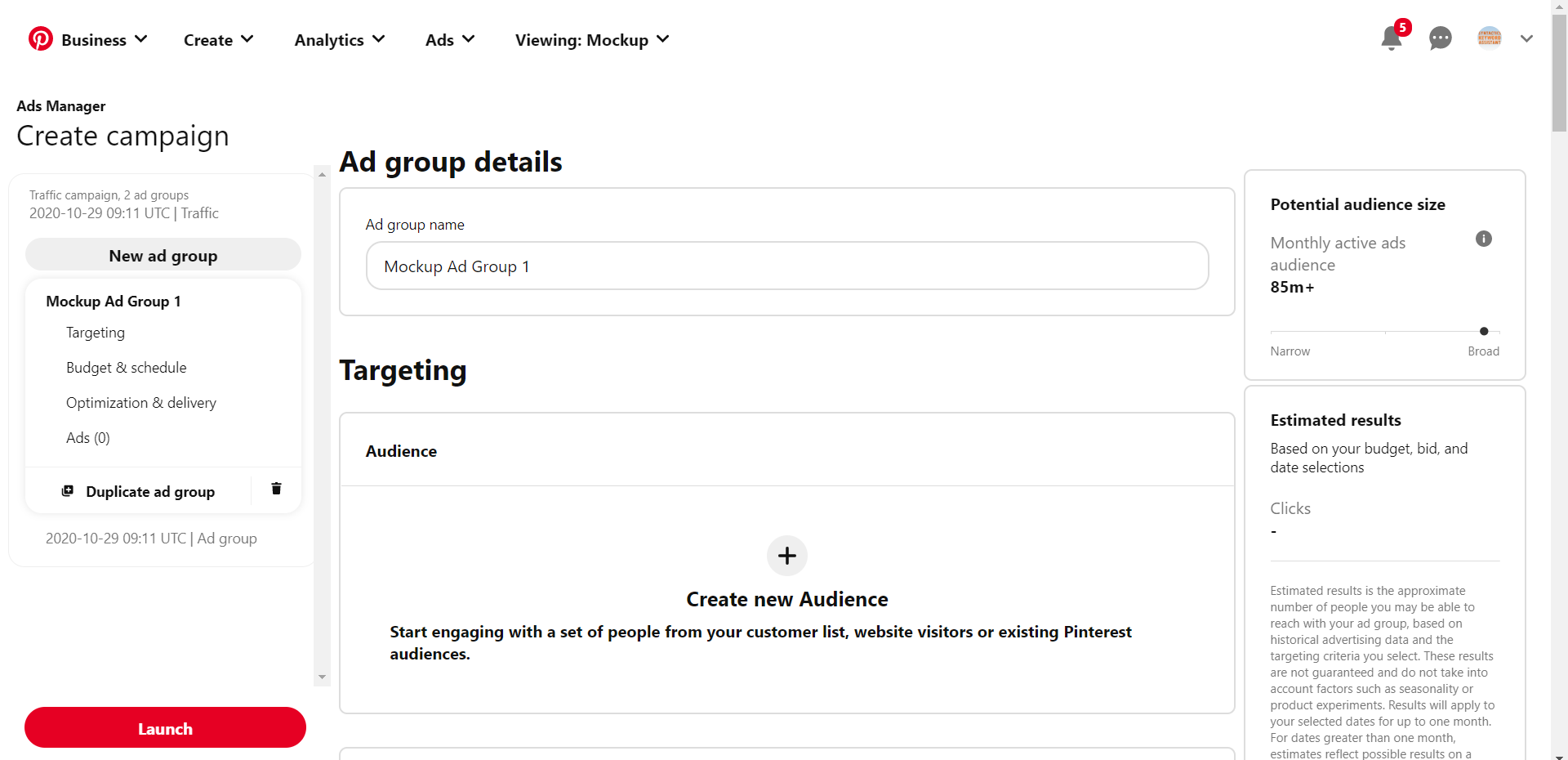
You can create a new ad group or choose an existing one. Each ad group can have different audience targeting and assigned budgets. They can help manage multiple goals for a single campaign.
5. Add Interests and Keywords
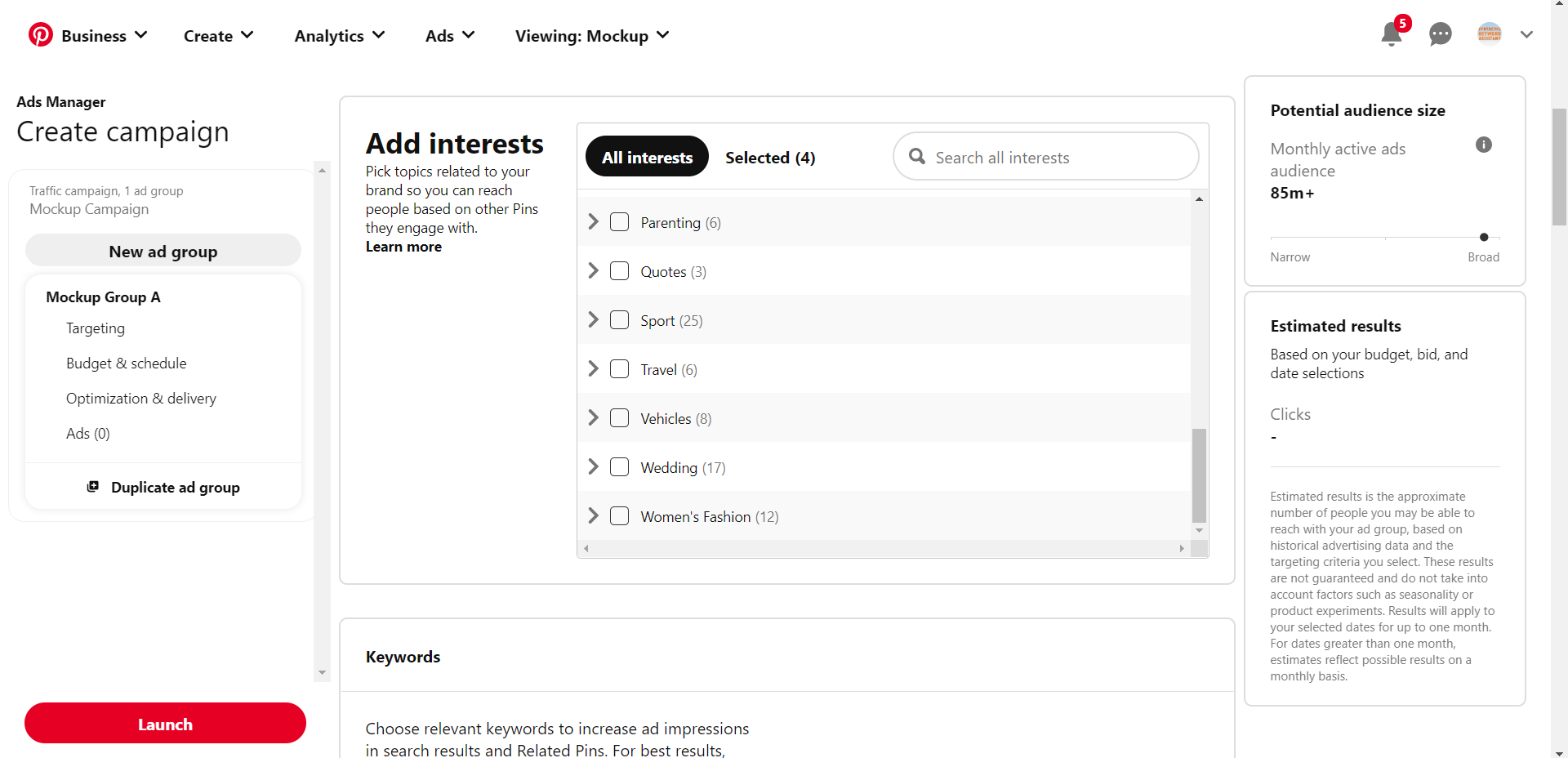
By adding interest and employing the right keywords, you can improve reach and increase click-through rates. These ensure that your ads target relevant searches and interests.
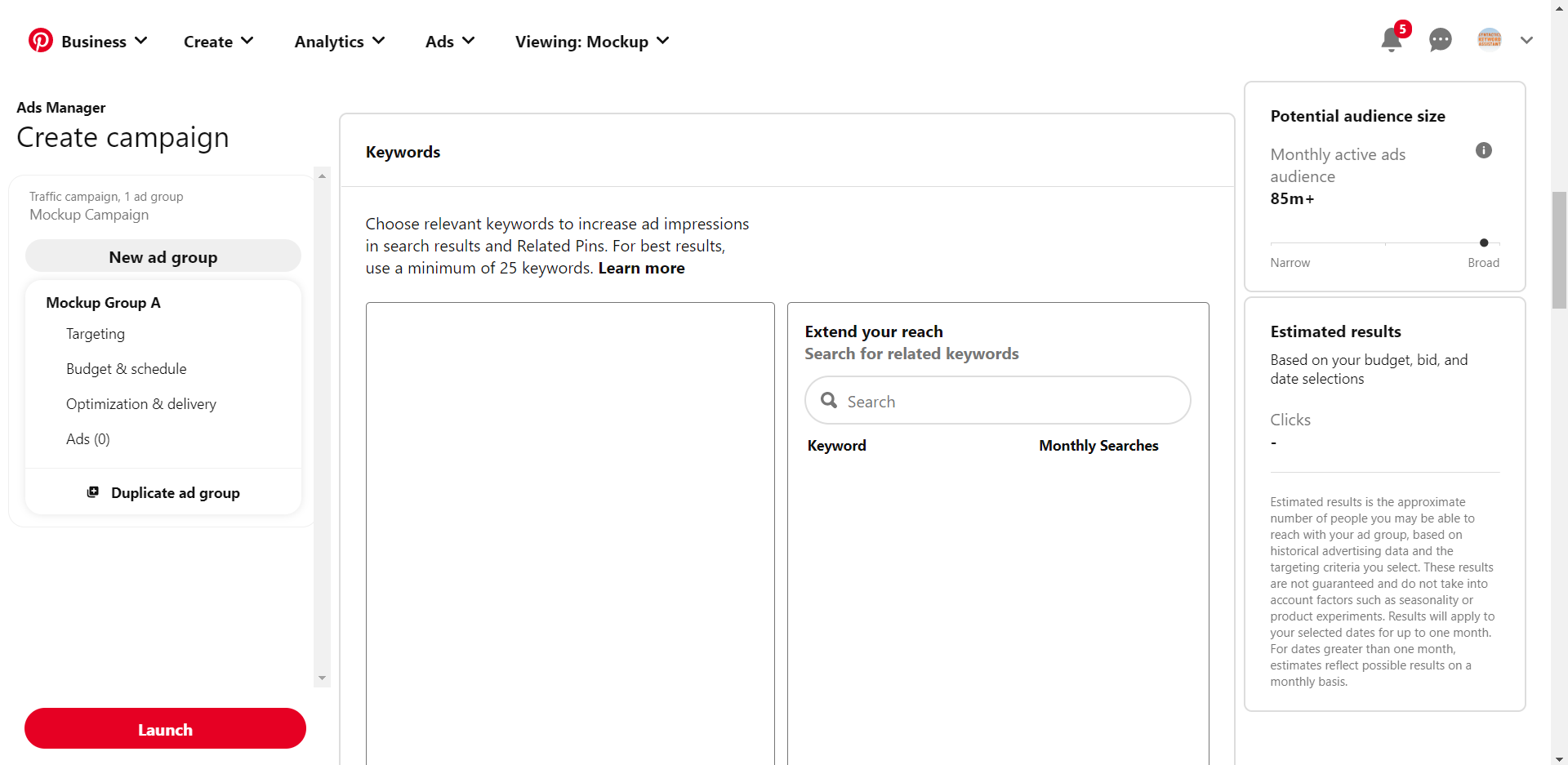
When you create Pinterest ads, it is recommended to use 25 keywords, which you can format to indicate a broad match, phrase match, or exact match. You can also input negative keywords to exclude search terms from triggering your ads.
6. Indicate Target Audience
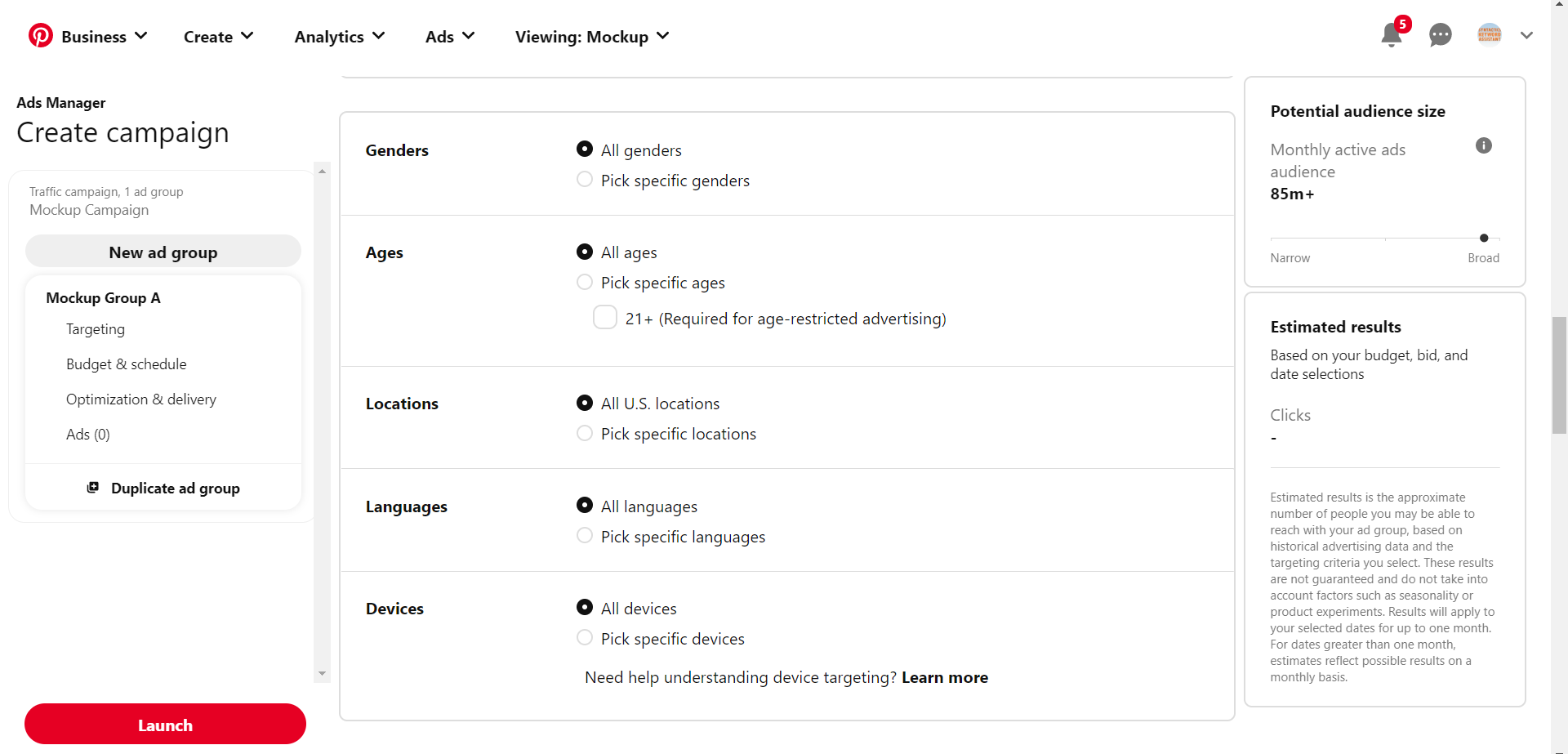
You can target your audience based on their gender, age, location, language, and device used.
7. Pick Ad Group Placement
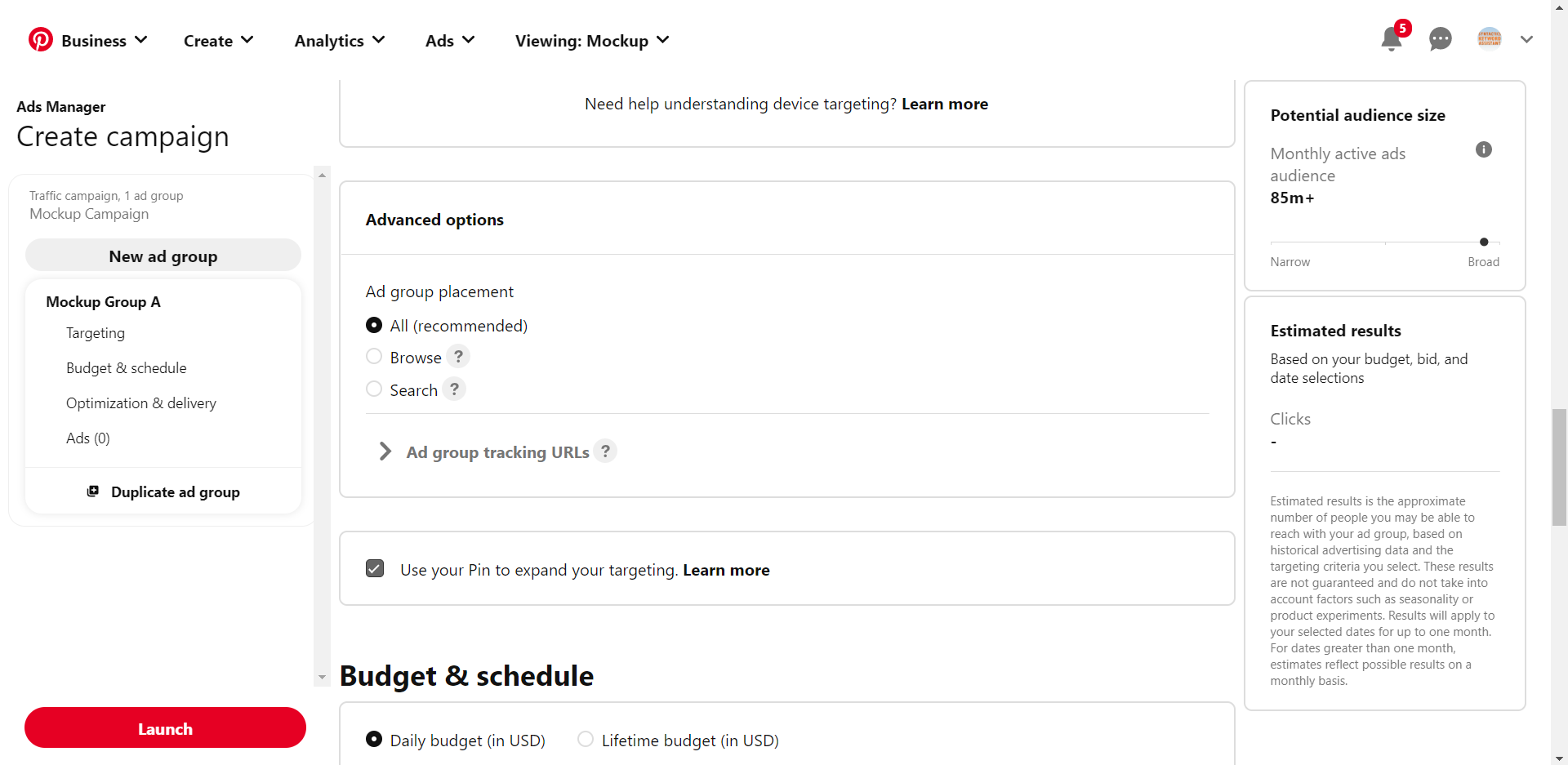
The “All” group placement is set as the default to indicate where you want your ads to appear. However, you can also choose between “Browse” or “Search” when you create Pinterest ads. Browse placements appear in the home feed and related pins. Search result placements work best when you target using the proper keywords.
8. Set Budget, Schedule, and Delivery
Set your daily or lifetime budgets. The former sets the daily spending limit for your ad group while the latter is the total amount that you prefer to spend on the campaign duration.
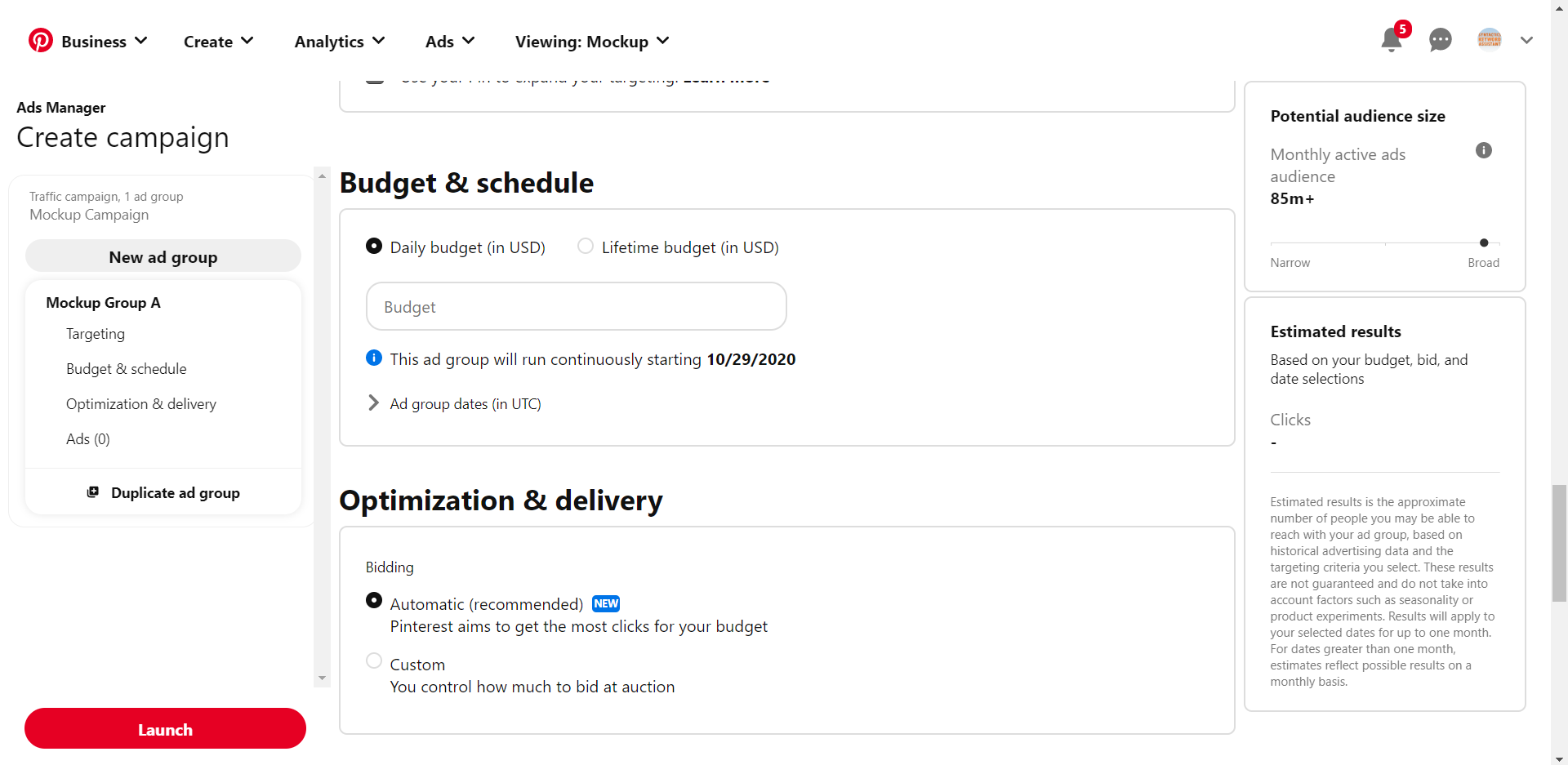
For optimization and delivery, you can choose between Automatic or Custom biddings. Automatic biddings aim to get the most clicks for your budget, whereas custom bidding lets you control how much to bid at auction.
9. Pick Promoted Pins
Click a pin to add it to your ad group. Make sure to include two to four pins in every ad group when you create Pinterest ads.
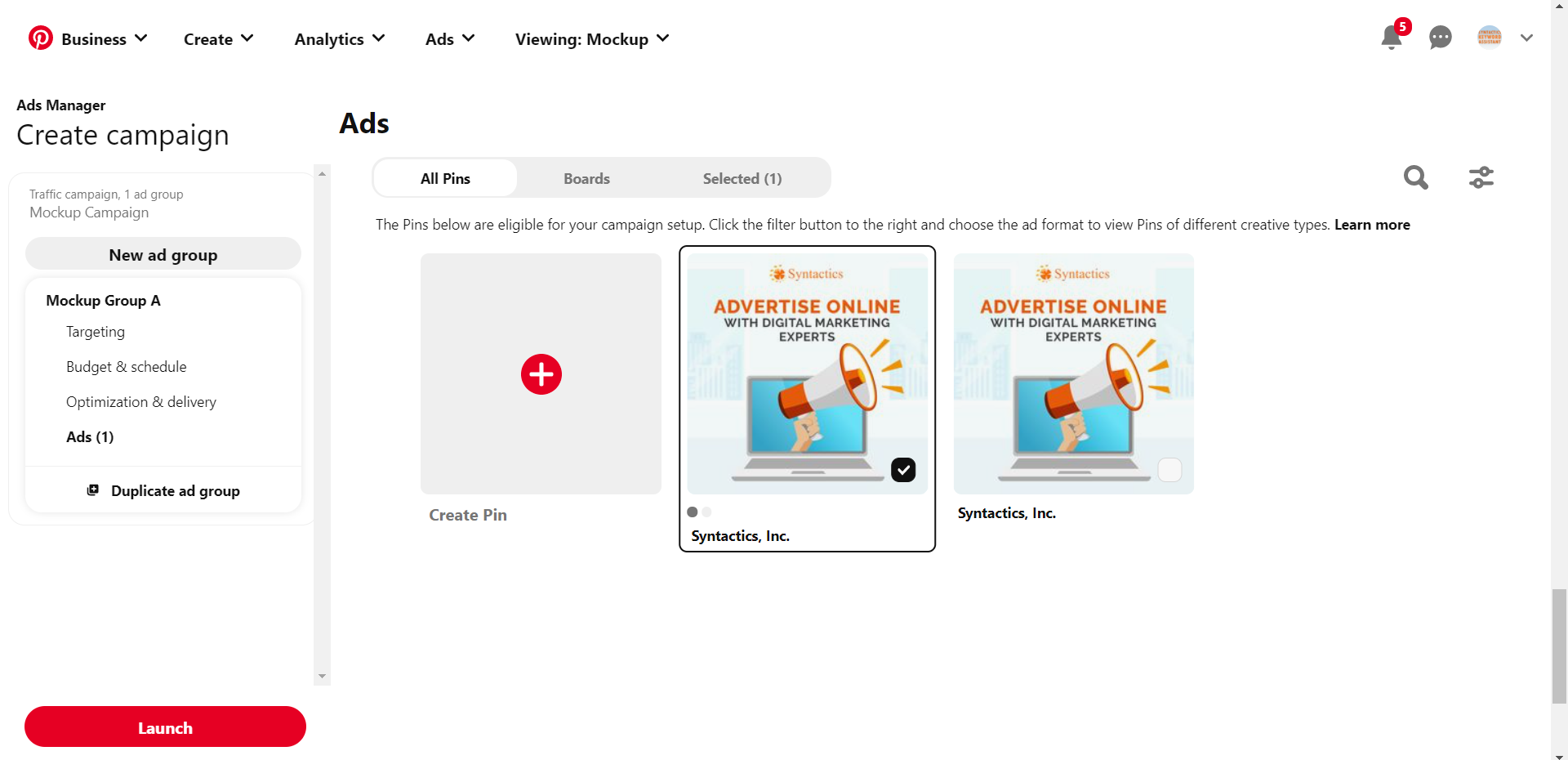
You can select a pin that you have used before or create a new one. Additionally, use tools like Adobe or Canva to create visually compelling pins.
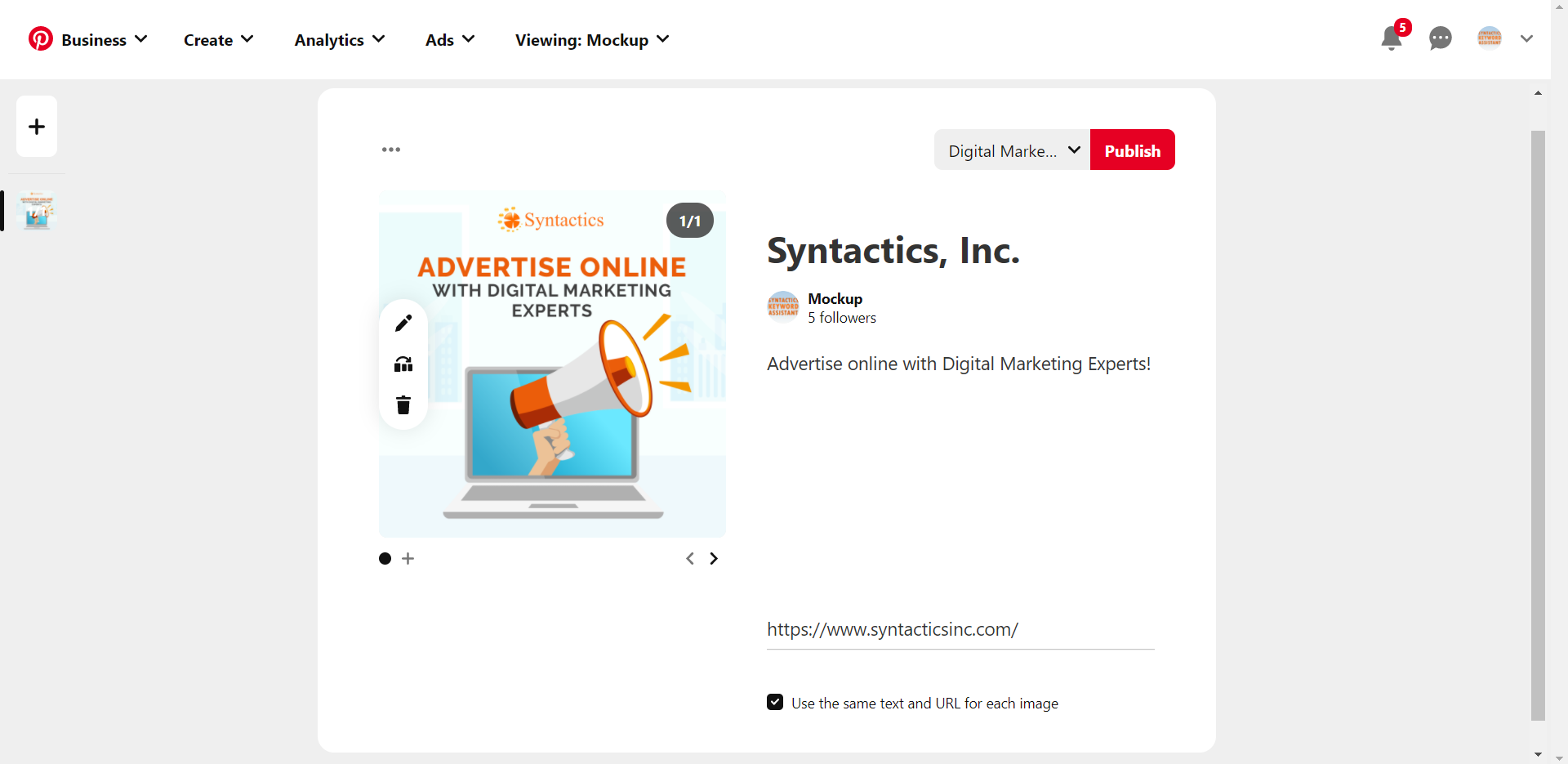
Then, assign each pin with a name and a URL. It’s also essential to include product catalog/collections pins for e-commerce campaigns when relevant.
10. Monitor Campaign Performance
Measure how your campaign is doing, click on Analytics from the Pinterest Ads Manager dashboard. Then, you will see an overview of all the campaigns and their corresponding key metrics, such as total clicks or impressions, engagement rate, the average earned and non-earned cost-per-impression, effective cost-per-click, and total spend.
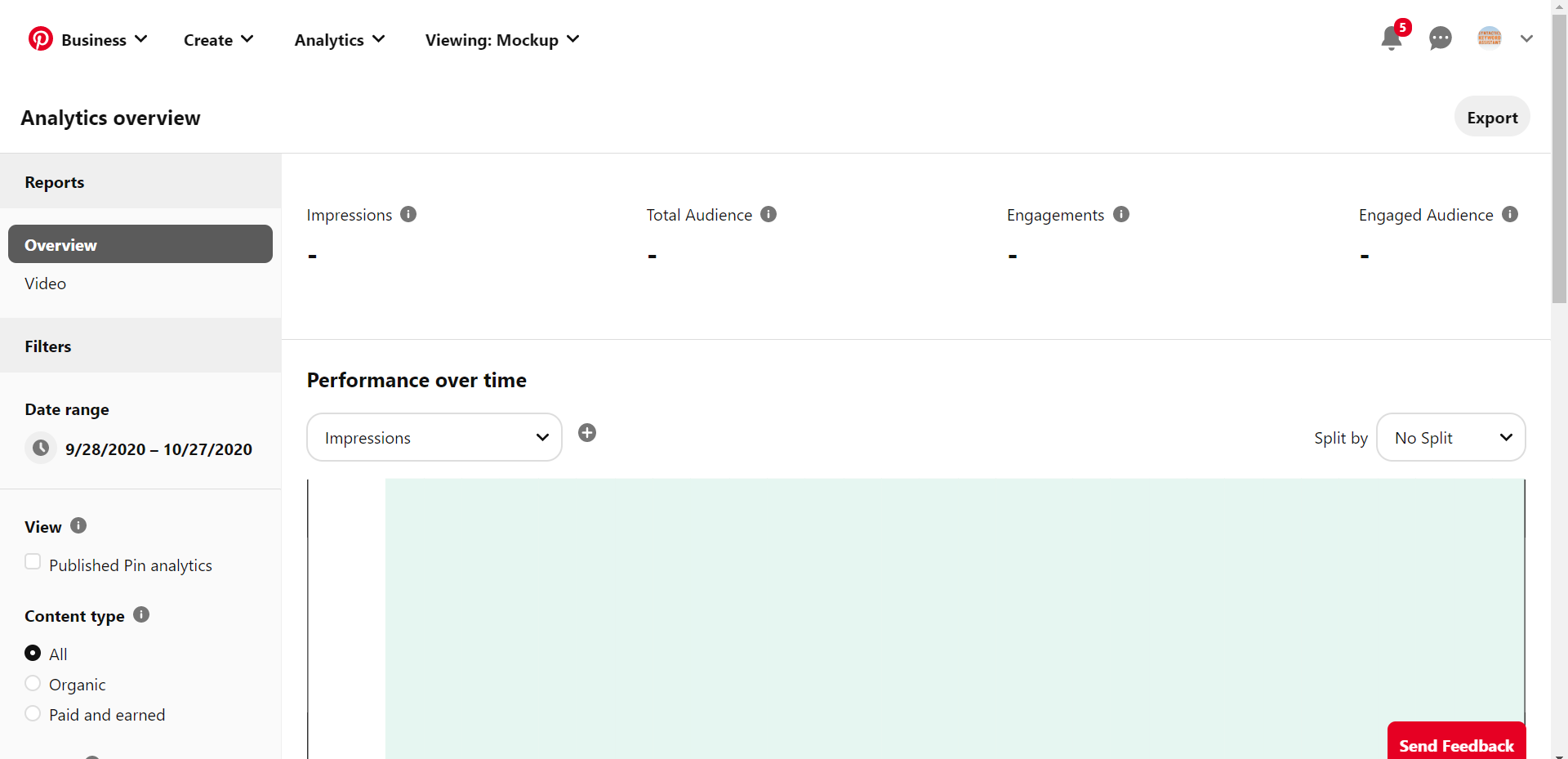
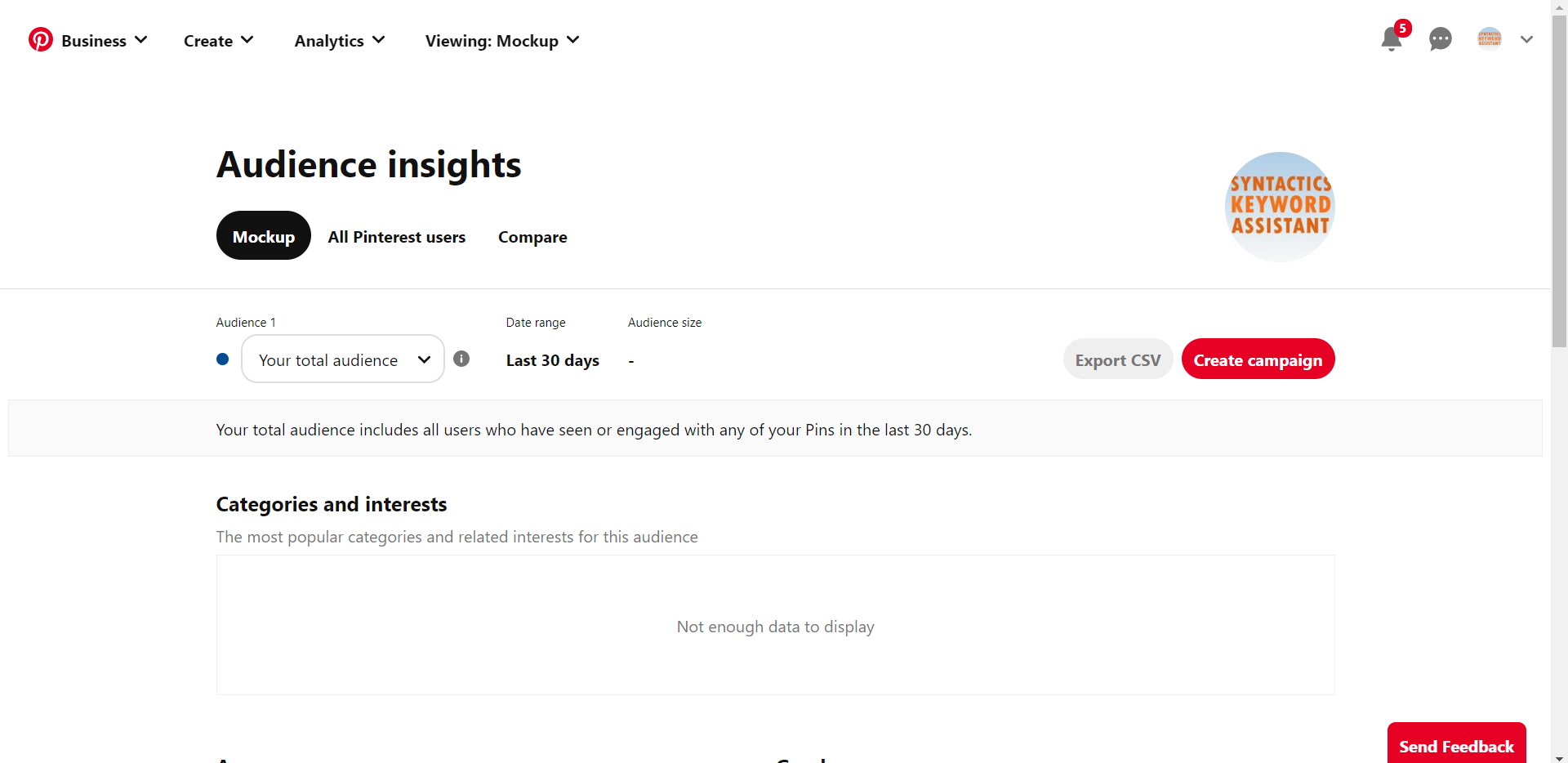
Under Analytics, you can also check for Audience insights to refine targeting and improve future campaigns.
Advertise on Pinterest with Expert PPC Campaign Management
Pinterest is a dynamic platform that allows businesses to showcase products, services, and ideas to a highly engaged audience. With its visual-first approach, your ads can capture attention, inspire action, and drive meaningful results.
By creating, monitoring, and optimizing your Pinterest ads strategically, you can reach the right audience, maximize performance, and keep campaigns aligned with your business goals. Targeting the right users, testing creatives, and tracking key metrics helps boost brand awareness, drive traffic, and generate consistent conversions.
Maximize results and save time by choosing professional PPC management services in the Philippines to handle your Pinterest ads efficiently and effectively.

This article was updated on January 30, 2026.
FAQs About Pinterest Ads
How much does it cost to advertise on Pinterest?
Pinterest ads use a bidding system. You can set daily or lifetime budgets, and costs depend on your target audience, ad type, and competition. Contact our PPC experts for a detailed quotation.
How do I target the right audience on Pinterest?
Use interests, keywords, demographics, devices, and retargeting audiences to ensure your ads reach the most relevant users.
Can I track performance for Pinterest ads?
Yes. Pinterest Ads Manager provides analytics on clicks, impressions, engagement rates, and conversion metrics to optimize your campaigns.

About Jalou Batilong
Related News:


9 Key Next.js Developer Skills You Need in Your Team


Comment 0