


Outsourcing to the Philippines in the Digital Era
Many businesses succeed by outsourcing to the Philippines for digital talent. This approach helps companies automate operations and quickly move into e-commerce. Skilled local teams also make data analytics easier. As a result, companies save money, deliver faster service, and understand their customers better.
Building on these digital advancements, the Philippines is now entering a major transformation with Republic Act 12254, known as the E-Governance Act. This law requires the government to fully digitize its systems within a set timeframe. The result is a more efficient, transparent, and connected public sector.
This legislative shift also presents new advantages for businesses. The E-Governance Act opens up more outsourcing opportunities, and faster government transactions mean less downtime for digital service providers. Companies that work and invest with local talent and adapt quickly will lead in this changing market.
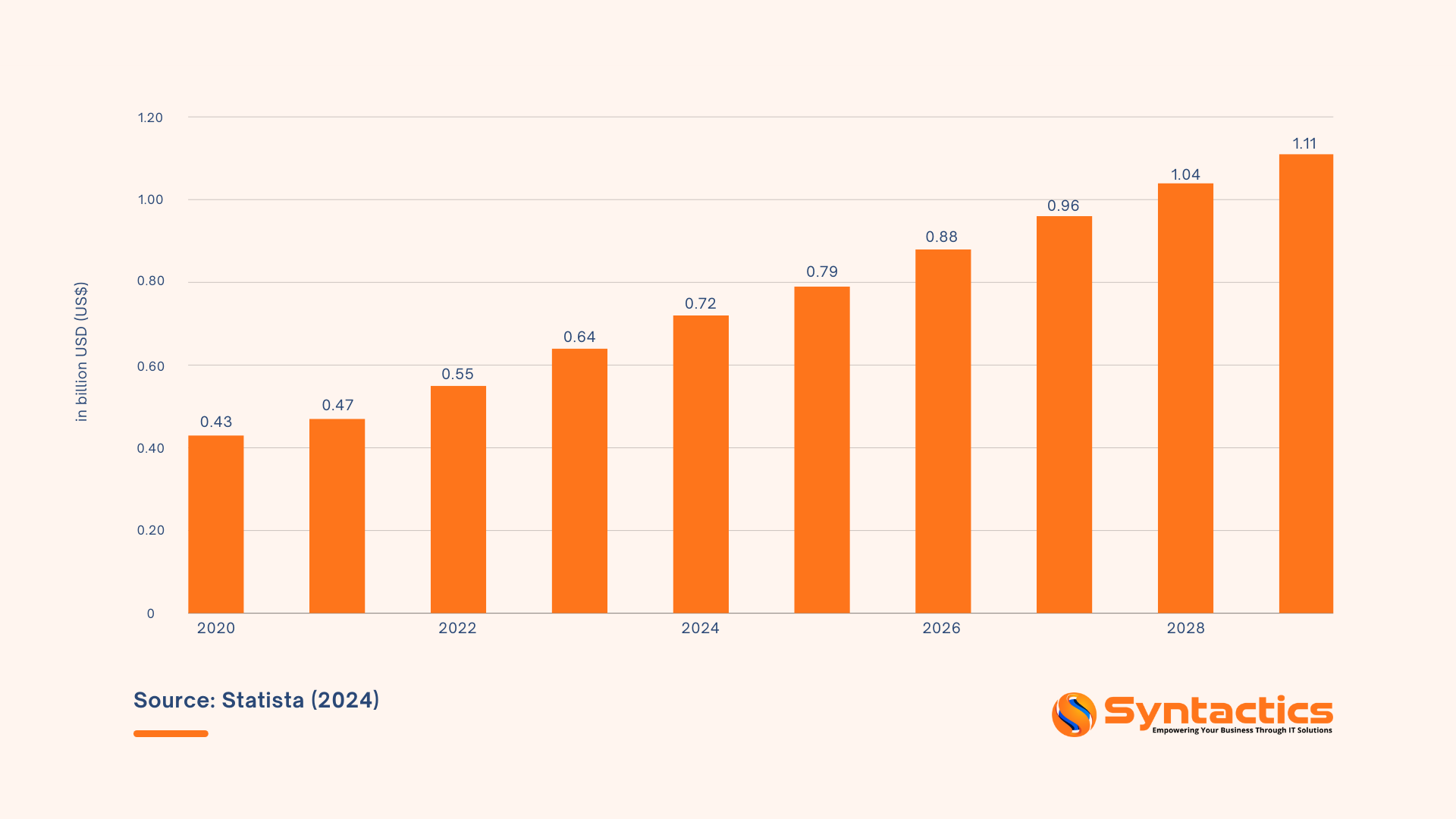
Source: Statista.
TABLE OF CONTENTS
Why It Matters for Businesses
Against this backdrop, the digital improvements from the E-Governance Act make outsourcing to the Philippines easier and more dependable. Businesses can now operate, handle transactions, and grow with fewer obstacles.
For businesses, this leads to clear operational and strategic benefits:
- Faster transactions and approvals: Digitized government services reduce processing time for permits and registrations. Outsourced teams face fewer delays in compliance and legal paperwork.
- Simplified compliance: Structured digital workflows improve transparency and make regulations easier to manage. Companies working with offshore teams spend less time on bureaucratic hurdles.
- Stronger digital infrastructure: Continued ICT investments support scalable platforms and reliable system integration. This creates a stable environment for remote teams and outsourced operations.
In summary, these government-driven changes make the business environment more predictable. Companies can move faster, face fewer regulatory hurdles, and access better digital infrastructure.
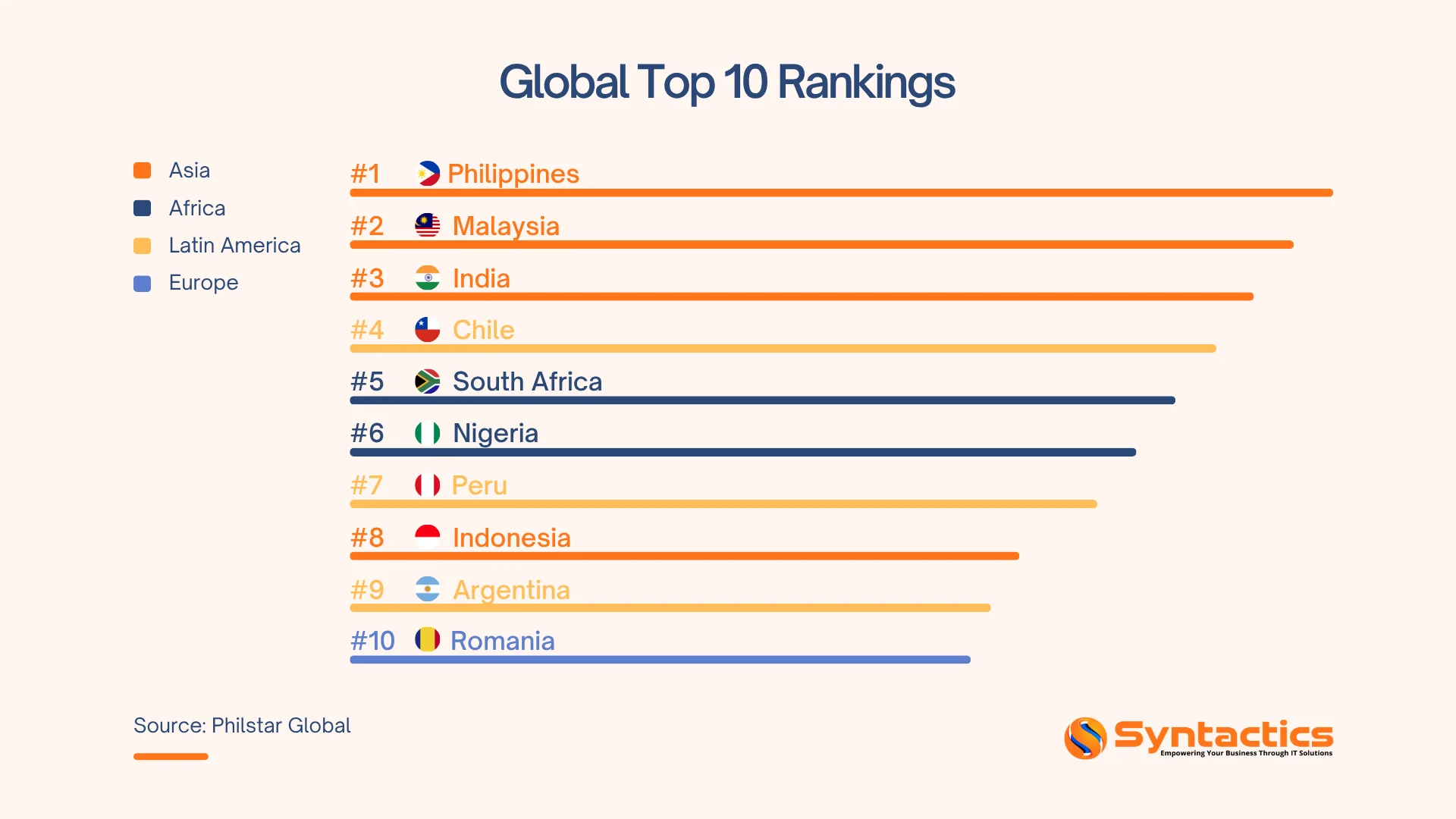
Source: Philstar Global.
The Expanding Digital Economy in the Philippines
The E-Governance Act not only streamlines government but also helps the private sector grow and gives businesses more reasons to outsource to the Philippines.
Key developments include:
Cloud computing, SaaS, and integrated platforms: Businesses rely on flexible systems that support remote collaboration and real-time data access. Offshore development teams integrate easily into these environments, improving delivery speed and scalability.
Booming eCommerce, fintech, and digital services: Digital transactions continue to rise across both consumer and enterprise segments. Companies working with Filipino tech talent can test, launch, and refine digital products in an active and growing market.
Stronger Public-private collaboration: Government agencies and private firms continue to invest in digital infrastructure. This improves connectivity, system reliability, and long-term support for distributed teams.
These trends make the business environment more stable and scalable. Companies can tap into skilled talent, use modern tools, and reach a market eager for digital solutions. For those building offshore teams, the Philippines offers both strong execution and room to grow.
Aligning IT Outsourcing with E-Governance Opportunities
Outsourcing can help companies meet the goals of the E-Governance Act. Here are some specific opportunities:
- Building government-ready digital systems: Develop interoperable web portals, APIs, and secure platforms. These must meet national cybersecurity standards.
- Supporting digital transformation initiatives: Create custom software to automate workflows. These solutions integrate seamlessly with e-government platforms.
Companies that outsource to the Philippines are well prepared for this work. Local professionals know the regulations and technical needs.
Navigating the Challenges in the Digital Era
There are many opportunities, but this transformation also brings challenges. Companies face three main hurdles when outsourcing to the Philippines under the E-Governance Act:
- Talent competition: Demand for skilled workers is rising fast. Successful companies partner with established offshore providers to secure top talent.
- Integration with government systems: New digital platforms require technical alignment. Experienced local teams understand the requirements of RA 12254.
- Data privacy and security risks: Interconnected systems increase exposure to threats. Companies implement global standards and follow local regulations to protect information.
A Strategic Framework for Success
To succeed under the E-Governance Act, businesses need a clear plan. Companies that outsource to the Philippines usually follow three main steps:
1. Audit digital readiness
Look at your current systems, workflows, and any skill gaps. Find out which processes need automation or updates. This review shows where outsourcing can have the greatest impact.
2. Align with national initiatives
Ensure your systems align with e-governance frameworks and RA 12254 standards. Build solutions that connect easily with government digital portals. This helps avoid compliance delays and keeps your operations ready for the future.
3. Build a hybrid workforce
Mix in-house leadership with outsourced work. Local Filipino teams can handle development, analytics, and support, while your own staff focuses on strategy, governance, and client relationships. This approach gives you flexibility, saves money, and builds resilience.
Final Thoughts
Digital transformation shapes how businesses compete and grow. It affects speed, efficiency, and long-term growth. Outsourcing to the Philippines helps you get things done faster. You can bring products to market sooner, tap into specialized talent, and build systems that grow with your needs. Staying in step with the country’s digital direction also helps you keep moving forward and avoid roadblocks.
Businesses like yours that move early, invest in the right capabilities, and execute with focus position themselves ahead of the curve. Work with a reliable partner such as Syntactics, Inc. to turn your plans into real results. The right team simplifies implementation and keeps initiatives on track. Being agile is key to success in this fast-changing environment.

Frequently Asked Questions
How much does it cost to outsource to the Philippines?
Costs depend on the role and experience. Entry-level IT staff usually earn about $10 to $15 per hour, while senior developers and specialists make up to $40 per hour. These rates are much lower than in Western countries, but you still get quality work.
Is outsourcing to the Philippines really worth it?
Yes, for most companies. You get skilled, English-speaking talent at good rates. The E-Governance Act has improved digital infrastructure and cut down on red tape. Faster permits and stable systems make outsourcing easier and more reliable than ever.
What tasks should I outsource to the Philippines?
Start by outsourcing software development, cloud management, data analytics, or cybersecurity. Customer support and back-office work are also good options. Choose tasks that fit Filipino teams’ strengths, like technical skills, English fluency, and a strong work ethic. Begin with one area, then add more as you go.










Comment 0