


React, Next.js, Node.js: The Architecture Behind Scalable Apps
React, Next.js, and Node.js have become the go-to stack for building scalable software that actually performs. This full-stack development trio solves what businesses care about most: speed, SEO, scalable backends, and maintainable code.
- React crafts responsive interfaces that users expect.
- Next.js enables server-side rendering for faster load times and better search visibility.
- Node.js powers APIs and real-time features at scale.
Businesses succeed not just by spending more but by adopting smarter architecture. Custom software built with React, Next.js, and Node.js lets you scale intelligently, avoiding repeated rebuilds as growth demands more.
That’s not just efficient engineering but strategic business planning that turns your platform into a lasting competitive asset.
TABLE OF CONTENTS
Understanding the Stack: React, Next.js, Node.js
The true power of this architecture isn’t just in the individual technologies, but in how they integrate seamlessly to address full-stack challenges. By using React, Next.js, and Node.js together, your development team solves problems that would otherwise require multiple frameworks and complex integrations, directly streamlining workflow and reducing overhead.
React: Component-Based UI Architecture
React is more than just a library; it’s a modular frontend architecture. Its component-based model allows you to build once, reuse everywhere, and test in isolation. For enterprise apps managing complex state across dozens of views, React’s unidirectional data flow and virtual DOM (Document Object Model) eliminate cascading update issues common in traditional architectures.
Why it matters: React’s mature ecosystem, pre-built components, and extensive tooling reduce development time, support rapid iteration, and scale development teams efficiently.
Next.js: The Production-Ready Framework Layer
Next.js turns React into a full web app architecture. It handles routing, data fetching, rendering optimization, and API endpoints, areas React intentionally leaves unopinionated. Features like Server-Side Rendering (SSR), Static Site generation (SSG), and Incremental Static Regeneration (ISR) come built-in with intelligent defaults.
Architectural advantage: File-based routing and API (Application Programming Interface) routes simplify structure and backend integration. Edge runtime and automatic code splitting ensure global users get consistently fast experiences, turning performance into a competitive edge.
Node.js: Unified Backend Runtime
Node.js brings JavaScript to the server with an event-driven, non-blocking model. It efficiently handles concurrent connections, which is ideal for APIs, microservices, and real-time features.
Strategic value: Shared logic and models across frontend and backend reduce errors common in polyglot stacks. While CPU-intensive tasks may require specialized tools, Node.js scales horizontally for most business-critical server tasks with minimal complexity.
How They Work Together
React handles client-side interactivity, Next.js pre-renders pages for speed and SEO, and Node.js powers the API layer and server logic. Their integration creates a unified codebase and predictable data flow, making deployment pipelines simpler.
As a result, your development team quickly delivers impactful features through an architecture where integration inherently supports scalability and future evolution.
Why This Architecture Is Essential in 2026
User expectations now require instant load times, cross-device reliability, and SEO visibility. Applications that fail lose engagement immediately.
This architecture meets modern expectations by default. Performance, scalability, and flexibility are built into the foundation, allowing businesses to focus on growth instead of constant technical remediation.
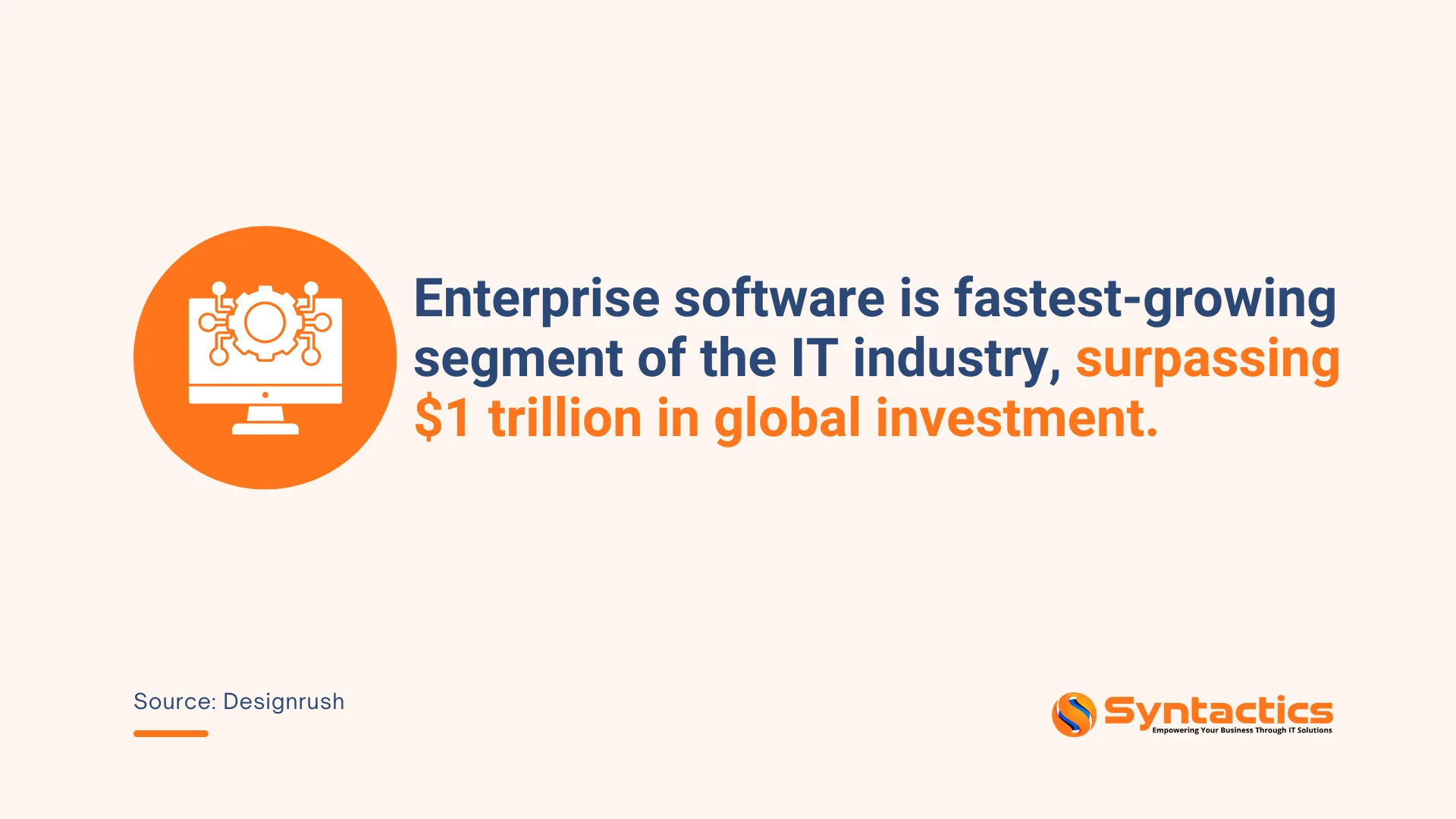
Source: Designrush.
What’s Driving Adoption
Enterprise SaaS needs to support thousands of concurrent users with role-based permissions and responsive interfaces. This stack handles that complexity natively without custom workarounds.
E-commerce platforms require both fast load times and strong discoverability. Slow checkouts kill conversions. Invisible products eliminate traffic. The architecture optimizes for both simultaneously.
Global applications face regional performance demands, localization requirements, and compliance rules. Modern frameworks treat these as core features, not expensive add-ons.
Built to Evolve
Requirements change. The question is whether your architecture can adapt quickly. React, Next.js, and Node.js receive continuous improvements from massive communities. Applications built on this foundation inherit those advances automatically.
Legacy systems force different tradeoffs, such as mounting workarounds, fragmented experiences, and scaling through infrastructure rather than better code. Technical debt eventually compounds faster than feature development.
A Strategic Choice
Choosing this stack in 2026 is a business decision. You’re selecting an architecture that scales with revenue, adapts to new markets, and supports future product directions that don’t exist yet. The alternative, which is fighting your own infrastructure as you grow, is expensive in ways that don’t appear in initial development estimates.
Thus, the architecture you choose today determines which opportunities you can pursue tomorrow.

Business Advantages of a Scalable Full-Stack Architecture
This architecture delivers advantages that extend beyond performance gains. It simplifies development, reduces long-term risk, and supports business growth without forcing architectural resets.
1. Performance and SEO Built In
Speed and discoverability are foundational, not add-ons. Pages load fast, content is indexable by default, and first impressions are optimized before users interact. The result is stronger visibility, lower bounce rates, and better engagement without ongoing performance firefighting.
2. Unified Development Language
Using JavaScript or TypeScript across the entire stack reduces friction between teams. Shared logic, validation, and data models eliminate translation gaps, accelerate development cycles, and improve consistency across the application lifecycle.
3. Scalable Backend with Node.js
As traffic and feature demands grow, the backend scales without introducing complexity. High-concurrency workloads, APIs, and real-time interactions remain responsive, supporting growth without requiring parallel systems or architectural rewrites.
4. Integrated Routing and API Management
Routing and backend endpoints live within the same architecture, simplifying application structure. Fewer moving parts mean clearer ownership, easier maintenance, and faster feature development, especially as applications grow in size and complexity.
5. Optimized Code Delivery
Only what’s needed is delivered, when it’s needed. Efficient bundling and delivery strategies keep applications fast even as feature sets expand, ensuring performance remains consistent as complexity increases.
6. Flexible Rendering Strategies
Different parts of the application can be rendered in different ways based on business needs. This flexibility allows teams to balance speed, interactivity, and scalability without forcing one rendering approach across the entire platform.
7. Global-Ready by Design
Applications are prepared for global audiences from the start. Performance remains consistent across regions, while localization and regional requirements integrate cleanly into the architecture, avoiding costly retrofits later.
8. Strong Ecosystem and Long-Term Maintainability
A mature ecosystem supports sustainable development. Proven libraries, established patterns, and long-term community support reduce risk and ensure the architecture remains viable as the product and team evolve.
These advantages compound over time. As your platform grows, the architecture enables faster iteration, seamless scaling, and lower maintenance, so teams prioritize business value over technical debt.
Best Use Cases for Scalable Full-Stack Software
React, Next.js, and Node.js deliver maximum value when scalability, performance, and flexibility are core business priorities.
This stack is particularly effective for:
- Custom SaaS platforms and enterprise portals that evolve continuously
- SEO-driven or performance-sensitive applications, such as eCommerce sites and content-heavy platforms
- Real-time, high-concurrency systems, including dashboards, booking platforms, and collaboration tools
It’s also ideal for businesses planning for growth, such as adding features, expanding to new regions, or integrating additional services, without costly rewrites. By unifying frontend and backend development, this architecture reduces technical debt and keeps expansion predictable.
In summary, this stack delivers reliable performance today and scales seamlessly for tomorrow, turning technical choices into business strengths.
How to Avoid Common Full-Stack Mistakes
Even a powerful stack like React, Next.js, and Node.js can underdeliver if misapplied. Here’s how to get it right:
- Use the Stack for the Right Projects: This architecture is designed for scalable, complex web applications. Avoid using it for simple static sites or single-page brochures; doing so adds unnecessary complexity and cost.
- Ensure Your Team Has the Right Skills: Full-stack development requires expertise in React, Next.js, and Node.js patterns. Invest in skilled developers to prevent stalled projects and technical debt.
- Consider Mobile and Offline Needs: While the stack excels in web apps, native mobile apps, and other online platforms, offline-heavy platforms may require complementary frameworks or solutions.
- Plan for Growth, Not Just Launch: The stack supports scalability, but proper infrastructure, monitoring, and deployment strategies are essential to fully realize its potential.
Takeaway: Align your business goals, application complexity, and team capabilities before choosing this stack. Avoiding these mistakes ensures your full-stack investment drives performance, efficiency, and long-term growth.
Build Scalable Software That Grows With Your Business
React, Next.js, and Node.js form a powerful full-stack architecture that lets you build custom software that scales. By unifying frontend and backend development, this stack ensures fast performance, reliable functionality, and maintainable code from day one.
For businesses, this means creating platforms that adapt as you grow, supporting new features, higher traffic, and evolving market needs without costly rewrites or technical bottlenecks. You can now focus on delivering business value, not patching infrastructure or juggling multiple technologies.
Choosing this architecture for your custom software projects ensures your platform isn’t just functional but a strategic asset. Build smarter, scale faster, and turn software into a long-term advantage for your business.
Syntactics, Inc. is a leading custom software development agency based in the Philippines, delivering scalable, high-performance solutions that drive business growth and long-term digital success.

FAQs About React Next.js Node.js
Why should I choose React, Next.js, and Node.js for custom software?
This stack delivers fast, maintainable, and SEO-friendly applications. It unifies frontend and backend development, making scaling, iteration, and feature expansion easier.
What types of applications work best with this architecture?
Enterprise SaaS, eCommerce platforms, real-time dashboards, marketplaces, and content-heavy apps benefit most due to scalability, performance, and SEO advantages.
How much does it cost to build software using this stack?
Costs vary based on project complexity, features, integrations, and timelines. Typically, full-stack solutions are an investment that delivers scalable, long-term value. Get in touch with our experts for a free assessment and quotation.

About Xenia Labis
Related News:




Conversion Rate Optimization: Avoid These Mistakes









Comment 0