


WordPress SMTP: Its Importance and Setup Guide
Configuring WordPress SMTP can significantly improve the accuracy and reliability of emails sent from a WordPress website.
Simple Mail Transfer Protocol (SMTP) is a standard protocol used for sending and receiving emails online. It transfers messages from a sender’s email client or server to the recipient’s mail server, helping ensure reliable email communication.
Accurate email delivery is essential for maintaining effective communication with your users. It also allows you to time your emails strategically to improve open rates and engagement—an important factor for websites that handle customer inquiries or support requests.
Reliable email delivery also strengthens your website’s credibility and overall user experience. For eCommerce websites, properly configured WordPress SMTP settings help ensure order confirmations, account notifications, and other important emails reach customers without delays or delivery failures.
How WordPress SMTP Helps Email Sending Accuracy
WordPress SMTP plays a vital role in modern email communication. It facilitates the exchange of messages between servers, ensuring that emails from your website are transmitted and delivered to the correct recipients. With billions of emails sent daily, proper SMTP WordPress configuration helps ensure your messages reach the intended users. 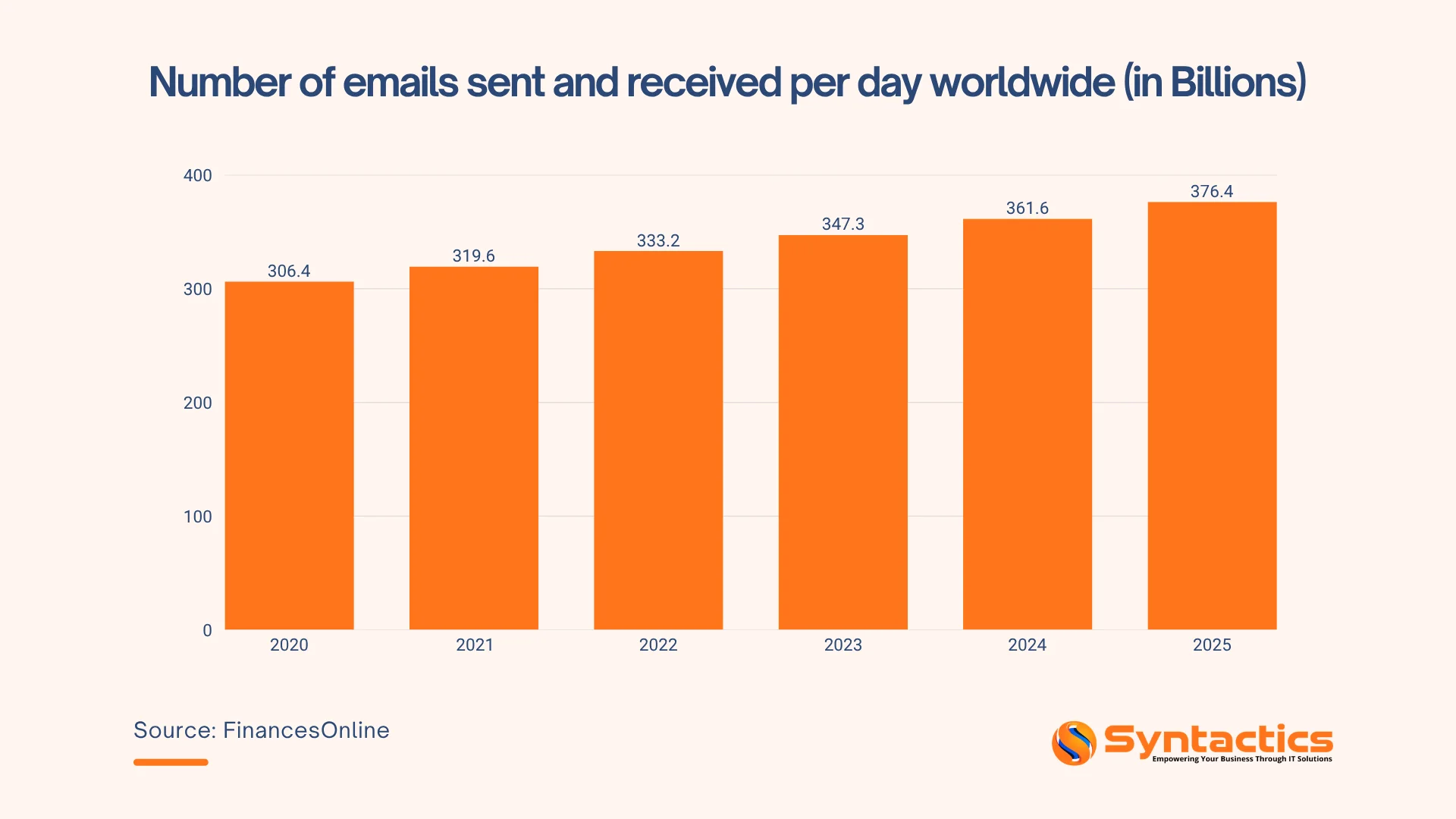
Source: FinancesOnline.
It’s important to note that SMTP focuses on email delivery, not email retrieval from a server. Even with correctly configured WordPress SMTP settings, some emails may occasionally land in recipients’ spam folders.
This is because email providers handle spam filtering independently. Once a message is delivered, SMTP has limited control over how it’s classified. Still, configuring WordPress SMTP correctly greatly improves the chances that most emails reach your audience.
Setting up the right WordPress SMTP settings during configuration makes email delivery from your website more accurate, reliable, and consistent.
What Can WordPress SMTP Do to Help Your Business?
Properly configuring WordPress SMTP ensures your website emails are delivered reliably, authenticated securely, and integrated seamlessly with email clients.
Email Message Routing
WordPress SMTP ensures that emails sent from your website are properly routed between servers. When you send a message to a WordPress user, your email client communicates with your server via SMTP to transfer the email to the recipient’s server.
Additionally, SMTP handles this in a series of steps, exchanging commands and responses to guarantee the proper handover of each email.
Reliable Delivery
Properly configured SMTP WordPress settings improve email reliability. SMTP establishes a connection between the sender and recipient servers, authenticates the sender’s identity, and manages delivery errors to ensure messages reach their destination.
Authentication
SMTP verifies the email sender’s identity, helping prevent unauthorized access, email spoofing, and spam. Using a WordPress SMTP plugin simplifies this process and ensures your emails are authenticated correctly.
Integration with Email Clients
Email clients and mobile apps rely on SMTP to send outgoing messages. They use the SMTP settings you provide to connect to the server and transmit emails. Common email clients include:
- Microsoft Outlook
- Apple Mail
- Mozilla Thunderbird
- Claws Mail
The Benefits of Setting up WordPress SMTP
Accurate email delivery as a result of using SMTP is vital for the following reasons:
Communication with WordPress Website Users
SMTP WordPress ensures seamless communication between your WordPress site and its visitors. With proper configuration, you can reliably send email notifications such as:
- Account activations;
- Password resets;
- Subscription updates;
- Order confirmations, etc.
Ensures Greater User Engagement
Reaching your audience consistently is crucial for engagement. With WordPress SMTP settings correctly configured, emails like welcome messages, newsletters, promotional offers, blog updates, and event invitations are more likely to reach recipients, avoiding spam folders and increasing interaction.

Source: Oberlo.
Establishes Professionalism and Credibility
Prompt and reliable email delivery improves your website’s reputation and builds trust with customers. Undelivered or spam-marked emails can harm your brand’s credibility, while consistent communication signals professionalism.
Ensures Timely Delivery of Transactional Emails
For eCommerce or membership websites, transactional emails such as order confirmations, shipping updates, and receipts are essential. Proper WordPress SMTP setup ensures these critical messages reach customers, enhancing satisfaction and User Experience.
Avoids Spam Filters
Configuring WordPress SMTP settings helps prevent emails from being marked as spam, increasing the likelihood that recipients see and open your messages.
Assists with Customer Support
Reliable email delivery is critical for support-related communication. Customers often reach out via email for inquiries or assistance, and proper SMTP configuration ensures timely responses, improving overall customer experience.
Setting up WordPress SMTP correctly is essential for any website owner who wants accurate email delivery, better engagement, and a professional, trustworthy brand presence.

How to Setup SMTP in WordPress
The best method for SMTP setup involves plugins. Here’s how to set up Simple Mail Transfer Protocol in WordPress using the WP Mail SMTP Plugin by WPForms:
Step 1: Install and Activate Your Desired SMTP Plugin:
First, install and activate the WP SMTP plugin in the WordPress dashboard. You can upload the WP SMTP plugin’s files to your server or get it from the plugin repository.
Step 2: Configure your WordPress SMTP Settings
After activating the plugin, you can configure the WP Mail SMTP settings.
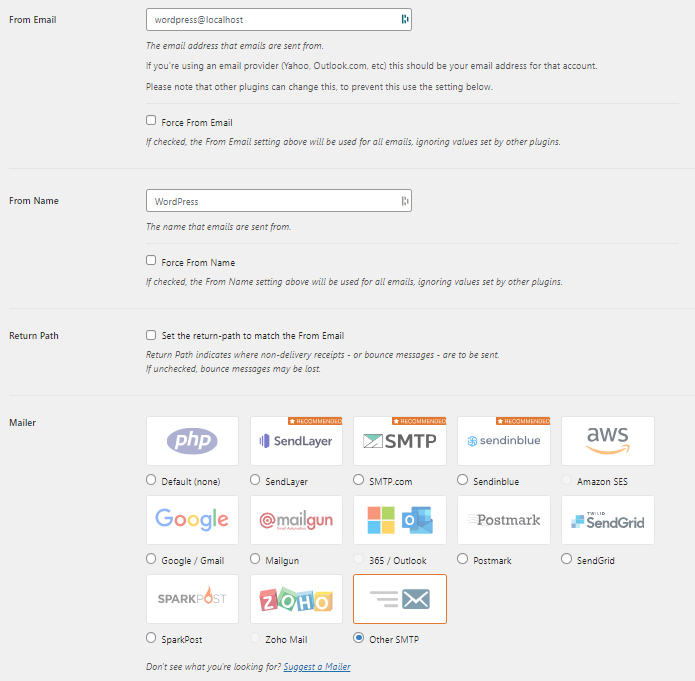
So, click the Settings tab and enter the following details:
- “From” Email — the email address used to send your WordPress emails
- “From” Name — the name used to send the emails;
- Return Path — tick the box to get successful delivery notifications or bounced emails; and
- Mailer — select ‘Other SMTP’ since you’re sending emails using your host’s SMTP server. You can also opt to use third-party mailers.
Step 3: Provide Details About the SMTP Server
After selecting Other SMTP, you must provide the SMTP server details.
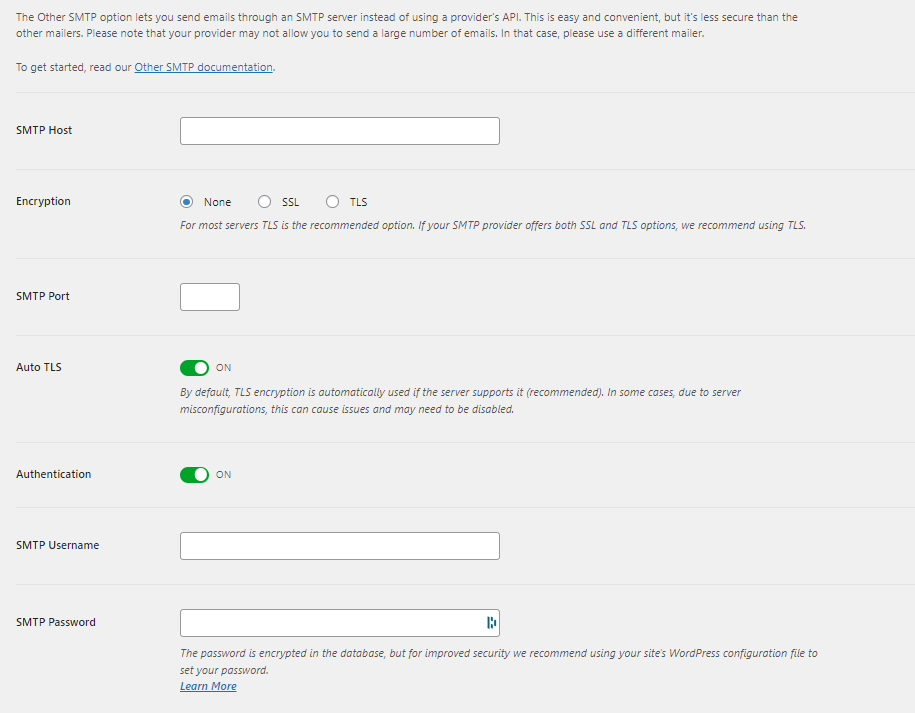
You can get these details from your email service or hosting provider:
- SMTP host — the host address provided by your hosting provider (common ones include Gmail, Mailgun, SendGrid, etc.);
- Encryption method — this will be used by your server to send email messages;
- SMTP Port number — or the port used by your outgoing mail server. SMTP generally operates on port 25. But, if you’re using the encrypted variant, SMTP Secure or SMTPS, you must use port 587.
- Auto TLS — you should set this to On.
- Authentication — you must also set this to On.
- SMTP Username; and
- SMTP Password.
Step 4: Enter the Authentication Credentials
After providing SMTP server details, enter your authentication credentials. These are the name and password associated with your email, which you can use to log into your email account.
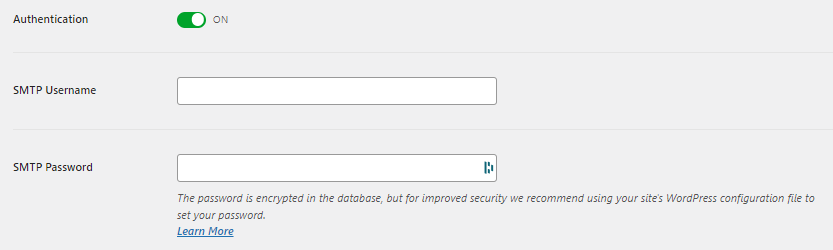
Lastly, don’t forget to ensure you previously specified the “From” name and email address for outgoing emails! After all, the name and email will be what your recipients see when they receive your message.
Step 5: Test Email Delivery
Many SMTP plugins have a feature for testing email delivery.
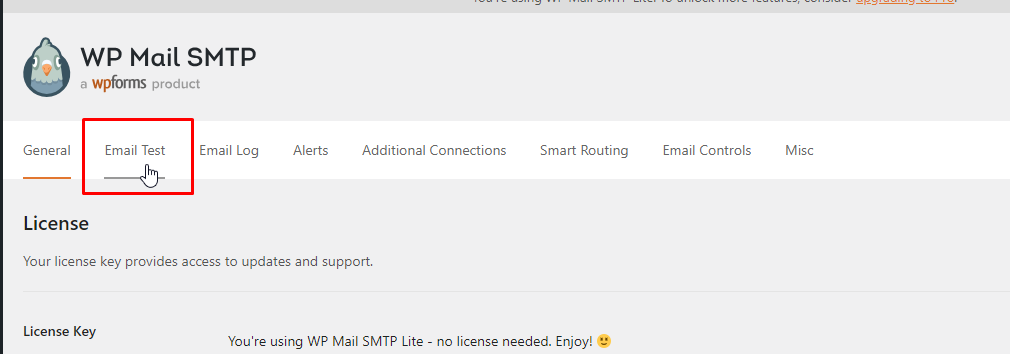
Once you have finished the WordPress SMTP setup process, you can send a test email.
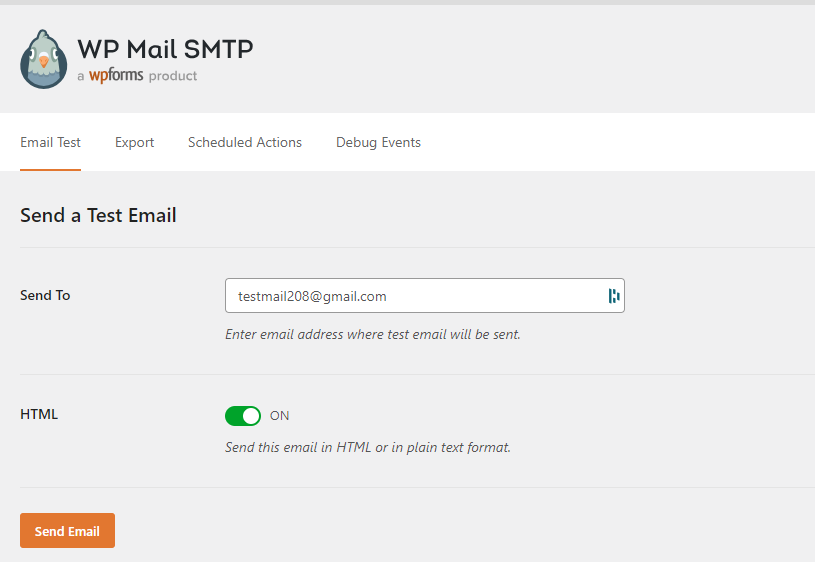
Verify if it was delivered successfully and the recipient has received the test email in their inbox. Also, you can install the Email Log plugin to test the actual form submission if delivered.
You can save your progress once you’ve configured all WordPress SMTP settings.
After going through the WordPress SMTP setup process, your WordPress site can send email messages using the specified server. Thus, if configured perfectly, your WordPress website can improve email delivery accuracy.
Final Thoughts
Accurate email delivery is essential for any WordPress website, supporting:
- Effective communication with website visitors;
- Reduced chances of having emails marked as spam;
- Enhanced user engagement and User Experience;
- Greater website credibility; and
- eCommerce and customer support.
By configuring WordPress SMTP, you can greatly improve the reliability and accuracy of your site’s email delivery. The setup process generally involves:
- Firstly, install and activate an SMTP plugin;
- Next, configure SMTP settings via the WordPress dashboard;
- Then, provide SMTP server details like host, port, and encryption;
- Authenticate credentials and select the “From” name and address; and
- Finally, testing email delivery.
While these steps can be done independently, a professional WordPress Developer in the Philippines can set up SMTP efficiently, ensuring reliable email delivery every time.

This article was updated on March 26, 2026.
Frequently Asked Questions About WordPress SMTP
What is WordPress SMTP?
WordPress SMTP (Simple Mail Transfer Protocol) is a protocol that ensures emails sent from your WordPress website are delivered reliably and securely.
What is the best WordPress SMTP plugin?
Popular options include WP Mail SMTP, Easy WP SMTP, and Post SMTP, which simplify configuration and improve email authentication.
Will SMTP prevent my emails from going to spam?
Proper SMTP setup reduces the risk of emails being flagged as spam by authenticating messages, but email providers still handle spam filtering independently. Get in touch with our WordPress experts to learn more.

About Jalou Batilong
Related News:




The Ultimate Guide to ADA Compliance









Comment 0