


Best SEO-Friendly CMS for Your Website: Top Picks
In web development, the best SEO-friendly CMS platforms help businesses build and optimize websites while maintaining strong search visibility. Most use the PHP scripting language, an open-source technology that supports dynamic content, database management, and scalable web development.
However, not all offer the same level of SEO control, which is why choosing the right one directly impacts rankings, performance, and long-term growth. 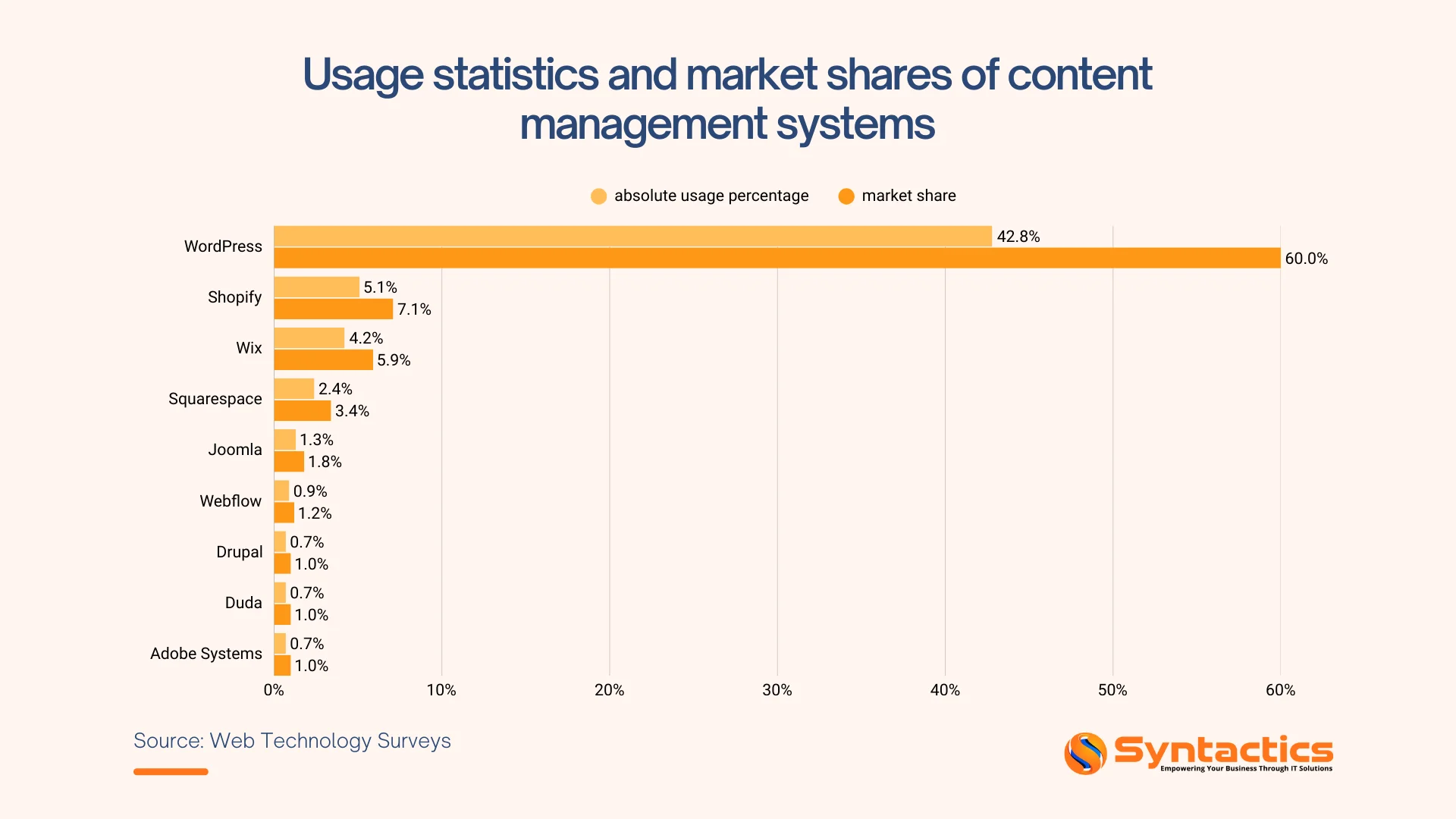
Source: Web Technology Surveys
The Importance of SEO-Friendly Content Management Systems
An SEO-friendly CMS gives your website a foundation to compete in search results. SEO is a cost-effective strategy that relies on structure, consistency, and long-term effort, not on high ad spend.
The right CMS enables businesses to create, manage, and optimize content to improve search visibility. SEO-friendly platforms simplify control over URLs, metadata, site structure, and internal linking—factors that influence rankings.
For small or growing businesses, an SEO-ready CMS maximizes organic traffic and conserves resources. As rankings improve, the CMS becomes a long-term asset for sustainable growth.
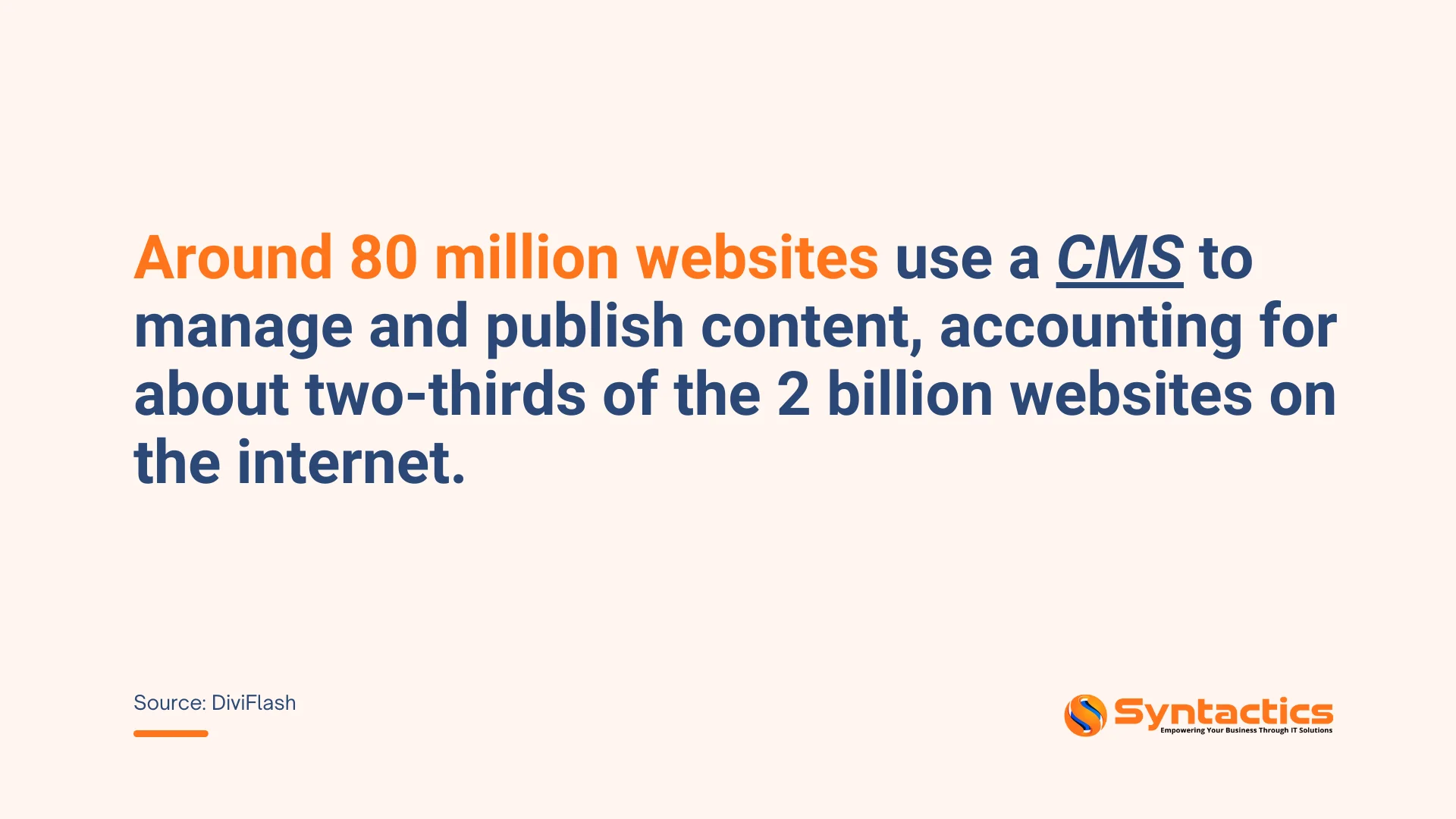
Source: DiviFlash.
Top Six Best SEO-Friendly CMS on the Internet
Many CMS platforms also serve as Website Builder Platforms, but the key difference lies in flexibility and control. A full-featured CMS offers deeper customization, advanced SEO settings, and greater scalability than most builders.
The best SEO-friendly CMS options enable businesses and developers to manage technical and on-page SEO elements more effectively. This includes URL structures and metadata, as well as site architecture and performance.
To help you evaluate your options, below are six CMS platforms that stand out for their SEO capabilities and long-term usability.
WordPress
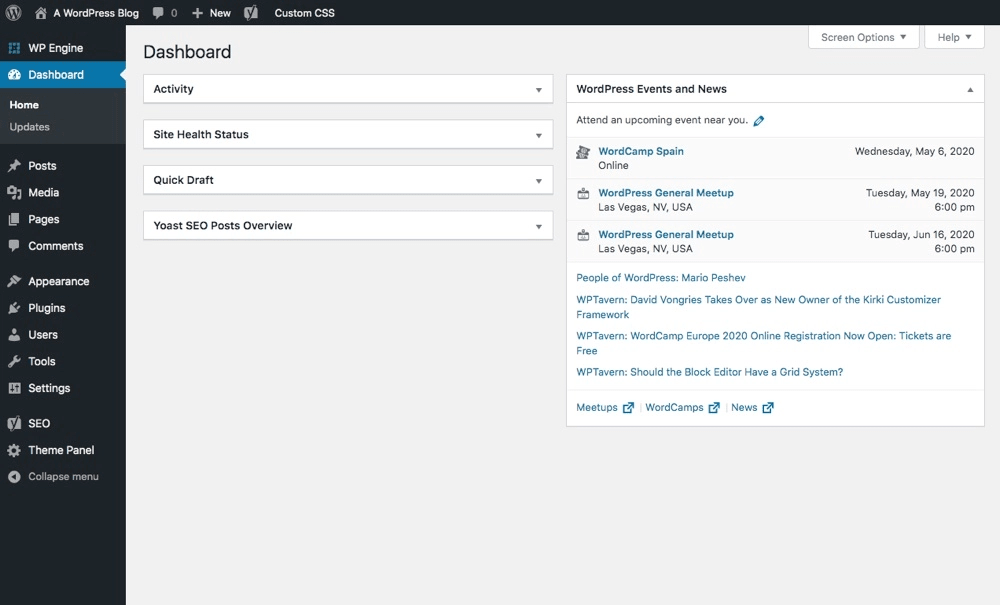
Source: WPExplorer.
WordPress is often top of mind when it comes to content management systems. Its intuitive interface simplifies publishing, while its flexibility supports sites of all sizes.
One of WordPress’s strengths is its ability to support multiple search forms, allowing users to improve navigation and content discoverability. It also offers several lightweight themes that help maintain fast load times—an important ranking factor for search engines.
WordPress lets you organize content with categories and tags, build custom navigation menus, and add blogs. However, its built-in SEO features are limited.
When paired with plugins like Yoast SEO, WordPress becomes a powerful SEO tool. It provides guidance on optimizing readability, keyword usage, internal linking, and other critical SEO factors. You can also customize SEO titles, meta descriptions, URL slugs, and redirects, as well as add alt text to images for better search visibility.
Magento
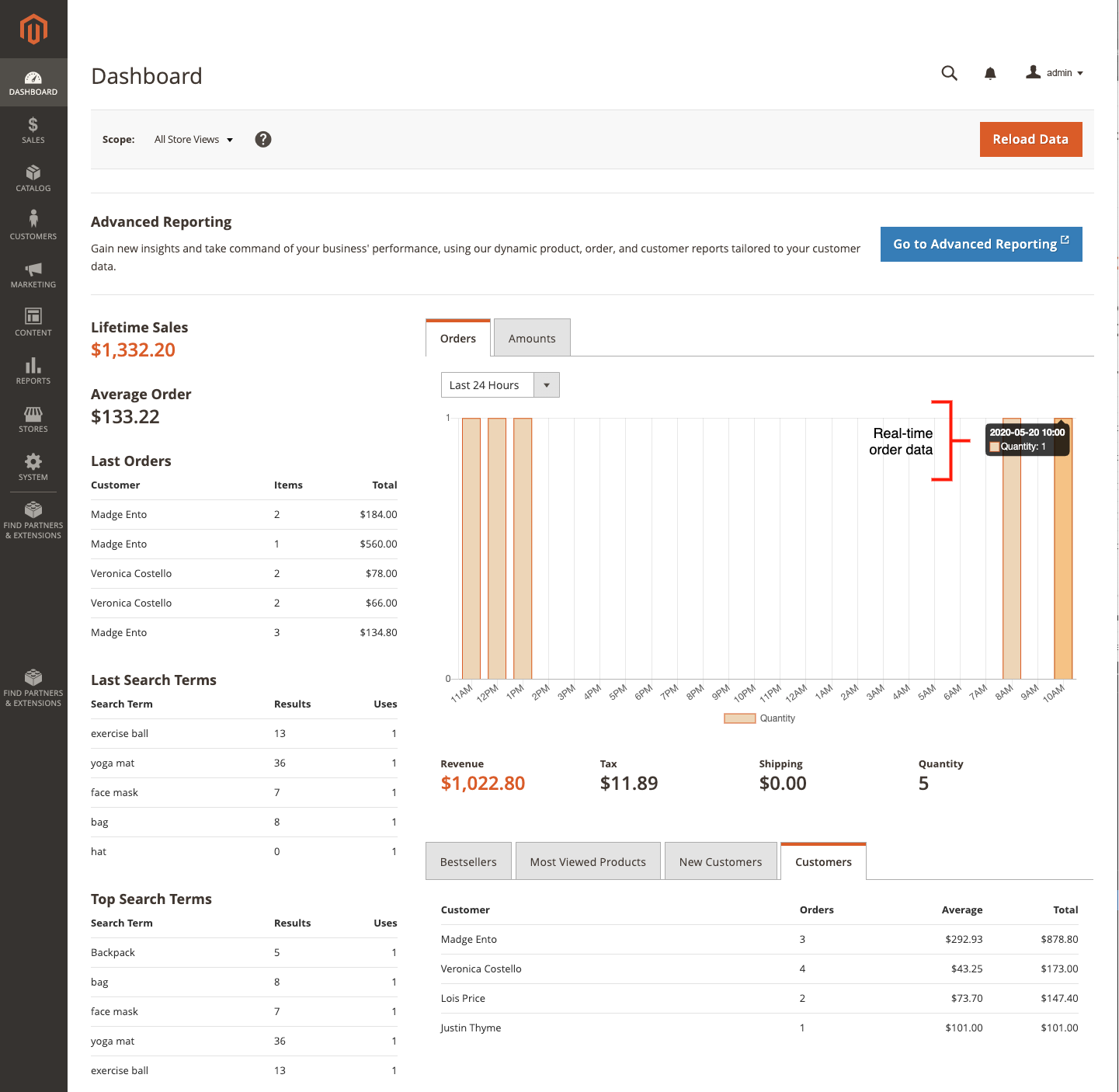
Source: Magento User Guide.
Magento is a robust CMS for eCommerce businesses needing customization and control. It prioritizes user experience and offers features like SEO extensions and advanced site management tools.
Magento is best suited for developers or users comfortable with coding, as full optimization requires technical knowledge. With Magento, you can manage:
- URLs and canonical tags;
- Caching and redirects (301 and 302);
- CSS files and JS files.
You can edit title tags, meta descriptions, and image alt text to improve search visibility. Magento generates XML sitemaps and manages robots.txt files for correct indexing. It offers mobile-friendly themes and design enhancements—both crucial for SEO and user experience.
Wix
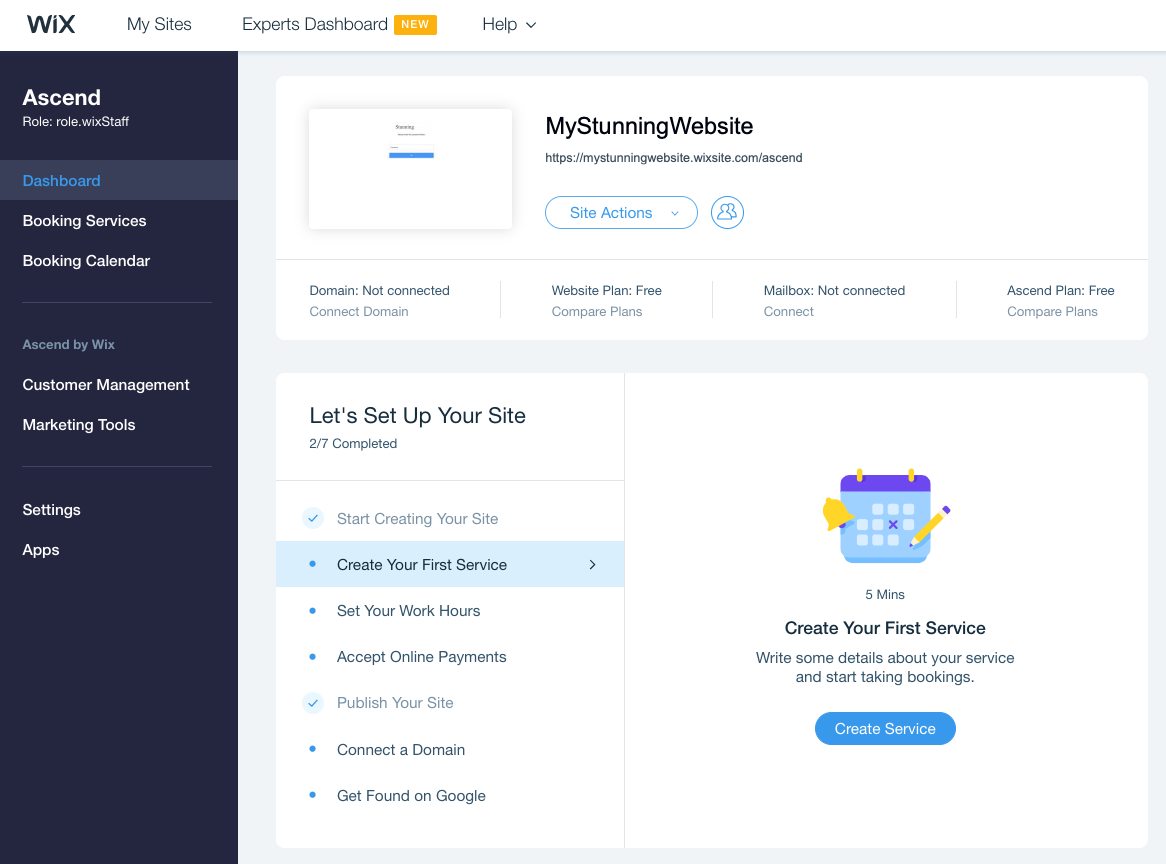
Source: WhatConverts.
Wix is user-friendly and ideal for small businesses or those with minimal coding experience. Its drag-and-drop editor simplifies website creation, though its advanced features are more limited than those of platforms like WordPress or Magento.
Despite this, Wix includes essential SEO tools. You can optimize URLs, title tags, meta descriptions, and image alt text, while its SEO Wiz guides users through improvements to boost search visibility. Wix also allows scheduling posts and managing basic content, making it easier to maintain an optimized website without extensive technical knowledge.
For smaller businesses looking for a quick setup with SEO support, Wix offers an accessible, cost-effective solution.
Joomla
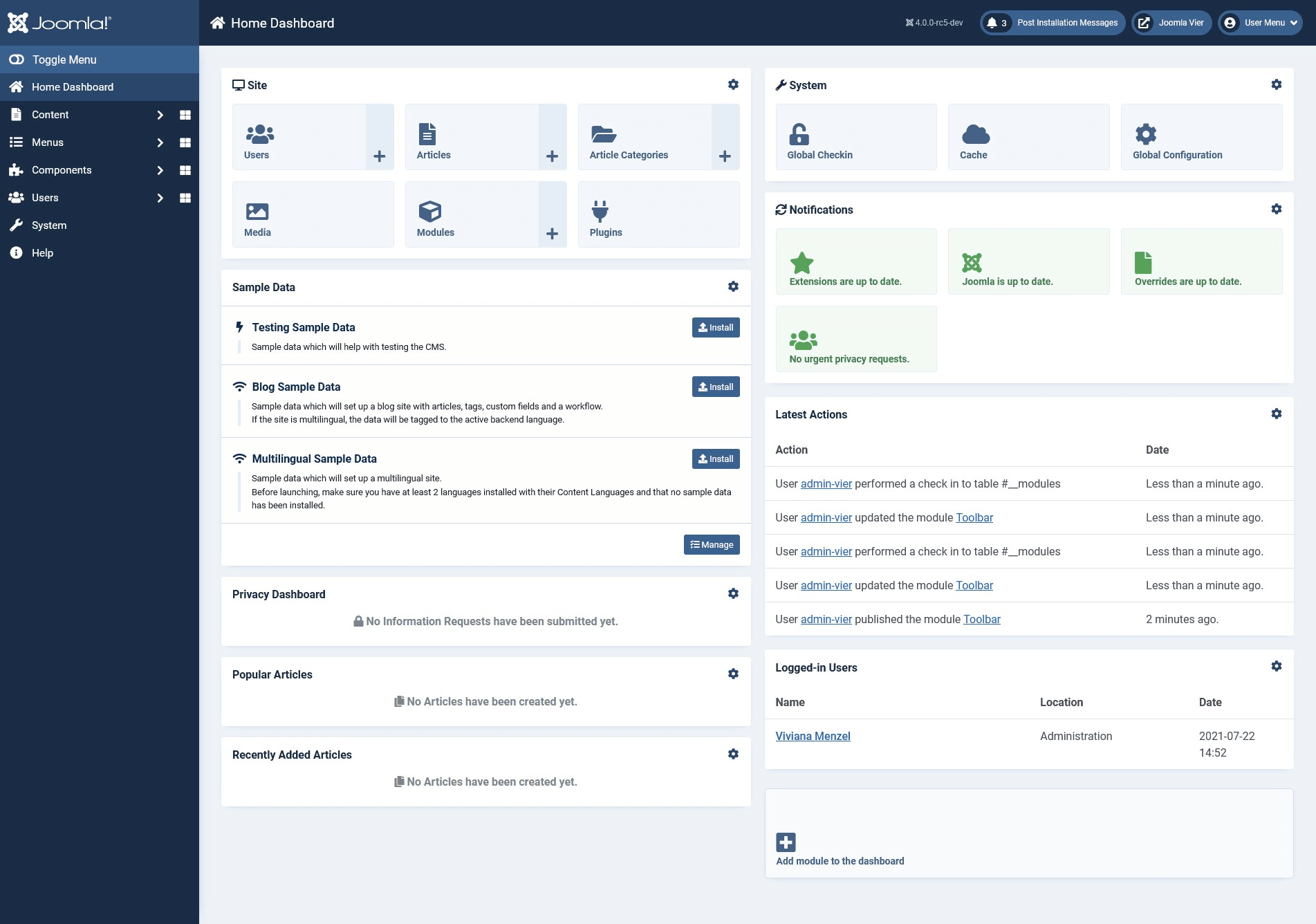
Source: Joomla Community Magazine.
Joomla is a flexible CMS balancing user-friendliness with advanced functionality. It’s ideal for medium- to large-sized websites that need structured content and strong SEO.
Out of the box, Joomla supports mobile-friendly design, URL optimization, headings, and meta descriptions. Additional SEO control is available through third-party extensions, which allow you to fine-tune site structure, manage duplicate content, and optimize images for indexing.
Joomla offers more flexibility than Wix, but is more complex and best for sites with multiple pages or advanced needs.
Drupal
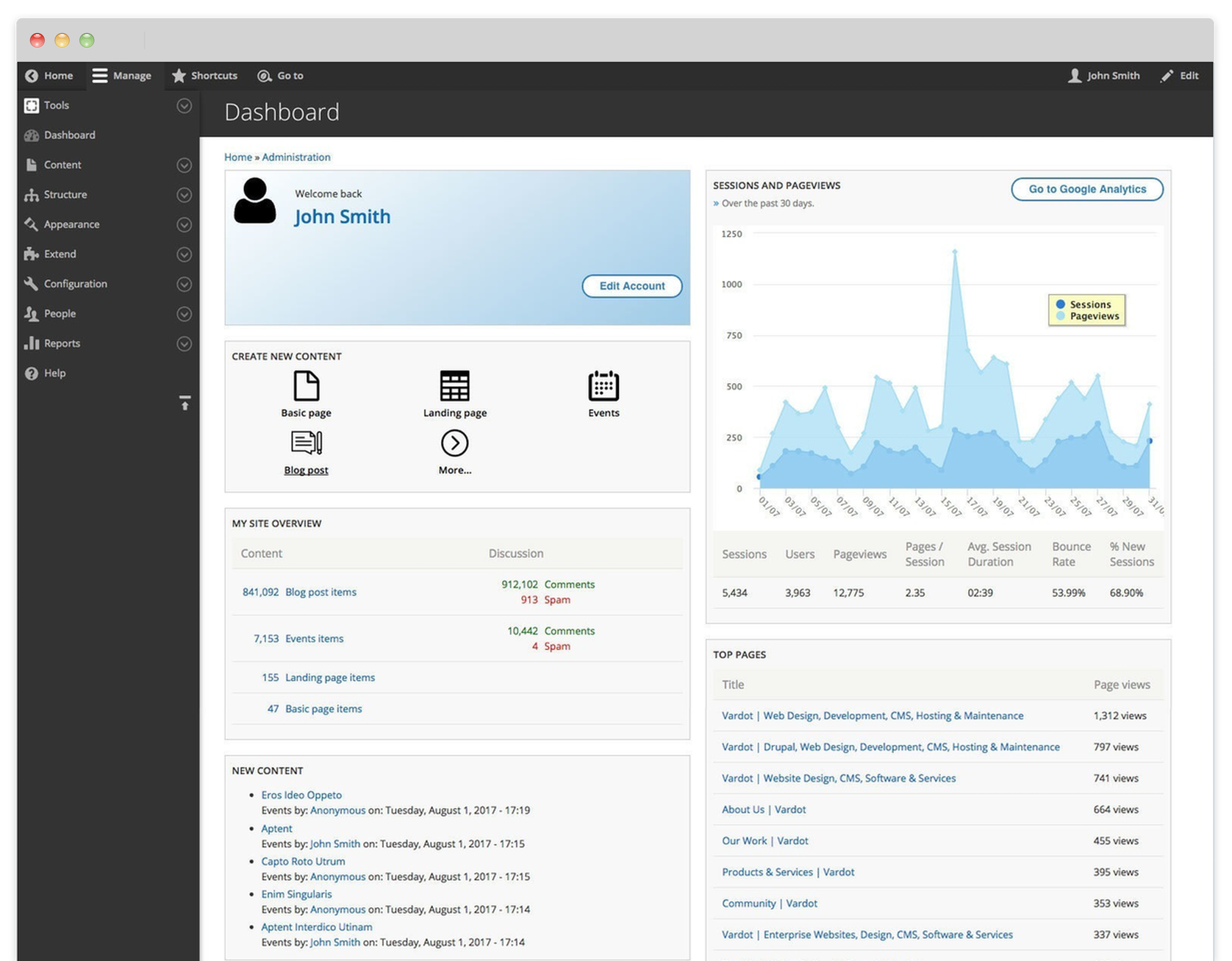
Source: Drupal.
Like WordPress and Joomla, Drupal is open-source and well-suited for large or complex sites. Its robust architecture enables highly customized, SEO-friendly websites.
With modules like the Rewrite module, Drupal lets you optimize URLs, title tags, meta descriptions, headings, and image alt text. While powerful, Drupal’s advanced features can be challenging for beginners, so technical expertise or developer support is often recommended.
Drupal is ideal for websites with extensive content or many pages, where precise SEO control and site structure are critical to search performance.
Shopify

Source: CompareCamp.
Shopify is a CMS designed for eCommerce businesses, making it ideal for merchants looking to scale online. Known for expanding business horizons, Shopify enables store owners to manage products, customize layouts, and optimize their online presence with minimal technical expertise.
Shopify lets you edit title tags, meta descriptions, alt text, and headings, though URL slugs are auto-generated and may need adjustment. Canonical tags are set automatically, but review them to ensure accurate SEO. Shopify is simpler than Magento, but periodic SEO tweaks may be needed to maximize rankings.
For small to medium-sized online stores, Shopify offers a balance of ease-of-use and SEO functionality, helping businesses grow efficiently.
At present, Shopify has over 2.8 million live stores running on the platform.

Source: Store Leads
Additional Content Management Systems to Consider
Besides the top six, other SEO-friendly CMS platforms may fit your website needs:
Webflow: A design-focused CMS that outputs clean, semantic code, giving full control over meta tags, URLs, headings, and alt text. Great for designers and content-driven sites that prioritize SEO and performance.
Duda: A CMS and website platform designed for agencies, SMBs, and client sites. Includes built-in SEO tools, schema markup, and responsive design, making it ideal for service-based and local businesses.
Squarespace: Beginner-friendly platform with CMS features. Supports SEO basics like URLs, meta tags, and alt text, best for small businesses or portfolios.
Adobe Systems: Best for Adobe users, this CMS integrates seamlessly with Creative Cloud and offers strong SEO capabilities, including sitemaps, redirects, and URL management.
Each platform serves different purposes, so choose based on site type, scale, and SEO goals.
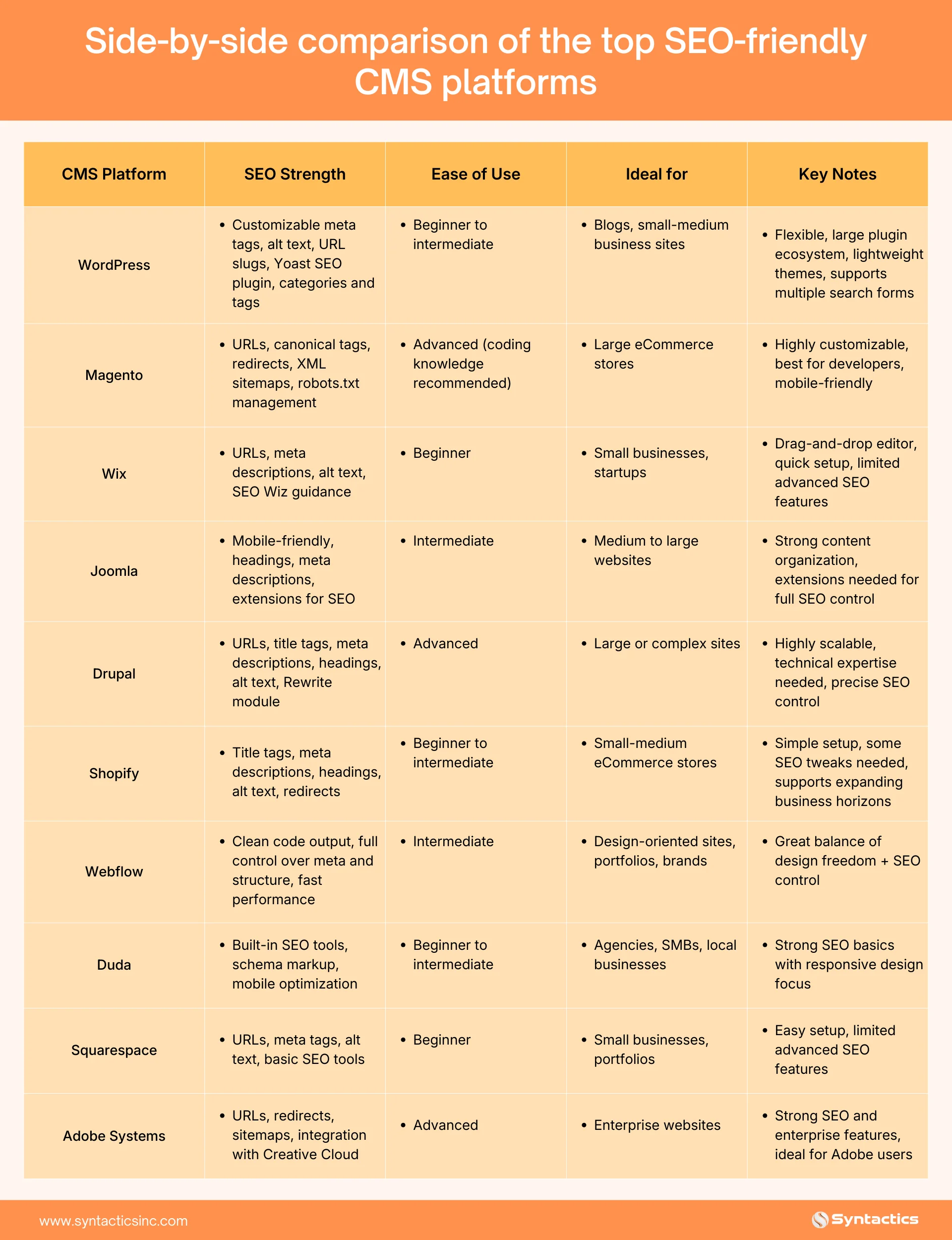
The table below provides a side-by-side comparison of the top SEO-friendly CMS platforms, highlighting their SEO features, ease of use, ideal use cases, and key considerations.
Conclusion
Choosing the best SEO-friendly CMS ensures your website is optimized for search engines, easy to manage, and scalable as your business grows. Whether you prioritize flexibility, ease of use, or advanced features, selecting the right CMS helps improve rankings, streamline content management, and support long-term growth.
For expert guidance and services, professionals in web design and development in the Philippines can help you select and implement the CMS that best fits your website and business goals.
Get Design and Functionality
Specific to your Brand!
- Build a website that's mobile-friendly and responsive.
- Custom designs aligned with your brand.
- Optimized for SEO and user experience.
- Scalable and feature-rich solutions.

This article was updated on January 22, 2026.
FAQs About Content Management System
What is the best SEO-friendly CMS for beginners?
For beginners, WordPress and Wix are the most accessible. They feature intuitive interfaces and built-in SEO tools, plus plugins like Yoast SEO to optimize content without advanced knowledge.
Which CMS is best for eCommerce SEO?
Magento and Shopify are best for eCommerce. Magento offers full customization and technical SEO, while Shopify provides ease of use with key features for small- to medium-sized stores.
Can a CMS alone guarantee high search rankings?
No CMS guarantees top rankings. An SEO-friendly CMS provides tools and structure, but rankings depend on quality content, backlinks, site speed, and your SEO strategy. Get in touch with our web development experts for consultation.

About Xenia Labis
Related News:



Maximizing Google Search Ads for Local Businesses


Learn the Five SEO Basics for Bloggers







Comment 0