

Google Ads Budget Mistakes That Drain Spend Without Producing Qualified Leads
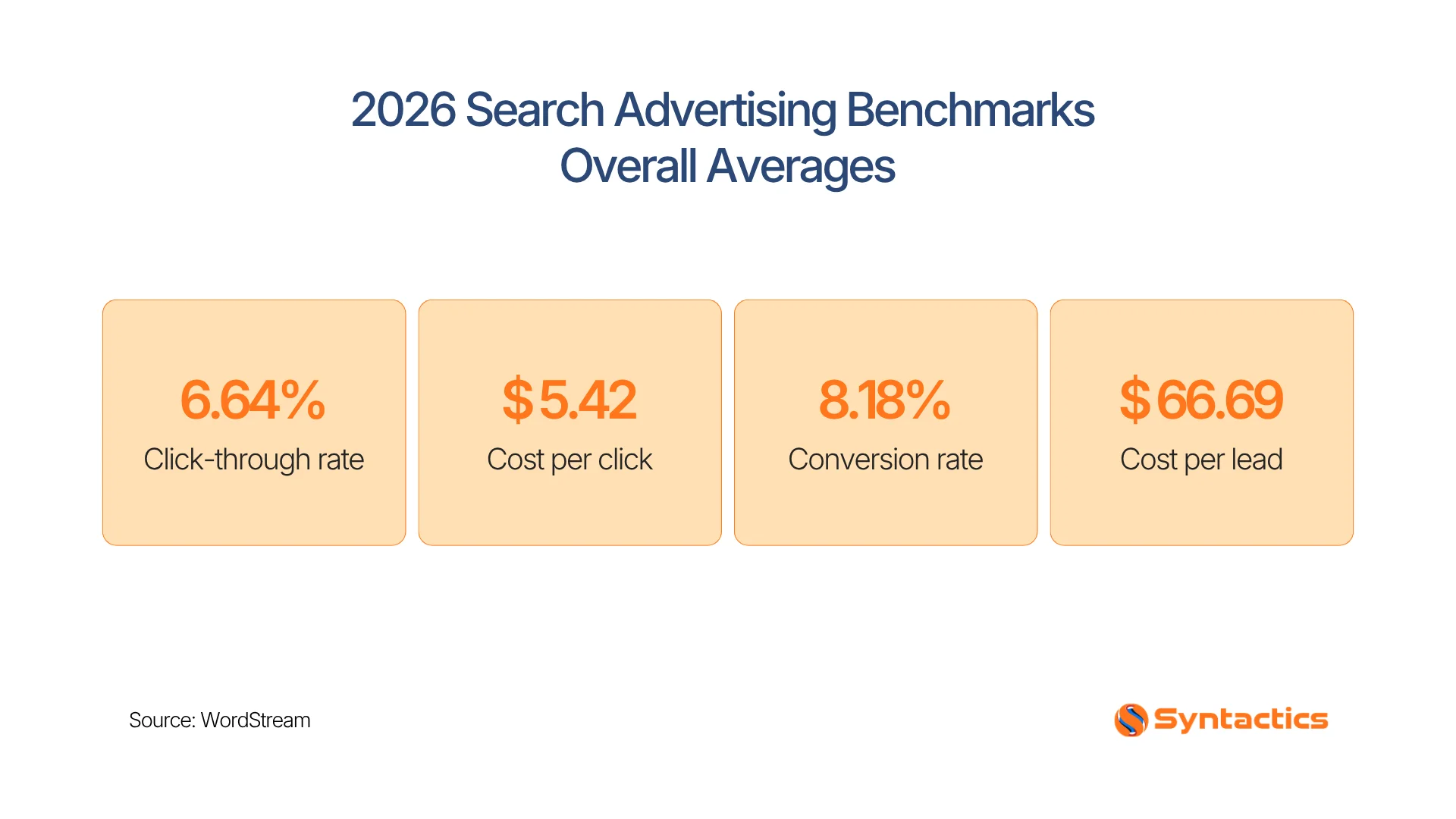
A Google Ads campaign can generate plenty of activity without producing enough business value. According to WordStream’s Google Ads Benchmarks 2026, the average conversion rate for search advertising campaigns is 8.18%. But performance varies significantly by industry, offer, targeting, and account structure.
To understand where your campaign is gaining or losing value, distinguish between the actions people take after seeing your ads. An impression means your ad was shown, while a click means someone visited after selecting it. A lead takes another step, such as submitting a form or calling your business. A qualified lead matches your target customer and has genuine potential to buy, while a customer has completed the desired transaction.
That distinction matters when you evaluate Google Ads optimization. If you track only impressions, clicks, or basic conversions, you may miss where valuable prospects drop off. This guide helps you diagnose where your budget loses value between the initial ad impression and the final business outcome.
Source: WordStream
Key Takeaways
- 60-75% of marketers said their current measurement approaches fall short on factors such as rigor, coverage, timeliness, trust, or efficiency (IAB).
- Optimize toward business outcomes, not traffic volume alone.
- Audit conversion tracking before changing automated bidding.
- Schedule regular Performance Max reviews instead of leaving campaigns unattended.
- Adjust budgets around demand, profitability, and operational capacity.
Mistake 1: Optimizing for Clicks Instead of Business Outcomes
Click-focused bidding can make sense when you need traffic, want to gather initial data, or have limited conversion history. The problem starts when clicks become the main definition of success for a lead-generation campaign.
This is because cheap or plentiful clicks don’t automatically indicate purchase or inquiry intent. Someone researching prices, looking for information, comparing options, or searching for employment may click an ad without becoming a viable prospect.
As such, your bidding strategy needs reliable conversion signals if you want automated optimization to move toward business outcomes. Define which actions actually matter, such as qualified form submissions, booked appointments, sales, or calls that meet your criteria.
Google Ads now lets advertisers track qualified leads and converted leads as separate goal types, helping you measure how leads progress from an initial interaction to qualification and eventually to a sale. This gives you a better basis for evaluating campaign performance than treating every conversion or click as equally valuable.
Mistake 2: Broken or Incomplete Conversion Tracking
Before changing bids or budgets, verify that Google Ads is receiving accurate information. Missing, duplicated, or incorrectly triggered conversions can make a campaign appear more successful or weaker than it actually is.
Check whether important actions are tracked once and only once. Review phone calls, form submissions, appointment requests, purchases, and other conversion events to confirm that each represents a meaningful customer action.
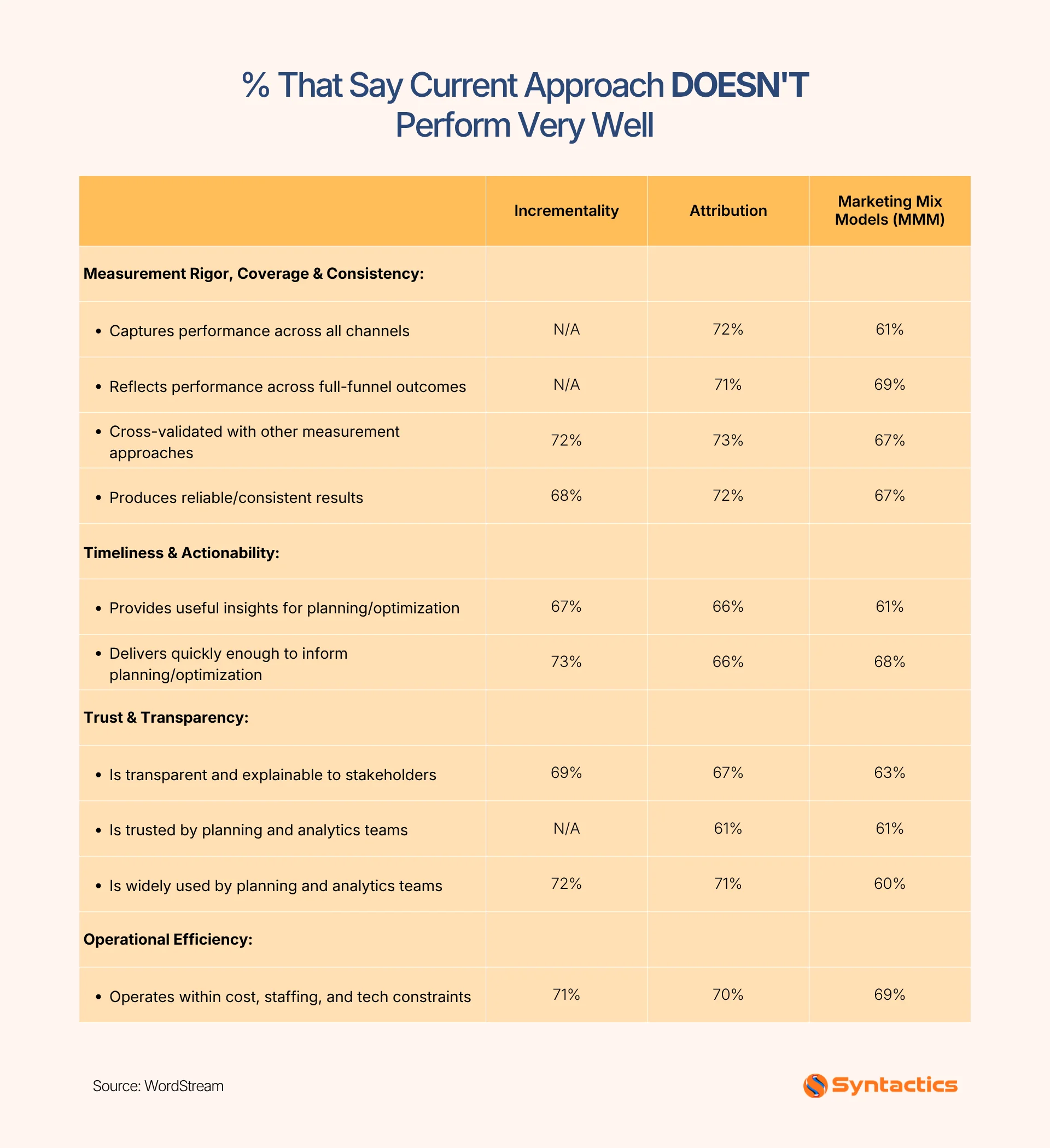
The importance of reliable measurement extends beyond Google Ads. The IAB’s 2026 State of Data report found that 60-75% of marketers said their current measurement approaches fall short on factors such as rigor, coverage, timeliness, trust, or efficiency.
Source: IAB
Use that as a reminder to audit your conversion setup before relying on campaign data for optimization. Imported goals also deserve scrutiny. An analytics event that helps you understand website engagement may not be appropriate as a bidding signal. If automated bidding treats low-value actions as successful conversions, it can learn to pursue more of those actions.
Offline conversion data can also matter for businesses that close leads through sales teams, phone calls, or physical locations. Google recommends offline conversion measurement to connect advertising activity with outcomes that happen outside the website.
Mistake 3: Broad Match Without Sufficient Controls
Broad match can help you discover relevant demand beyond the exact phrases you initially expect. It is not inherently wasteful, but it gives you less control over which searches can trigger an ad, making the quality of your signals and account controls more important.
Start by giving automated bidding meaningful conversion data. Then review search terms regularly, add negative keywords when irrelevant patterns appear, and use location controls that reflect where you actually serve customers.
Audience inputs can also provide useful context, while your landing page needs to match the intent behind the searches you want to attract. If the offer, ad message, keyword theme, and landing page point in different directions, additional traffic will not necessarily improve results.
Strong Google Ads optimization looks at how these elements work together rather than treating broad match as a standalone problem. A structured review can also help PPC ad management services focus on search quality and conversion value instead of simply increasing traffic.
Mistake 4: Treating Performance Max as a Set-and-Check-Later Campaign
Performance Max can automate targeting and placement across Google’s inventory, but automation does not remove the need for human review. According to Search Engine Land, Google Ads API v23 introduced channel-level reporting for Performance Max, giving advertisers more visibility into where campaigns generate results.
Use that visibility to review conversion data regularly, especially after changes to tracking, offers, landing pages, or CRM processes. Check asset group performance when enough data has accumulated and replace or improve assets that consistently underperform.
Set a recurring review schedule instead of waiting for performance to deteriorate. Sudden changes in lead quality, conversion volume, search behavior, or sales feedback can also signal that a campaign needs a manual look.
This type of ongoing review becomes especially useful when multiple campaigns, asset groups, and conversion actions make manual monitoring difficult. Experienced PPC management experts can help establish a review process that accounts for both platform data and feedback from your sales team.
Mistake 5: Using the Same Budget All Year
Google can adjust daily campaign spend around your average daily budget based on expected demand and available opportunities. Your monthly spending can consequently vary even when you keep the average daily budget unchanged.
That said, your business planning needs to account for more than that platform behavior. Build seasonal budgets around five factors:
- Historical performance: Identify periods when qualified leads and revenue have historically increased.
- Marginal return: Determine whether additional spending is still producing leads at an acceptable cost.
- Search demand: Watch for periods when your target customers search more or less frequently.
- Operational capacity: Make sure your sales team can handle additional inquiries without hurting response times.
- Lead profitability: Compare the expected revenue from additional qualified leads against the cost of acquiring them.
A higher budget makes sense when additional demand can produce profitable business. If your sales team is already at capacity or lead quality is falling, increasing spend may simply increase the number of inquiries that receive poor follow-up.

Mistake 6: Ignoring Relevance and Lead Quality
Your campaign can have acceptable click and conversion numbers while still producing weak business results. That is why you need to examine both ad relevance and what happens after someone becomes a lead.
Google describes Quality Score as a diagnostic measure based on expected click-through rate, ad relevance, and landing-page experience. It is not a complete account-performance score or a KPI you should maximize on its own.
Use those components to identify areas worth investigating. For example, low ad relevance can point to a mismatch between search intent and your ad, while a weaker landing-page experience can indicate the page doesn’t adequately meet expectations set by the ad.
Then move beyond the Google Ads interface. Check for spam inquiries, duplicate submissions, missed calls, incomplete CRM handoffs, unresponsive prospects, and leads that never become revenue.
With that in mind, HubSpot’s 2026 State of Marketing data found that 40% of marketers consider lead quality and marketing-qualified leads their most important success metric. This reinforces the value of looking at what happens after a conversion instead of treating every lead as equally valuable.
Conclusion
Your budget can lose value through weak bidding goals, inaccurate conversion signals, loose targeting, unattended automated campaigns, inflexible seasonal planning, or poor lead-quality controls. Reviewing these areas together gives you a clearer picture of where spend is going and which changes could improve qualified lead volume.
Syntactics, Inc. can help you identify these issues through structured PPC campaign management services that connect campaign data with business outcomes. As a trusted digital marketing company in the Philippines, our team can audit tracking, targeting, bidding, search terms, landing-page relevance, and lead quality to identify opportunities for better Google Ads optimization and more accountable ad spend.

FAQs About Google Ads Optimization
How much should you spend on Google Ads each month?
There is no universal monthly budget because your CPC, conversion rate, customer value, and market demand all affect the economics. Start with a budget that can generate enough reliable data without exceeding what a qualified customer is worth to your business.
How long should you run Google Ads before evaluating performance?
Give a campaign enough time to collect meaningful data, but do not wait if you see obvious tracking errors, irrelevant searches, or poor-quality leads. Evaluate performance using conversion quality, cost per qualified lead, and revenue rather than clicks alone.
How to reduce cost per conversion in Google Ads?
Improve your targeting, ad relevance, landing-page experience, and conversion tracking to focus spend on higher-quality prospects. Review search terms, add negative keywords, test your ads, and shift budget toward campaigns that generate qualified conversions at a lower cost.

About Jalou Batilong
Related News:



How Web Security Fosters Trust with Users

Tips for Social Media Captions that Boost Traffic

Website Builder Platforms: Our Top Four Picks








Comment 0