


SEO Writing Tools: Assisting Marketing Content Writers
SEO writing tools help marketing content writers research keywords, check readability, and optimize copy for search rankings before it is published. This guide lists the tools content teams use most often, organized by function.
Content quality remains Google’s top on-page ranking factor, which is why an SEO writing assistant belongs in every writer’s workflow.
That workflow is also expanding into what some marketers now call Search Everywhere Optimization: visibility across AI answer engines, video, and social search, not just Google. It doesn’t replace SEO, which is why several tools below extend into AI writing and AEO/GEO territory, too.
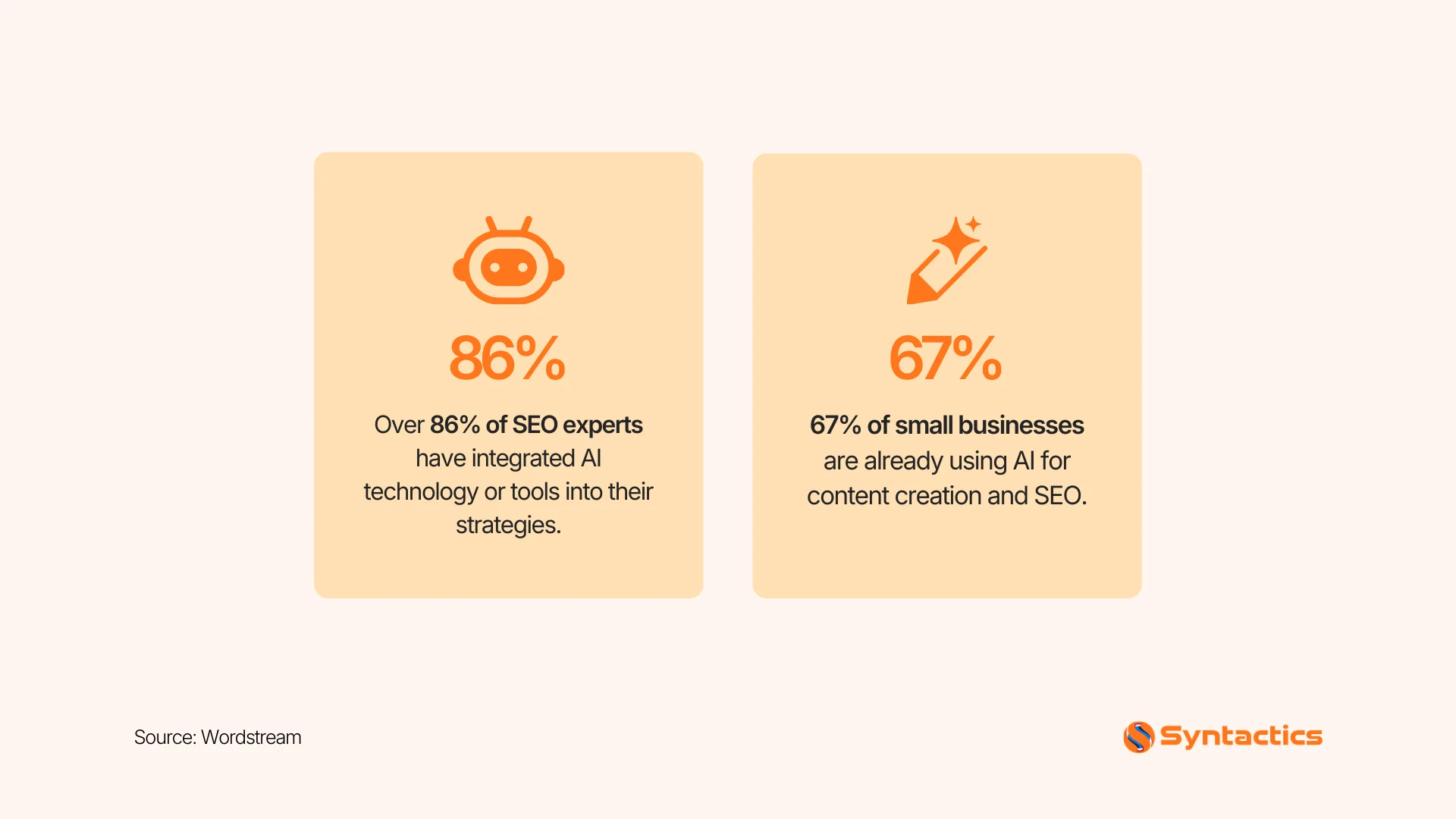
Source: Wordstream.
The Value of SEO Copywriting
Content quality carries the most weight among Google’s on-page ranking signals. It sits alongside roughly 200 other ranking factors, and a strong backlink profile is one of the biggest among them. Long-form content tends to earn those backlinks more easily than short posts, since it gives other sites more to reference and link to.
Longer content has also become the standard for ranking well in search results. It gives writers more room to answer related questions and link to supporting resources. That said, length isn’t the whole story.
As AI-generated summaries and featured snippets pull answers straight from source content, writers benefit from structuring articles around passage ranking and featured snippets rather than length alone.
An SEO writing assistant helps writers apply both principles at once: enough depth to satisfy search intent, and enough structure to get pulled into snippets and AI answers.

SEO Writing Tools for Copywriting
Improving copywriting for SEO takes more than writing skill. It requires simultaneous attention to keyword placement, readability, originality, and structure. The tools below cover each of those components.
WordPress users can also install the RankMath plugin to handle on-page SEO checks directly in the editor.
Google Keyword Planner
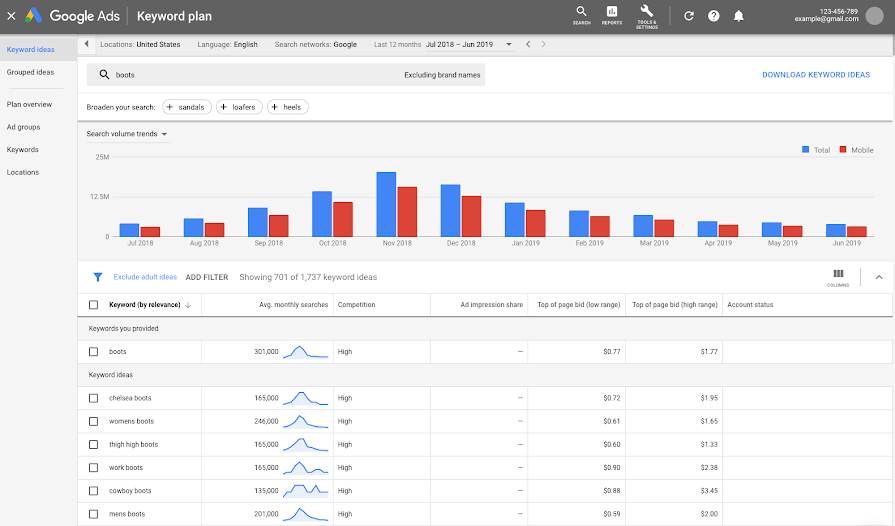
Source: Google Keyword Planner.
Keywords anchor SEO-friendly content. Content marketing writers need terms that are relevant, searched often, and not overly competitive. Reading keyword search intent alongside keyword volume helps writers match content to what searchers actually want.
Google Keyword Planner is the starting point for that research. It shows the average monthly search volume, competition level, and suggested bid ranges for each term, plus related keyword suggestions to broaden the pool of options. Strong keyword targeting gets content in front of the right audience and improves the odds of ranking on page one.
SEMrush Writing Assistant
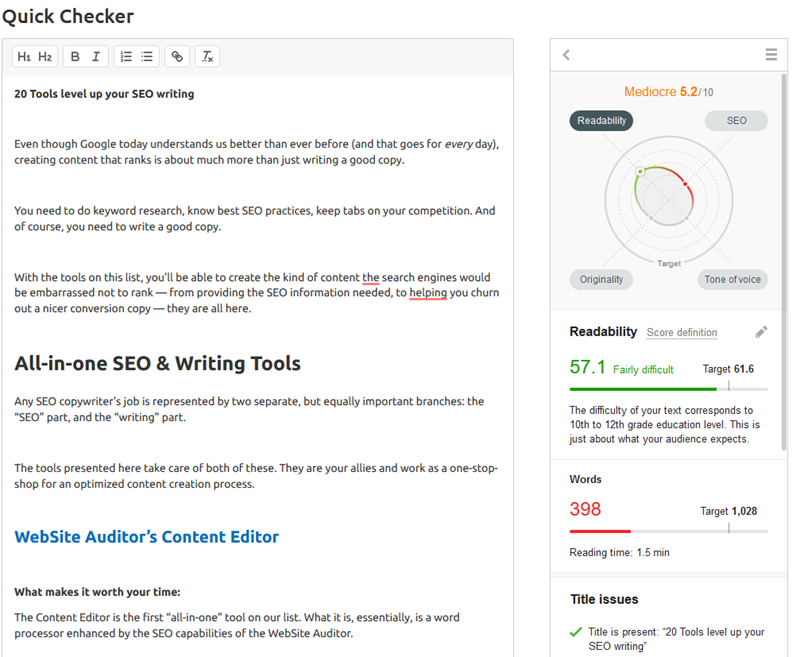
Source: Search Engine Journal.
Choosing the right keywords is one step. Working them naturally into the content is the next. SEMrush’s SEO Writing Assistant checks whether a draft hits its target keywords, flags potential plagiarism, and suggests related terms to strengthen topical coverage.
The tool also scores tone. It flags writing that reads too formal or too casual for the target audience and suggests where to trim long paragraphs so readers can move through the content without friction.
Grammarly
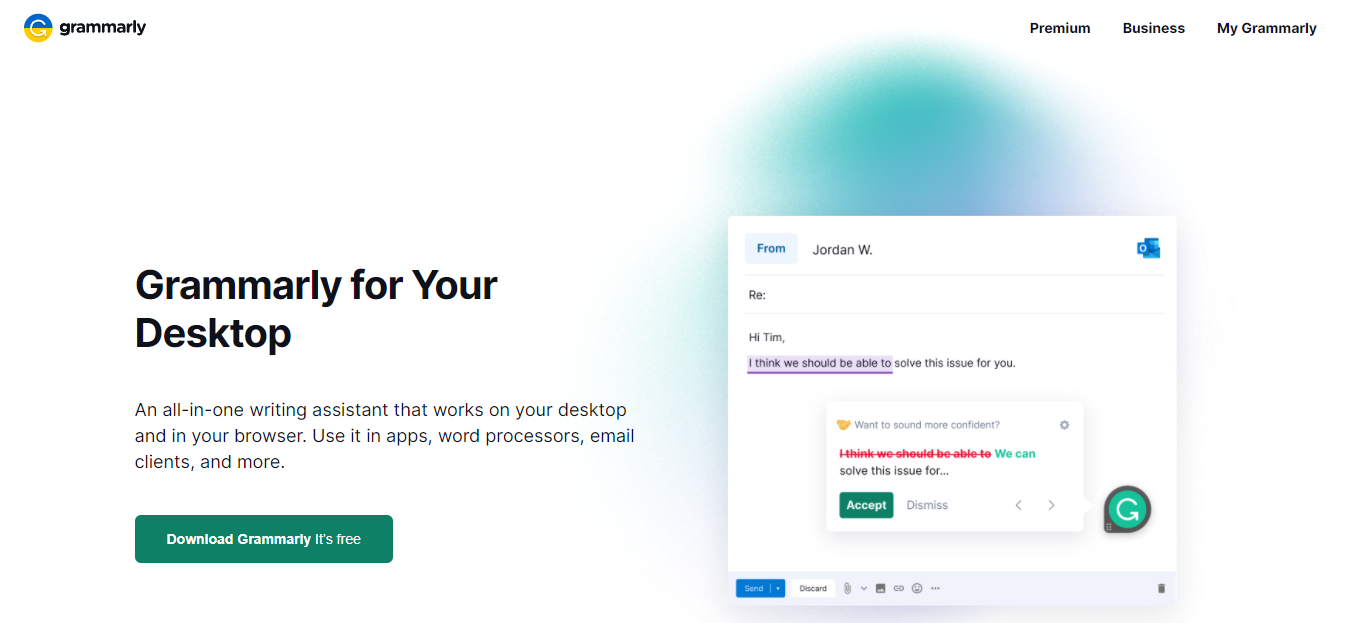
Source: Grammarly.
eyword placement and readability mean little if the writing is full of errors. Grammarly catches grammar and spelling mistakes, which protects reader trust; one careless typo can turn an engaged reader away.
Grammarly also reviews tone of voice and checks for originality, which helps writers avoid unintentional plagiarism. Its higher-tier plans add structural feedback for longer-form content, useful for teams polishing drafts toward a final version.
Grammarly has expanded well past grammar correction. Its AI Detector flags text likely generated by ChatGPT, Claude, or Gemini, useful for editors reviewing freelancer submissions or agency deliverables. Authorship tracks how a piece was produced (human-typed, AI-generated, AI-modified, or edited) and provides writers with a transparent record of their process.
The Humanizer rewrites AI-assisted drafts for clarity, tone, and flow so they read more naturally. Grammarly is explicit that this feature edits for readability rather than to defeat AI detectors, so treat it as a polish step, not a workaround.
Yoast SEO
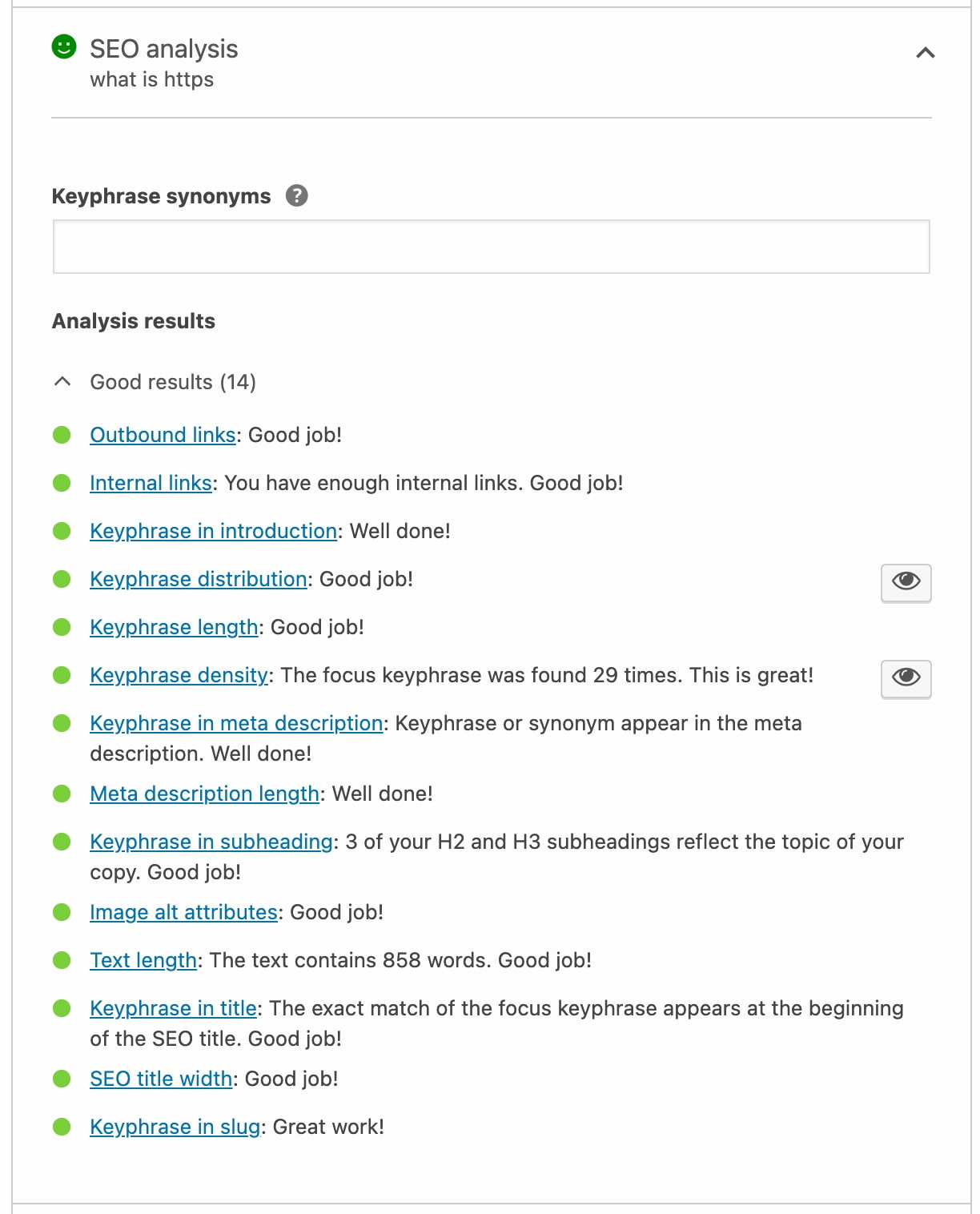
Source: Yoast SEO.
Writers working in WordPress likely already know Yoast SEO. It checks whether a piece of content is optimized for search engines and gives clear, color-coded feedback once you paste your draft into its fields.
Yoast tracks keyword density, internal and external links, meta description length, and title tag structure. It also scores readability and flags passive voice, both useful signals for AEO-friendly writing that search engines and AI answer engines can parse easily.
Surfer SEO
Source: Surfer SEO.
Surfer SEO analyzes top-ranking content for a target keyword and returns recommendations on structure, length, and supporting keywords to include. It extends beyond the article text, offering guidance on optimizing images, links, and video content on the same page.
Surfer works well for fast content checks. Teams doing deeper structural edits typically pair it with a dedicated writing assistant like SEMrush or Yoast.
AI Writing and SEO Assistants
ChatGPT, Claude, and Jasper now sit alongside traditional SEO plugins in most writers’ toolkits, drafting outlines and first passes that writers still fact-check and edit themselves. Surfer AI goes further, pairing Surfer’s ranking data with AI drafting for a first pass already structured around what’s ranking for a target keyword.
This shift also explains why AEO and GEO now belong on the standard SEO checklist. Direct answers, clear headings, and FAQ sections help surface content in AI Overviews and chatbot responses, not just in traditional search results.
One Look
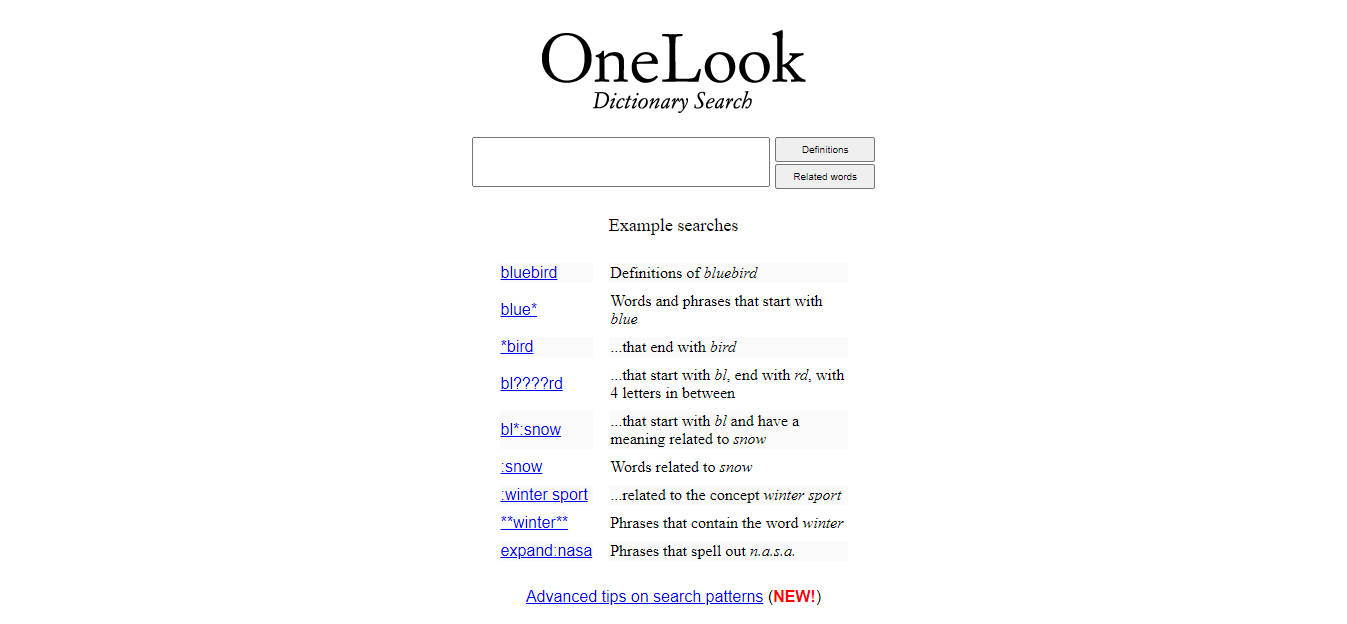
Source: One Look.
Keyword stuffing damages rankings, and writers covering a single topic repeatedly risk keyword cannibalization when multiple articles compete for the same terms. Varying phrasing across related pieces helps avoid both problems.
One Look supports that variation with a reverse dictionary. Type a description of a word you’re struggling to recall, and it returns matching terms, useful for finding a fresh way to phrase an overused concept.
WooRank
Source: WooRank.
SEO strategy covers more than individual articles: focus keyphrases, link building, a consistent publishing schedule, and ongoing progress tracking all need to work together. WooRank audits a site against those factors and returns a scored report with specific areas for improvement.
WooRank also checks whether a page’s SEO-optimized content includes strong target keywords, making it a useful companion to Google Keyword Planner during the research phase. Its reporting extends to social media presence and overall site reputation as well.
Additional SEO Writing Tools
- DemandJump. Automates keyword research and recommends the content types most likely to rank for a given topic.
- Keyword Density Checker. Measures how often target keywords appear across a piece of copy.
- WordCounter. Counts characters and words in a draft and flags basic grammar and style issues.
- Contenteum. An end-to-end WordPress content platform covering research, drafting, optimization, and publishing in one dashboard.
- Readable. Scores content readability and flags passages that need simplifying.
- Hemingway Editor. Highlights dense sentences and passive voice for a final readability pass.
- Linkody. Monitors backlink profiles and helps disavow spammy links.
- Pre Post SEO. A bundled toolkit covering plagiarism checks, paraphrasing, and other copy-prep tasks.
- Social Animal. Researches top-performing content by keyword and surfaces relevant influencers for outreach.
Use Tools to Boost Your Copywriting for SEO
Writing articles remains one of the most direct ways to grow content marketing efforts, alongside video and image content. Articles and blog posts give writers room to answer a searcher’s question thoroughly, which is exactly what search engines reward.
Search engine optimization gets that content in front of crawlers first. Once it proves its usefulness, it ranks, and ranking drives organic traffic back to the site. SEO writing tools refine that process at every stage, from keyword research to final readability pass.
For teams that want hands-on support, web content services can help you reach the #1 spot on your target result pages.

This article was updated on July 21, 2026.
Frequently Asked Questions
What is the best SEO writing tool for beginners?
Yoast SEO and Grammarly cover the fundamentals well. Yoast handles on-page optimization inside WordPress, and Grammarly catches grammar and tone issues, giving new writers a solid starting checklist without an overwhelming feature set.
Do SEO writing tools help with AI search visibility?
Yes. Tools like Yoast and Surfer SEO already score structural elements, headings, and readability that AI answer engines rely on to extract and cite content. Pairing them with clear FAQ sections and direct-answer openings strengthens visibility in both traditional search and AI-generated answers.
Can AI writing tools replace an SEO writing assistant?
No. AI tools like ChatGPT and Claude speed up drafting and idea generation, but they don’t check keyword density, backlink profiles, or plagiarism the way dedicated SEO tools do. Most content teams use both together: AI tools for drafting, SEO tools for optimization and quality control.
Do I need every tool on this list?
No. Start with one keyword research tool, one writing assistant, and one readability checker. Add specialized tools, such as backlink monitors or AI content platforms, once your content volume justifies the extra step.

About Axel May Rivera
Related News:



How to Fix Failed Custom Software Implementations

Hiring an SEO Consultant and Questions to Ask

Site Revamp & Migration Techniques To Boost SEO






Comment 0