

Using Google Trends in Marketing to Identify Real Demand
Marketing decisions become stronger when they reflect what people are actively searching for. Instead of relying on guesswork, businesses can analyze real search behavior to identify emerging interests, seasonal demand, and trending topics. Using Google Trends allows marketers to see how search interest changes over time and across different locations.
Search platforms also play a major role in content discovery. According to the Press Gazette, over two-thirds of search traffic now comes from Discover. This highlights how Google surfaces topics based on user interests. For businesses, understanding these patterns can help refine marketing strategies and align campaigns with real demand.
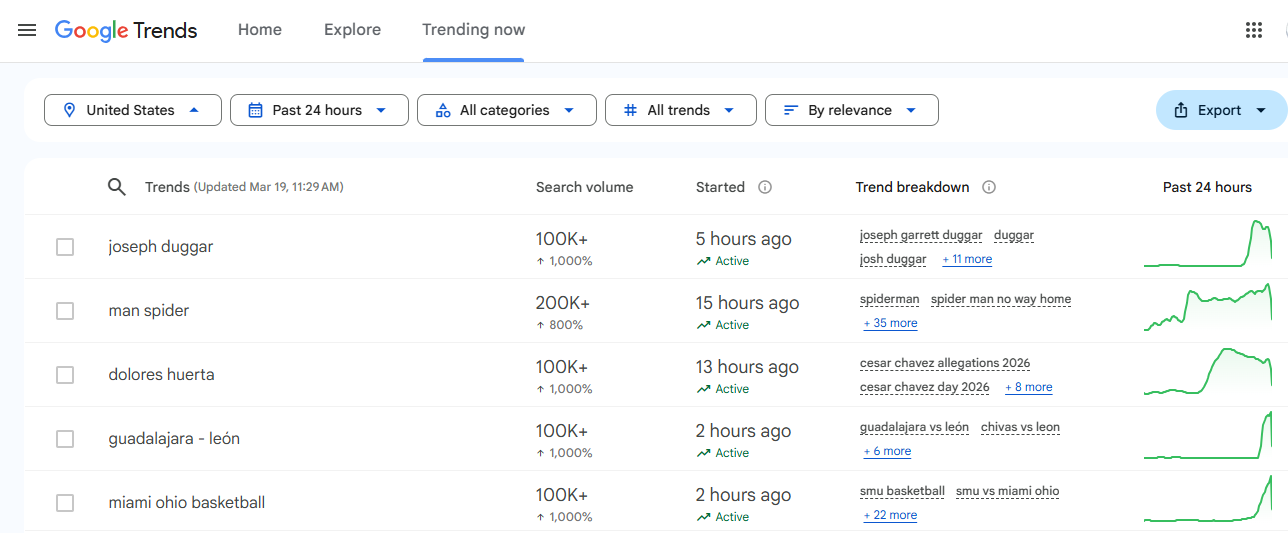
Source: Google Trends
What is Google Trends?
Google Trends is a free analytics tool that shows how search interest changes over time. By analyzing aggregated Google search data, it helps businesses understand what people are actively searching for across different locations and time periods.
When using Google Trends, marketers can compare keywords, identify rising topics, and observe seasonal patterns in search behavior. These insights allow businesses to spot emerging opportunities, validate content ideas, and adjust campaigns based on real user interest.
The platform also organizes search data across different categories, including Web Search, Image Search, News Search, Google Shopping, and YouTube Search. This makes it easier for marketers to explore trends across various content formats and platforms.
Since the data reflects actual search activity, Google Trends offers valuable context for planning SEO strategies, content marketing initiatives, and product promotions.
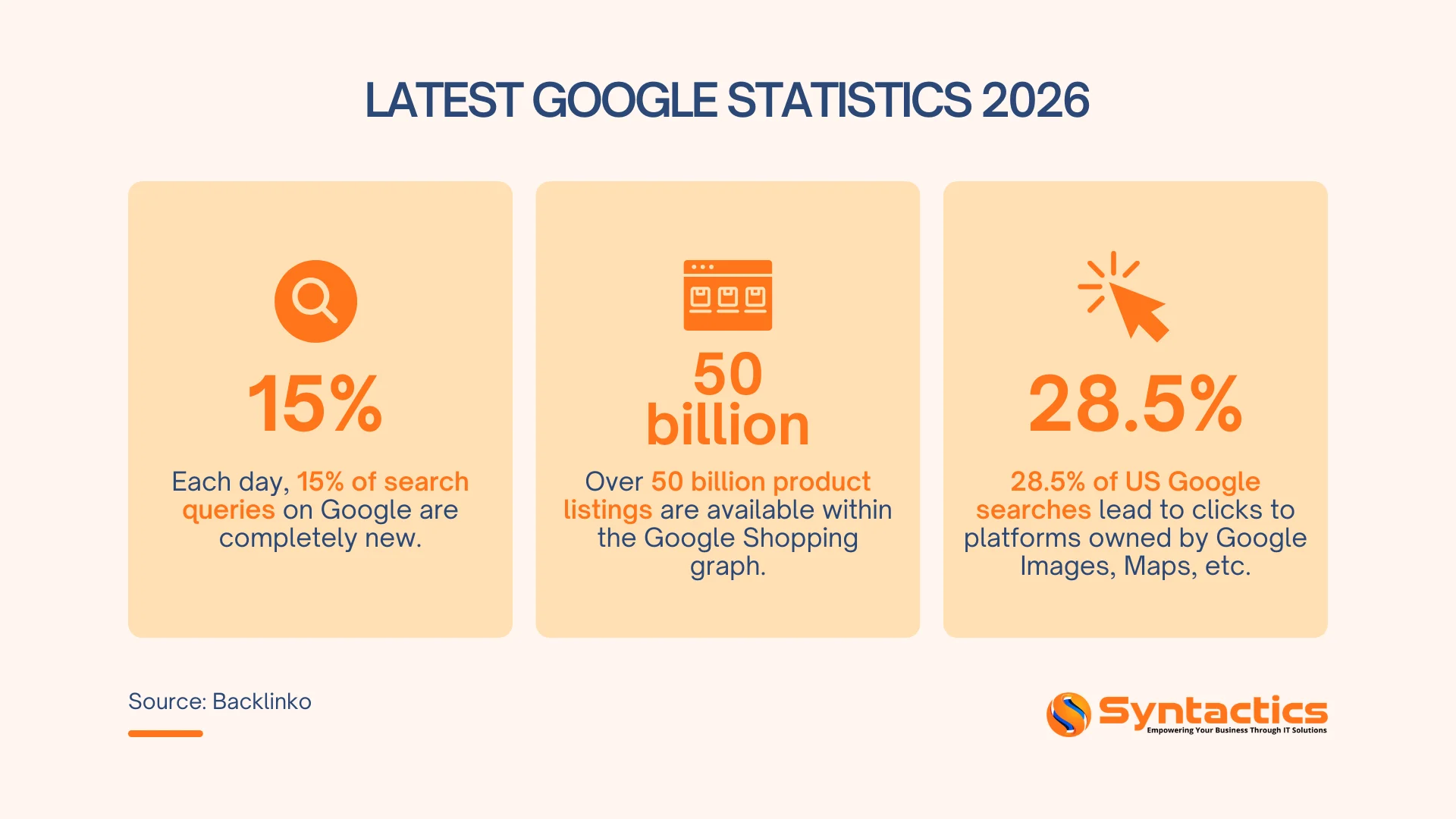
Source: Backlinko
Why Using Google Trends Matters for Marketing Strategy
Marketing decisions are stronger when guided by real search behavior. Using Google Trends lets businesses track rising topics, seasonal patterns, and geographic interest, helping marketers align campaigns, content, and product launches with actual demand rather than assumptions.
By revealing what audiences are actively searching for, Google Trends helps businesses spot emerging opportunities, plan campaigns ahead of peak interest, and refine local or global strategies. Combined with keyword research and content planning, these insights allow marketers to make data-driven decisions that keep their brand relevant and competitive.

5 Ways Businesses Use Google Trends in Marketing
When using Google Trends, marketers can do more than track search popularity and they can turn data into actionable insights that guide strategy. From spotting emerging topics to refining campaigns, the tool helps businesses make informed decisions based on real audience behavior.
Here are five practical ways businesses are leveraging Google Trends to guide marketing decisions.
- Spot Emerging Topics: Track rising search queries to identify trends before they peak. Early insights help brands create timely content and campaigns that capture audience attention.
- Plan Seasonal Campaigns: Analyze recurring patterns to align product launches or promotions with peak interest periods, maximizing visibility and engagement.
- Validate Content Ideas: Compare keywords to determine which topics resonate most, guiding blog posts, videos, or social media content that drives traffic.
- Refine Geographic Targeting: Understand where search interest is strongest to tailor marketing campaigns for local or regional audiences.
- Benchmark Against Competitors: Compare your brand or product keywords with competitors to spot opportunities and gaps in your marketing strategy.
Understanding Trends and Related Queries
When using Google Trends, different patterns of search interest reveal valuable insights for marketers.
Sudden spikes indicate short-term attention, while gradual rises or accelerating trends suggest sustained interest. Recognizing these patterns helps businesses prioritize campaigns, content, and product launches that align with audience behavior.
The platform also provides “Related Topics” and “Related Queries”, showing what other terms or themes your audience is exploring. These insights uncover new content ideas, highlight emerging interests, and reveal opportunities to reach potential customers.
Combined with geographic data, marketers can tailor campaigns and target regions where demand is highest, ensuring strategies are both data-driven and audience-focused.
Maximizing Insights with Google Trends
Once marketers have identified trends, saving or exporting the data allows for analysis over time and supports campaign planning. By using Google Trends strategically, businesses can track search interest daily or weekly, explore geographic differences, and uncover seasonal or regional demand patterns.
The tool also helps refine content and keyword strategy. Marketers can identify high-interest search terms, validate product ideas, and discover emerging topics to create content or campaigns that resonate with target audiences.
These insights are particularly valuable for e-commerce, content marketing, and local market campaigns, allowing businesses to make data-driven decisions that reflect real customer behavior.
Considerations
While Google Trends provides valuable insights, there are a few factors to keep in mind. The data is relative rather than absolute, showing patterns of popularity instead of exact search volumes. It may not fully capture niche or highly specific searches, and trends can shift quickly, making regular monitoring important.
Insights from Trends should be combined with other analytics and market research to ensure marketing strategies are well-rounded and effective.
Final Takeaway
Using Google Trends in marketing helps businesses stay aligned with real customer interests. By analyzing search patterns, identifying emerging topics, and exploring related queries, marketers can make data-driven decisions, plan campaigns strategically, and create content that resonates with their audience.
Combined with location-specific insights and continuous monitoring, Google Trends supports businesses in responding to market shifts and maintaining a competitive edge.
For businesses looking to turn insights into action, partnering with a digital marketing company in the Philippines can accelerate results. By combining Google Trends data with proven strategies, we can plan campaigns, optimize content, and target the right audience to maximize ROI across digital channels.
Elevate Your Brand In the Digital Landscape!
- SEO: Boost your rankings and drive organic traffic.
- Content Marketing: Engage your audience with content that converts.
- Social Media Management: Build your brand and connect with the right people.
- Paid Ads: Maximize ROI with data-driven advertising campaigns.

This article was updated on March 19, 2025.
Frequently Asked Questions
What is Google Trends and how can businesses use it?
Google Trends is a free analytics tool that shows how search interest changes over time. Businesses can use it to identify emerging topics, analyze seasonal demand, compare keywords, and refine campaigns based on real audience behavior.
Why is using Google Trends important for marketing strategy?
It helps marketers make data-driven decisions by revealing what audiences are actively searching for, identifying trends before they peak, and aligning campaigns and content with actual demand.
How often should I check Google Trends?
For active campaigns or content planning, checking trends weekly or monthly is recommended. Daily monitoring is useful for highly time-sensitive topics or seasonal spikes. Contact us for more strategic digital marketing solutions.






Comment 0