


SEO for Fashion eCommerce: How Brands Win More Online Sales
In today’s highly competitive online retail landscape, visibility has a direct impact on revenue. SEO for fashion eCommerce helps brands strengthen their digital presence, attract high-intent shoppers, and compete in a crowded market.
With fashion ranking among the largest B2C eCommerce segments, a well-executed SEO strategy becomes a growth lever, not just a marketing add-on. To compete effectively, you need a focused approach.
This guide builds on proven ecommerce SEO tips to help fashion brands drive qualified traffic, boost visibility, and convert browsers into buyers. Strategies such as optimizing site structure and creating content that matches search intent are designed to support sustainable sales growth through organic search.
Why is SEO so Crucial for Fashion Brands?
Fashion leads the Business-to-Consumer eCommerce market, and its growth shows no signs of slowing. According to Statista, the global fashion eCommerce market is projected to reach US$920.2 billion by 2025, making online visibility a competitive necessity rather than a nice-to-have.
In a saturated market, fashion brands that rank higher in search results gain a clear advantage. Organic search drives over half of website traffic, making SEO highly effective for attracting high-intent shoppers.
While SEO is not instant, it builds momentum over time. Investing in optimized content, strong backlinks, and a solid technical foundation establishes lasting visibility at a lower long-term cost than most paid channels, supporting sustainable growth.

Tips on SEO for Fashion Ecommerce
Research the Right Keywords for your Fashion eCommerce Stores.
Effective SEO starts with targeting the right keywords. Fashion brands risk losing leads and conversions if they compete for overly broad or highly competitive terms, especially against established players.
Long-tail keywords provide a practical alternative, enabling smaller or newer brands to establish authority while attracting more qualified traffic. Begin by researching keywords that are specific to your products, collections, and target audience.
Tools like Google Keyword Planner, Ahrefs, or SEMrush can guide your strategy, but professional SEO services for the fashion industry can also streamline the process.
After identifying keywords, integrate them naturally into your product pages, blog posts, and website content. The right strategy ensures your fashion eCommerce site reaches shoppers actively searching for your products.
Make Your Fashion Website User-Friendly
A user-friendly website boosts both conversions and search rankings. Google rewards seamless experiences that keep visitors engaged. Key elements include:
- Fast page load speed
- Intuitive product navigation
- Clear and compelling CTAs
- Readable fonts and styles
- Streamlined checkout process
Whether you build your site through Google My Business or hire a web developer, prioritizing usability ensures shoppers can easily explore products and complete purchases—while signaling quality to search engines.
Add Valuable Content to Your Fashion eCommerce Website
Content is a powerful driver of organic traffic and engagement. According to Backlinko, around 7.5 million blogs are published daily, making quality and relevance essential to stand out.
Start a blog for your fashion eCommerce site and optimize each post for SEO. Focus on topics your audience finds valuable, such as style guides, trend reports, or product highlights, and naturally link to related products.
Regular, informative content boosts rankings and keeps visitors longer, reducing bounce rates and increasing clicks. SEO professionals can help ensure that content maximizes search visibility and aligns with your brand.

Optimize Images to Enhance User Experience
Fashion eCommerce is visual—high-quality images encourage exploration and purchases. Optimized images also improve page speed, benefiting both engagement and search rankings.
Keep file sizes manageable and consistent, and incorporate long-tail keywords in file names, captions, and alt tags to improve discoverability.
User experience is critical for retaining visitors, and while there are common web UX design challenges, each has practical solutions. Optimized visuals help your site look professional, load faster, and guide shoppers seamlessly through your product pages.
Create Compelling CTAs on Product Pages
Product pages are key to both sales and SEO. Well-crafted descriptions effectively showcase items and incorporate target keywords, enabling shoppers to discover your products online.
Use clear calls-to-action within descriptions or as buttons, placed strategically to guide shoppers from interest to purchase. Effective CTAs encourage conversions and ensure your site drives both traffic and sales.
Ensure Easy Navigation for Seamless Browsing
Visitors should easily find products via search and within your site. Clear navigation and simple structure help users and Google crawl your pages.
Add search filters for quick product location and organize blog content logically to maintain flow. Simplified navigation reduces bounce rates, enhances the user experience, and improves search rankings.
Prioritize Mobile-Friendliness Across Your Site
Mobile now dominates fashion eCommerce. Optin Monster even states that 57% of purchases are made on mobile, making optimization essential for both usability and search visibility.
Google now uses mobile-first indexing, meaning it primarily crawls and ranks the mobile version of your site. A responsive, fast-loading mobile experience can reduce bounce rates and improve rankings while meeting shopper expectations.
To optimize your mobile experience:
- Ensure fast loading speeds (aim for under 3 seconds)
- Keep navigation intuitive and thumb-friendly
- Offer searchable menus and clear paths to purchase
- Minimize intrusive pop‑ups
- Use prominent call‑to‑action buttons.
A smooth mobile experience boosts engagement and supports both conversions and SEO performance for your fashion eCommerce brand.
Use Social Media to Amplify SEO Results
Social media expands your reach and supports your SEO efforts by driving qualified traffic to your fashion eCommerce site. When posts include relevant keywords, links, and optimized captions, they reinforce brand visibility and content discovery.
Instagram and Pinterest are especially effective for fashion brands to showcase products and drive users to collections or product pages. While social signals aren’t direct ranking factors, consistent traffic and engagement build overall site performance and authority.
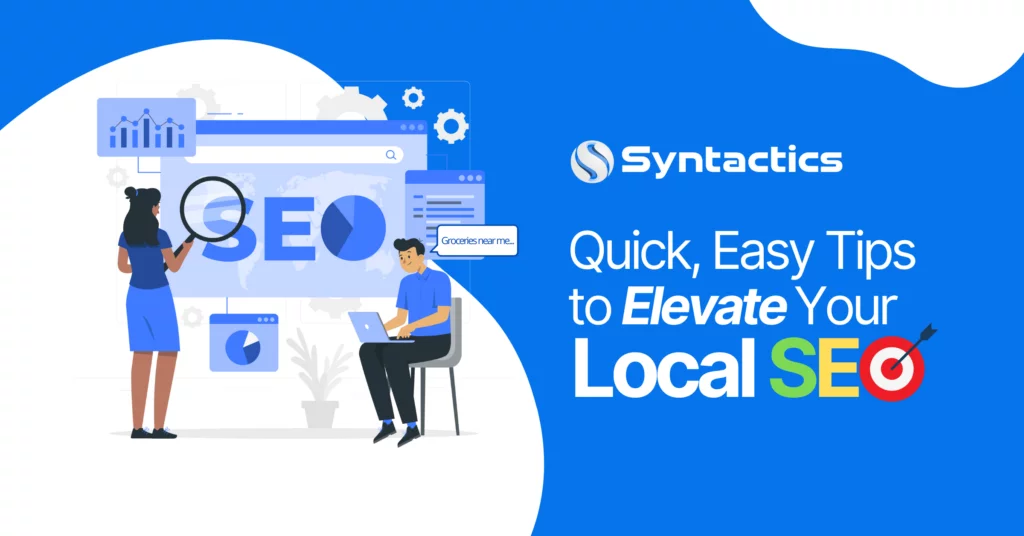 Strengthen Visibility with Local SEO
While global SEO provides a broad reach, local SEO enables brands to capture nearby shoppers and support omnichannel growth. Location-based searches often indicate high purchase intent, making local optimization a valuable complement to a broader strategy.
Focus on location-specific keywords and ensure your Google Business Profile is fully optimized for local search. Accurate business details, keyword-rich descriptions, high-quality images, and customer reviews all improve visibility in local search results. For brands with physical stores or regional targeting, local SEO bridges online discovery and in-store or localized purchasing.
Conduct Regular SEO Audits
Ongoing optimization requires regular SEO audits. As your site grows, audits ensure new content and features help, not harm, performance, and allow early technical fixes.
- Focus on these key areas during each audit:
- Page speed, ideally loading in three seconds or less
- Seamless user experience (UX) across all pages
- Clean, well-structured site architecture
- Fully functional internal and external links
- Properly optimized images and videos
- Mobile responsiveness
Routine SEO audits maintain site health, improve rankings, and keep your strategy effective as you grow.
Apply SEO to Strengthen Your Fashion eCommerce Growth
Search engine optimization drives long-term visibility, brand authority, and sales for fashion eCommerce brands. An improved search appearance attracts high-intent shoppers and drives organic traffic growth.
Results compound over time—targeted keywords, optimized content, and solid structure help your audience find your brand, especially supported by ongoing blogs and trending content. Performance depends on a responsive, fast, user-friendly site.
Working with an experienced seo company in the Philippines helps align technical SEO, content strategy, and ongoing optimization for scalable, long-term growth.

This article was updated on December 26, 2025.
Frequently Asked Questions
How long does SEO take to show results for fashion brands?
Most fashion eCommerce sites experience measurable SEO improvements within three to six months, depending on the level of competition, site health, and content quality.
Why are long-tail keywords important for fashion eCommerce?
Long-tail keywords attract more qualified shoppers, face less competition, and improve conversion potential for specific products or collections.
Is mobile optimization necessary for fashion eCommerce SEO?
Absolutely. Google uses mobile-first indexing, and most fashion shoppers browse and purchase through mobile devices.

About Jalou Batilong
Related News:

How To Stay Afloat During A Pandemic
WordPress 6.8 Cecil is Here! Explore the Key Updates



UCD vs CCD: Choosing Where To Center Your Design






Comment 0